


Mavericks’ Front Office Changes and Current Challenges
Last Friday, just hours before the Mavericks faced the Lakers at Crypto.com Arena, key figures from Dallas’s basketball operations, Michael Finley and Matt Riccardi, were seated courtside. For the past nine months, they worked closely with Nico Harrison, the former general manager, trying to manage the fallout from a February trade that ended Luka Dončić’s tenure in Dallas. With Harrison’s exit, Finley and Riccardi have stepped up as interim co-general managers, tasked with deciding the future direction of the team.
Current Team Performance and Future Aspirations
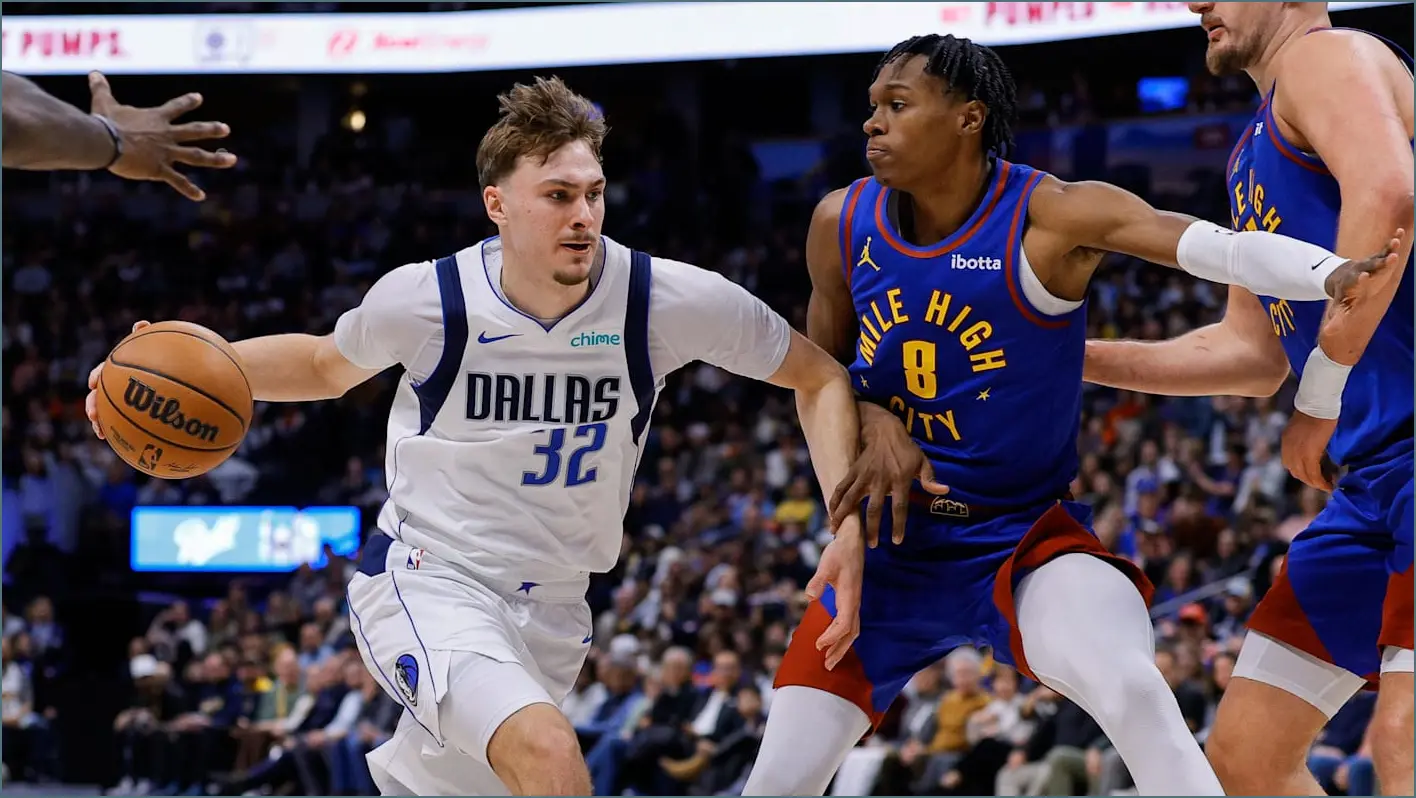
Mavs officials are optimistic, claiming, “We believe we can recover.” Currently sitting at a 7–15 record following a recent victory over Denver, the team isn’t performing at the level of struggling squads like Washington and Sacramento. With a league-high 17 “clutch” games played—decided by five points or fewer—the Mavericks have emerged victorious in six, indicating they might be on the verge of improvement, as coach Jason Kidd believes that these close contests will enhance team performance moving forward.
Injuries and Roster Issues
A healthy roster could also change their fate. While Harrison’s decision to trade Dončić remains unjustifiable, the limited time the desired roster has spent together is evident. Injuries have plagued the Mavericks, with Kyrie Irving sidelined for the entire season and several other players, including Anthony Davis, currently nursing injuries. The situation worsened when P.J. Washington sustained an ankle injury during warmups.
Offensive Struggles and Future Prospects
The Mavericks’ prognosis took a hit when Davis was lost to injury early in the season. The experiment with point guard Cooper Flagg didn’t yield the desired results, forcing Kidd to explore various backup options. This has contributed to an offense that struggles significantly, ranking below average in the league. However, Davis’s recent return has sparked hope, providing Dallas with much-needed offensive support, especially in crucial games.
Importance of Supporting Roster Development
Davis’s presence certainly helps the Mavericks, but a return of Irving is essential for improving their lackluster half-court offense. Dallas’s struggles are evident, with a subpar performance rating; however, acquiring a player of Irving’s caliber could significantly elevate their play. The potential for a competitive playoff push hinges on whether both Davis and Irving can stay healthy and perform effectively.
Future Decisions for a Restructured Management
With new leadership, the Mavericks are weighing their options, aiming to assess their long-term strategy. There is conversation around shedding some older players while also considering the potential of rising stars like Flagg and Davis’s uncertain future with the team. Teams interested in Davis may emerge, but whether the Mavs should pursue a quick fix for this season or plan for a brighter future remains a looming question.
Conclusion: Balancing Short-Term Gains and Long-Term Vision
The Mavericks’ new decision-makers must navigate a tricky landscape. Davis’s return fosters hope, while Irving’s involvement could be pivotal. Winning might not be out of reach, but Dallas’s approach could ultimately hinge on whether they prioritize making a playoff run now or the opportunity for a high draft pick in what promises to be a deep class next year.
