


Muhammad Ali American Boxing Revival Act Progresses in Congress
The Muhammad Ali American Boxing Revival Act aims to introduce UFC-like promotional strategies to boxing, and the proposed legislation is currently advancing through Congress.
On Thursday, the Workforce Protections Subcommittee hosted a hearing titled “In Their Corner: Creating More Opportunities for American Boxers,” featuring various witnesses discussing the potential impacts of the Ali Revival Act. Key figures such as UFC Senior Executive Vice President Lawrence Epstein, California State Athletic Commission Executive Director Andy Foster, and attorney Pat English, who helped create the original Muhammad Ali Act, provided their insights and responded to questions from committee members.
Opportunities for Boxers
Proponents of the bill emphasize its potential to enhance opportunities for boxers through the establishment of Unified Boxing Organizations (UBOs), which would adopt the UFC’s promotional tactics, including internal rankings, championship titles, and exclusive contracts. An important aspect of the discussion is that the Ali Revival Act would complement existing laws without disrupting the current operational framework.
Concerns About Revenue Sharing
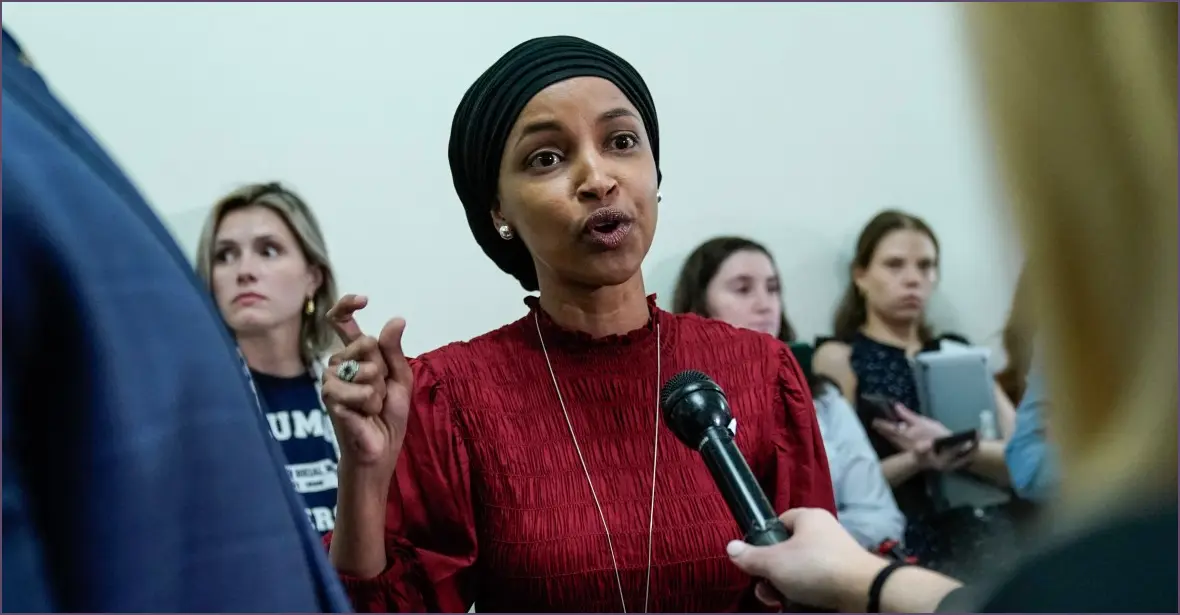
During the hearing, Congresswoman Ilhan Omar from Minnesota questioned Epstein about anticipated revenue shares for boxers under the proposed UBO model. She referred to antitrust lawsuits against UFC, which revealed that the payment share for fighters was significantly lower compared to other major sports leagues.
Funding and Revenue Assurances
Zuffa Boxing, backed entirely by Saudi Arabia’s General Entertainment Authority, is scheduled to launch in 2026 after securing a broadcasting deal with Paramount. However, since no events have taken place yet, Epstein hesitated to specify any revenue percentages for fighters at this time.
Addressing Trust Issues
Omar pressed Epstein, noting ongoing UFC litigation related to wage suppression and potential evidence withholding, expressing skepticism about how fighters could trust that they would receive fair compensation in this new framework. Epstein responded by clarifying that the new legislation would not eliminate protections from the prior Ali Act, instead providing boxers with additional options.
Competitive Matchmaking
Foster also spoke at the hearing, highlighting that the current boxing landscape suffers from promoters focused on building their own fighters, often resulting in mismatches. He believes the UBO system would encourage better and more competitive matchmaking, benefitting the sport as a whole.
Future of the Bill
At the conclusion of the hearing, Omar recognized some advantages of the Ali Revival Act but felt that further work was needed before it could be enacted. She urged her colleagues to consult with those directly impacted by the reforms to ensure comprehensive and informed policy decisions that genuinely support athletes and small businesses in sports.
