


The Architectural Legacy of Frank Gehry
Frank Gehry made a memorable cameo in The Simpsons, humorously portraying his method of designing buildings by crumpling paper. From Prague to Panama City, his distinctive, scrunched styles became iconic—manifested in buildings that appeared to shift and sway, as though struck by a wrecking ball or twirling like dervishes, seemingly defying gravity. Gehry, who passed away at 96, thrived in the modernist era but famously avoided straight lines in his designs.
During his prime, Gehry’s work acted as a counterpoint to modernist figures like Mies van der Rohe, who famously claimed that “less is more.” In contrast, postmodern theorist Robert Venturi proclaimed, “less is a bore,” perfectly encapsulating Gehry’s maximalist approach.
As the millennium approached, Gehry revolutionized architecture with his 1997 design for the Guggenheim museum in Bilbao, Spain. In a city grappling with post-industrial decline, the museum’s stunning complexity was enveloped in 33,000 shimmering titanium sheets, resembling glistening fish scales. This space was not just a neutral backdrop, but a dynamic environment for the art it housed.
Situated prominently along the River Nervión, the Guggenheim quickly became an icon, establishing Gehry as a “starchitect” despite his disdain for the term. It successfully transformed Bilbao, drawing 1.3 million visitors in its first year and giving rise to the “Bilbao effect” that showcased the potential of “iconic” architecture to invigorate civic life.
Gehry continued to impress with the Walt Disney Concert Hall in Los Angeles, completed in 2003, which features stainless steel forms reminiscent of billowing sails. Even while advocating for stone, the client preferred a design akin to Bilbao. The auditorium, lined with warm timber, felt intimate and organic, encapsulating Gehry’s long relationship with Los Angeles.
Throughout his career, Gehry utilized a meticulous process that involved handcrafting models, which were then digitized with aerospace software to achieve intricate curves. This merging of sculpture and architecture allowed for unprecedented creative expression. However, as his career progressed, Gehry became too focused on replicating his early successes, venturing into increasingly extravagant museum projects globally, like the delayed Guggenheim Abu Dhabi, which faced criticism for its ambiguous cultural vision.
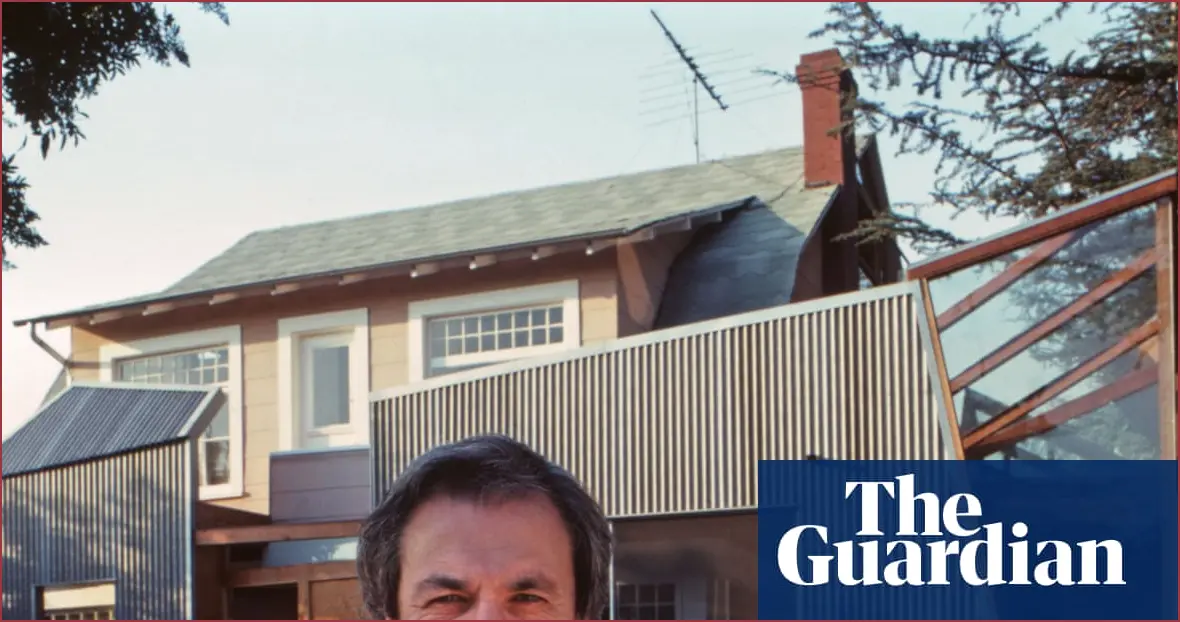
Though Gehry was involved in various high-profile projects later in his career, his early work, such as his Santa Monica home, depicted his innovative spirit. His adaptability showcased his desire to use everyday materials and highlighted the unique architectural character of Los Angeles. Gehry’s final projects, while clever, sometimes felt formulaic compared to his earlier groundbreaking designs, reflecting the evolving landscape of architecture.
