


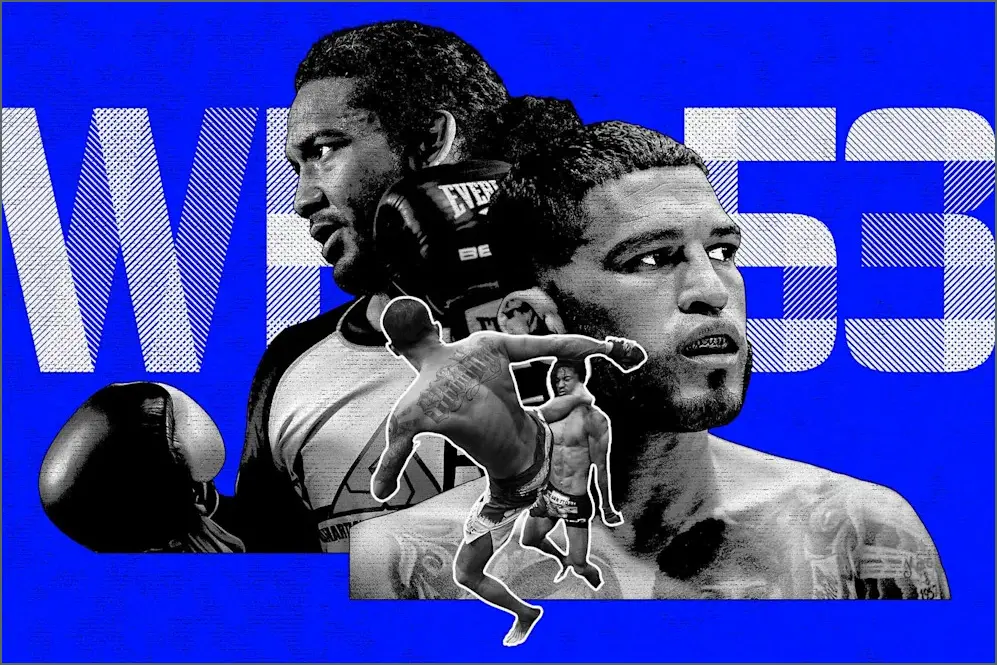
WEC’s Final Event: A Bittersweet Farewell
At the end of the night, one fighter would be left with nothing but sorrow, while another might question whether he had unintentionally harmed an opponent. For yet another, it would serve as a dark turning point in a long career, marking the moment he believed he had nothing more to give to professional fighting.
Fifteen years ago, on December 16, 2010, the World Extreme Cagefighting (WEC) hosted its last event—a poignant farewell in many respects.
Legacy of WEC 53
On one hand, WEC 53 would go down in history as one of the most memorable and widely viewed events, attracting over half a million viewers on the Versus Network. Among the fighters in the main event, three would eventually become UFC champions, and the headlining match produced an iconic MMA moment known as “The Showtime Kick,” which left a crowd of 6,300 in a state of awe and confusion.
Conversely, it marked the conclusion of a beloved promotion that had struggled for wider recognition beyond its passionate fanbase.
A Historical Journey
Founded in 2001 as a regional promotion in Northern California, WEC focused most of its early fights at the Tachi Palace near Fresno. In 2006, it was acquired by Zuffa, the UFC’s parent company, setting the stage for inevitable changes.
A significant shift was the establishment of the WEC as Zuffa’s exclusive platform for smaller fighters, adding bantamweight and featherweight classes to the existing lightweight division of the UFC. This initiative was a trial for Zuffa, skeptical about whether audiences would embrace these lighter fighters.
Pressure and Performance
During his tenure as WEC featherweight champion, Urijah Faber emerged as a star, while fighters like Jose Aldo, Dominick Cruz, and Donald “Cowboy” Cerrone later prospered in the UFC. Yet, by the end of 2010, Zuffa prepared for a consolidation that would absorb some of the WEC’s roster into the UFC, marking the closing chapter for the promotion.
The final event aimed to send WEC out with a bang, demonstrating both its legacy and a preview of what lay ahead.
Fan Involvement and Atmosphere
Among the memories, Benson Henderson recalled a fan poll influencing the event’s location. As Phoenix and Milwaukee emerged as contenders, Henderson, who had settled in Phoenix, saw immense support from locals eager to bring the fight to their city. On social media, friends and family bombarded him with voting updates until Phoenix emerged victorious.
Fighters’ Stakes
On that night, many fighters faced career-defining moments. Danny Downes, aware his fighting future was at stake, faced a daunting matchup with Zhang Tiequan, the undefeated fighter Zuffa hoped would aid its international outreach. In contrast, Jamie Varner battled his internal struggles and questioned his love for the sport, feeling detached and defeated during his bout.
An Emotional Goodbye
As the event concluded, the atmosphere shifted. While Pettis celebrated his stunning victory, Henderson privately grappled with his loss, feeling he had disappointed his supporters. The night left its mark on all involved, and as the WEC cage was dismantled, many realized the lasting impact of this farewell. The end of WEC was not just an organizational change; it was a poignant moment in MMA history that would be difficult to replicate.
