


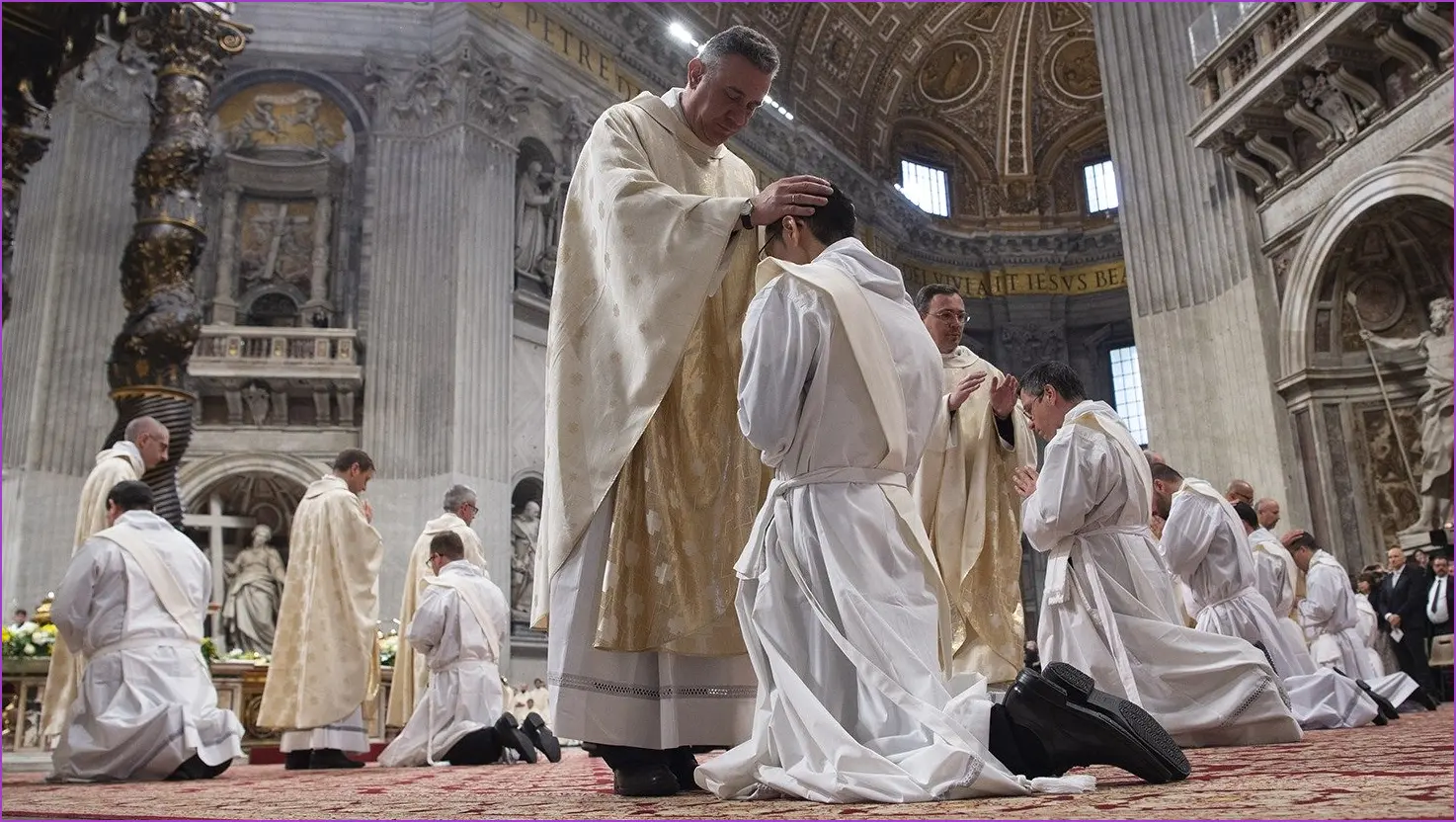
To commemorate the sixtieth anniversary of the Second Vatican Council’s decrees on priestly training and ministry, Pope Leo XIV has released a new Apostolic Letter aimed at deepening the understanding of priests’ roles and responsibilities.
By Antonella Palermo and Christopher Wells
In his Apostolic Letter Una fedeltà che genera future (“A fidelity that generates the future”), signed on the feast of the Immaculate Conception and published on December 22, Pope Leo XIV stresses several priorities for priestly life. These include dedication to humble service, ongoing dialogue with God and the community through continuous development, and fostering fraternity among priests and with the entire Church, all while embodying a missionary and synodal spirit that overcomes self-glorification.
The Apostolic Letter comes in recognition of the sixtieth anniversary of the conciliar decrees Optatam totius and Presbyterorum ordinis, which the Pope regards as significant milestones in the theological understanding of pastoral ministry and its preparation, retaining their timeless relevance.
Strengthening Priestly Formation
Pope Leo emphasizes that revitalizing the priestly ministry requires drawing upon the Holy Spirit, who inspires the pastoral calling as a gracious gift from God. He urges the Church to support ongoing formation initiatives for priests, referencing a conference that gathered over 800 participants from approximately 80 nations last February.
He notes that seminaries should serve as nurturing environments where candidates can focus on their inner life, asserting that only well-rounded and spiritually mature priests can authentically commit to celibacy and evangelize effectively. The Pope acknowledges the ongoing challenges the Church faces, particularly the crisis of trust stemming from clerical abuse, which underscores the need for comprehensive formation and personal growth in candidates for the priesthood.
Embracing Mutual Relationships
Pope Leo warns against the risks of self-referentiality, emphasizing that the priestly vocation is inherently relational. “No shepherd exists alone,” he asserts, highlighting that ministry is a communal endeavor that requires mutual care among priests. Despite progress in implementing the suggestions from Presbyterorum ordinis, he stresses that further action is needed, particularly regarding equitable support for priests in poorer parishes and providing care for aging or sick priests.
Addressing Loneliness and Community Life
The Pope identifies loneliness as a significant risk that undermines apostolic fervor among priests. He expresses hope for renewed efforts in local churches toward fostering community life among priests, which can help them grow spiritually and collaborate more effectively in ministry, safeguarding them against isolation.
Valuing the Diaconate and Lay Roles
Pope Leo acknowledges the vital role of the diaconate and emphasizes the importance of recognizing the contributions of lay people within a synodal framework. He encourages the Church to implement initiatives that enhance collaboration among priests, deacons, and the lay faithful, moving away from solely centralized leadership to a more collegial model that leverages the diverse gifts of the Holy Spirit.
Navigating Modern Challenges
In conclusion, the Pope highlights the joy of serving within the priestly vocation while cautioning against modern pitfalls such as excessive focus on efficiency and a lax attitude toward ministry. He insists that effective evangelization is not determined by the number of projects undertaken, but rather by fostering authentic relationships. Ultimately, the harmony between contemplation and action should center on the Paschal mystery, ensuring that prayer remains a fundamental aspect of the priestly life.
