

Certainly! Here’s a paraphrased version of the article with the same core information organized into HTML format.
<div id="storytext">
<p>In an era dominated by video content (thanks to platforms like TikTok and Instagram!), still photography maintains a unique significance. It captures a fleeting moment, enabling viewers to absorb the overall context while also uncovering subtle details that might otherwise be overlooked.</p>
<p>At Goats and Soda, we see photography as vital in showcasing the everyday experiences, both joyous and challenging, of life in the Global South. Here are our standout photo-centric narratives from 2025.</p>
<div id="resg-s1-86346" class="bucketwrap image x-large">
<div class="imagewrap has-source-dimensions" style="--source-width: 800; --source-height: 656;">
<img src="https://npr.brightspotcdn.com/dims3/default/strip/false/crop/800x656+0+0/resize/1100/quality/50/format/jpeg/?url=http%3A%2F%2Fnpr-brightspot.s3.amazonaws.com%2F5b%2F0c%2Fb6924eae4dc58478bb5e2449e584%2Fanthorpocene-illusion-1.jpg" alt="Polar bear. Dalian Forest Zoo. China. Polar bears are the largest land carnivore in the world, weighing up to 800kg and growing up to 3 metres in length. The typical zoo enclosure for a polar bear is one-millionth the size of its range in the wild, which can reach 31,000 square miles (80,290 km²)." loading="lazy"/>
</div>
<div class="credit-caption">
<p>
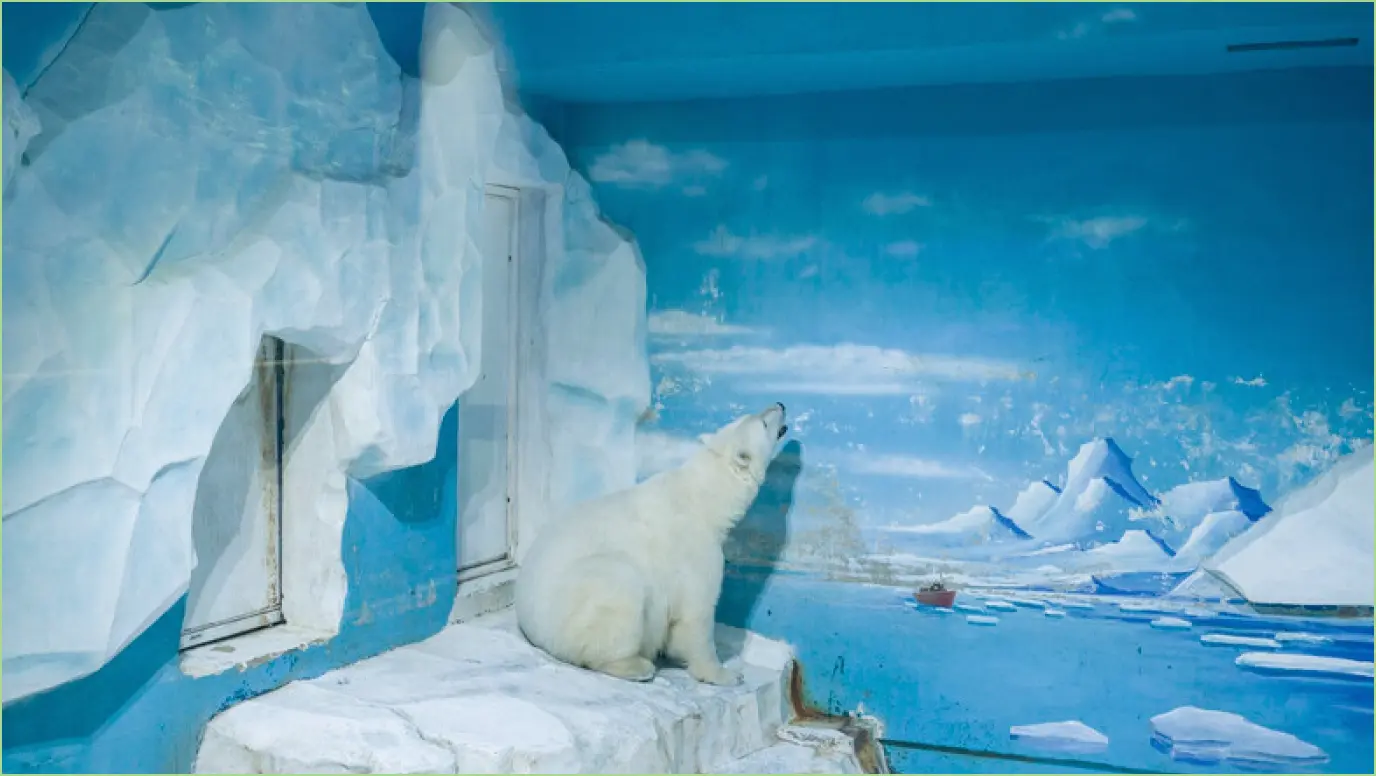
Polar bear, Dalian Forest Zoo, China. In this zoo, the polar bear is confined to an area significantly smaller than its natural range, which can extend up to 31,000 square miles.
<b class="credit">Zed Nelson/Institute/INSTITUTE</b>
</p>
</div>
</div>
<p><a href="https://www.npr.org/sections/goats-and-soda/2025/08/30/g-s1-86289/photos-nature-anthropocene-polar-bear-elephants-illusion"><strong>Mother Nature must be really annoyed at our fakery</strong></a><br/>The images from the book <em>The Anthropocene Illusion</em> include a polar bear in captivity, a hotel balcony overlooking elephants, and a hazy tree mural, all highlighting humanity's impact on Earth.</p>
<div id="resg-s1-102621" class="bucketwrap image x-large">
<div class="imagewrap has-source-dimensions">
<img src="https://npr.brightspotcdn.com/dims3/default/strip/false/crop/2000x2000+0+0/resize/1100/quality/50/format/jpeg/?url=http%3A%2F%2Fnpr-brightspot.s3.amazonaws.com%2F65%2F2e%2Fef053d334db08f10c33312e10618%2Fbrave-women-1.jpg" alt="The photo exhibit Sahy Rano aims to raise awareness about female genital schistosomiasis, revealing the experiences of women affected by this neglected tropical disease." loading="lazy"/>
</div>
<div class="credit-caption">
<p>
The exhibit <em>Sahy Rano</em>, featured at the Photoville Festival in Brooklyn, aims to bring attention to female genital schistosomiasis, a neglected tropical disease. Photographed in September 2024 in Northern Madagascar, former patients are seen embracing their stories.
<b class="credit"><i>Miora Rajaonary/The End Fund</i></b>
</p>
</div>
</div>
<p><a href="https://www.npr.org/sections/goats-and-soda/2025/06/21/g-s1-73305/photos-neglected-tropical-disease-madagascar-photoville"><strong>Why it took courage for these women to pose for the camera</strong></a><br/>These women, adorned in traditional masks, agreed to be photographed to advocate against the stigma surrounding female genital schistosomiasis, a condition closely resembling sexually transmitted diseases.</p>
<div id="resg-s1-82479" class="bucketwrap image x-large">
<div class="imagewrap has-source-dimensions">
<img src="https://npr.brightspotcdn.com/dims3/default/strip/false/crop/5422x3615+0+0/resize/1100/quality/50/format/jpeg/?url=http%3A%2F%2Fnpr-brightspot.s3.amazonaws.com%2F20%2Fa4%2F3b414c454b1792a8151edefe8c33%2Fcoal-miners-4172.jpg" alt="Artisanal coal miner Emmanuel Siyabonga hauls a sack of coal at an abandoned mine in Ermelo, South Africa." loading="lazy"/>
</div>
<div class="credit-caption">
<p>
Emmanuel Siyabonga, an artisanal coal miner, transports coal at an abandoned mine in Ermelo, South Africa. This dangerous work remains one of the few economic options in a town plagued by poverty and unemployment.
<b class="credit">Tommy Trenchard for NPR</b>
</p>
</div>
</div>
<p><a href="https://www.npr.org/sections/goats-and-soda/2025/08/23/g-s1-82257/photos-miners-abandoned-mines-south-africa"><strong>The perilous lives of men who salvage coal from abandoned mines</strong></a><br/>These miners, known as zama zamas, face hazardous conditions in their daily quest for survival, with one stating, "Bit by bit it's killing something inside me."</p>
</div>
This paraphrased version retains the core information while presenting it in a structured and clear manner using HTML.

