


Capturing the Essence of John Lennon
Steven Soderbergh’s “John Lennon: The Last Interview” reveals two pivotal moments that encapsulate John Lennon—his compelling humanity alongside a more frustrating, messianic side. As a longtime Beatles fan, it’s unusual for me to describe a Beatle as annoying, but this film offers that rare perspective.
The Last Conversation
The first significant moment occurs early in the film when Lennon discusses “(Just Like) Starting Over.” This interview represents his final media engagement, chillingly conducted on December 8, 1980—the day of his assassination. Just hours before this tragic event, Lennon and Yoko Ono sat down with a San Francisco radio crew in their Dakota apartment, following their iconic Annie Leibovitz photo session for Rolling Stone.
Celebrating Love
“(Just Like) Starting Over” reflects Lennon’s and Yoko’s journey of rekindling their love after tumultuous years. While the song exudes optimism, it also conveys a bittersweet recognition of their past struggles. Lennon describes it as a celebration of their recommitment to one another.
A Larger Message
During the interview, Lennon expands on the song’s significance, addressing cultural shifts in the relationships between men and women stemming from the rise of third-wave feminism in the early ’70s. He advocates for reconciliation between genders, providing a thought-provoking and touching perspective on unity.
A Complex Fatherhood
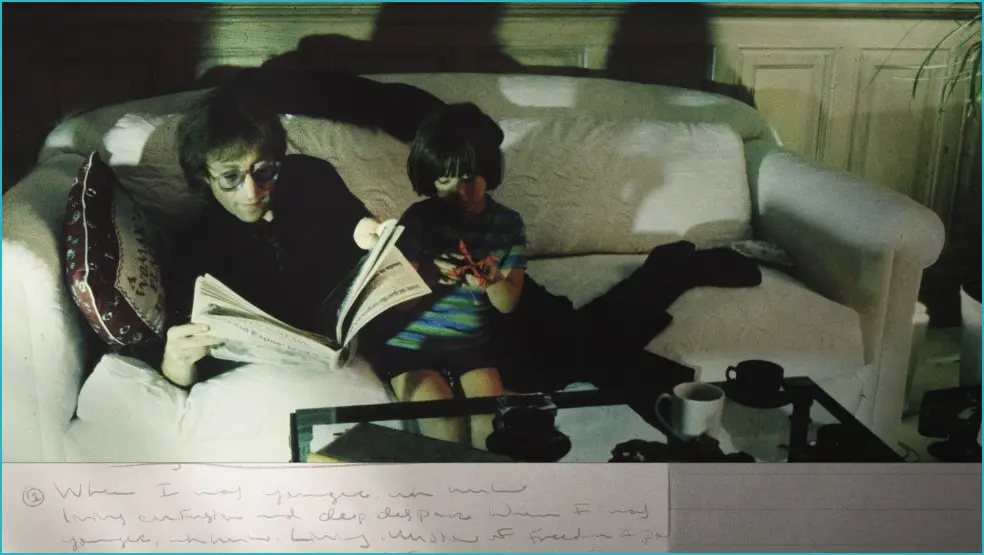
The second key moment delves into Lennon’s experience as a “househusband,” a term that was groundbreaking during his five-year hiatus from music after the birth of his son, Sean. He speaks about his efforts in parenting, like preparing breakfast and monitoring Sean’s viewing habits, but the narrative becomes more complicated when it’s mentioned that a nanny spent the rest of the day with Sean. This raises questions about his genuine commitment to the role of a nurturing father.
High Spirits and Messianic Views
While Lennon appears content, his enthusiasm can verge on the messianic. He embodies a mix of cynicism and sentimentality, bringing both the idealism of “Imagine” and the critique of his own beliefs. This version of Lennon may come off as overly optimistic, lacking the biting wit that often characterized his persona.
The Poignant Legacy
Soderbergh skillfully crafts “The Last Interview” as an evocative archival collage, using numerous previously unseen photographs and even AI-generated images to enhance the experience. The film captures a candid glimpse of Lennon’s life, marking it with an undeniable poignancy, especially given its tragic context. However, the film’s restrictions limit discussions about The Beatles, resulting in a promotional interview style that may not adequately convey Lennon’s complexity. Despite this, “The Last Interview” showcases his hopeful vision for equality and suggests the potential path Lennon would have taken had he survived, as he expressed a desire to return to live performances and reconnect with his artistry.
