



TEL AVIV, Israel (AP) — This week, Israel’s move to revoke licenses for over three dozen humanitarian organizations has left aid groups racing to understand the implications for their work in Gaza, where they support tens of thousands of struggling Palestinians.
The 37 affected groups include several high-profile organizations among the over 100 independent NGOs operating in Gaza, along with United Nations agencies. Notably, the banned organizations feature Doctors Without Borders, the Norwegian Refugee Council, and Oxfam.
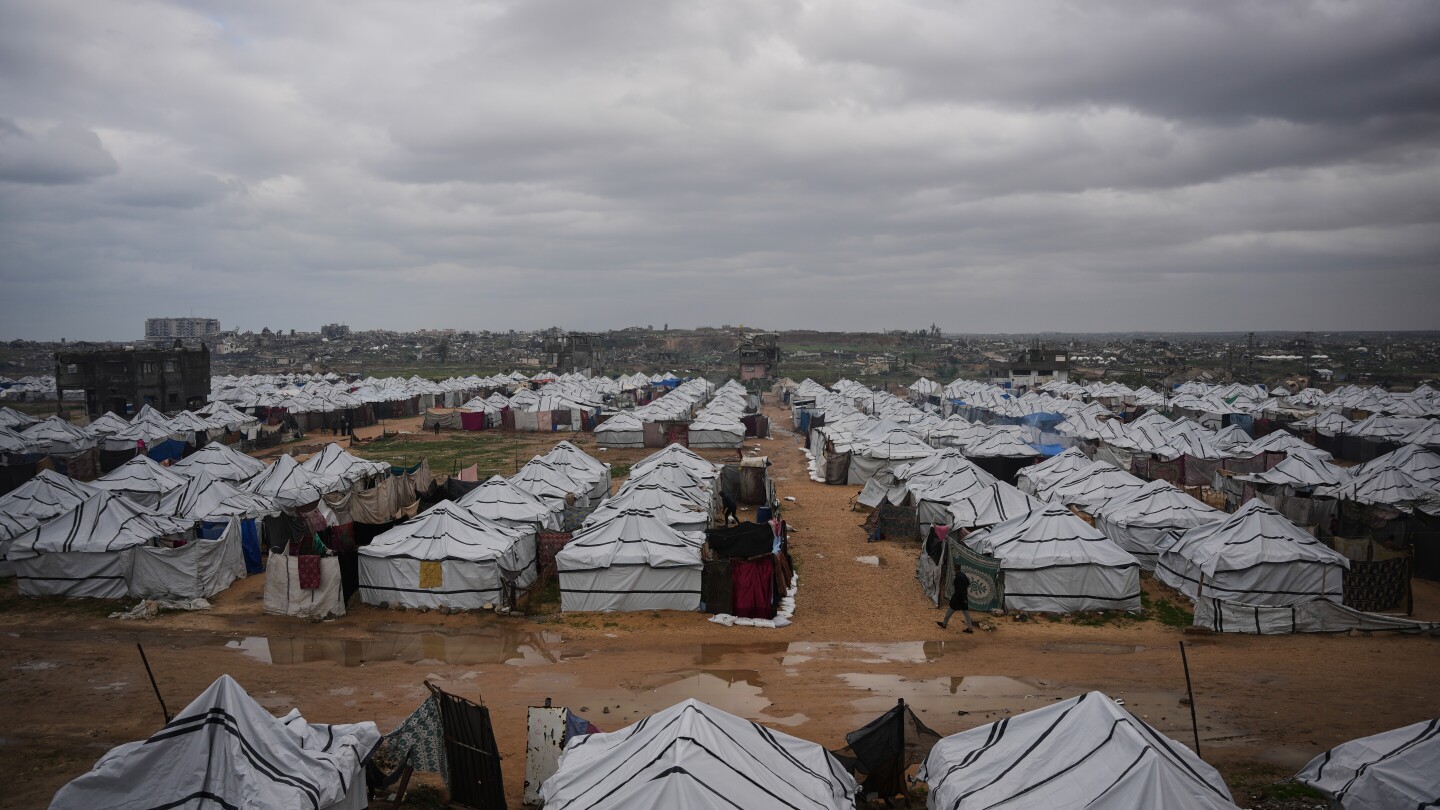
These groups provide essential services, including tents, water, and medical support. The overall impact of the ban is still uncertain, but it has immediately restricted Israel’s allowance of supplies entering Gaza and the movement of international staff; all operations must cease by March 1.
Impact on Aid Operations
Some organizations, like the Norwegian Refugee Council, have already been unable to bring in supplies for ten months, relying instead on aid sourced from other groups.
While Israel claims that the banned organizations represent only a fraction of aid efforts, officials from aid organizations assert that these groups play critical roles. A joint statement from the U.N. and major NGOs highlighted that the currently licensed organizations are insufficient to meet basic needs in Gaza, where over two million Palestinians are experiencing a humanitarian crisis more than 12 weeks after a ceasefire.
Reasons for License Revocation
Earlier this year, Israel implemented stringent registration requirements for NGOs operating in Gaza, demanding personal details about local and international staff. They stated that organizations could be banned for various criticisms of Israel. This registration process is managed by the Ministry for Diaspora Affairs and Combating Antisemitism, led by a far-right member of the ruling Likud party.
Israel claims these requirements are intended to prevent infiltration by Hamas and other militants, but U.N. and independent organizations have disputed these allegations. Many NGOs are hesitant to comply, fearing that sharing staff information could jeopardize their safety in a region where over 500 aid workers have been killed during the conflict.
As aid groups adjust to these changes, the immediate consequences include a potential halt to sending international staff into Gaza, which is crucial for providing technical expertise and moral support for local teams. Additionally, logistics have been disrupted, making it challenging for organizations to acquire necessary supplies efficiently.
