



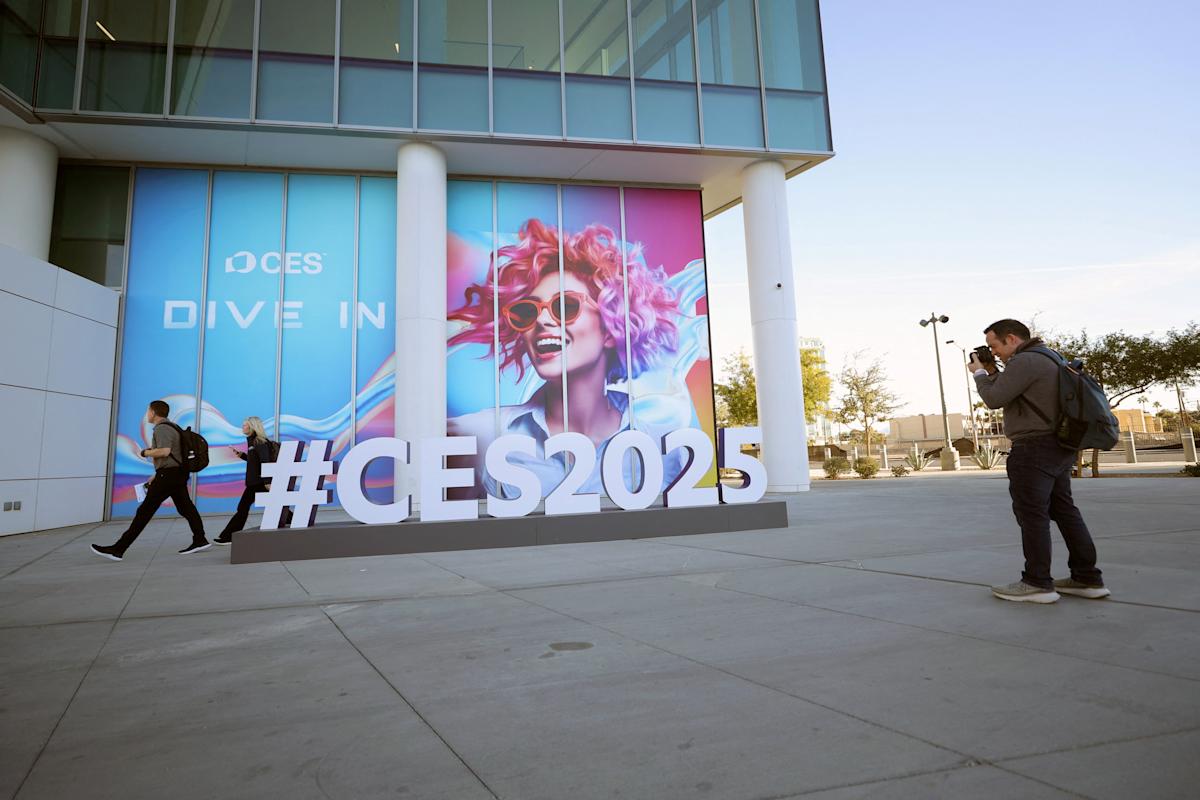
As CES 2026 is about to kick off next week, attention is naturally on the innovative products set to be unveiled. Before we dive into this year’s exciting announcements, we should take a moment to reflect on our top picks from last year to see their current status. After all, CES is often associated with products that never make it to market. Fortunately, the Engadget team has a solid ability to identify what’s real. Most of the products we recognized at CES 2025 that haven’t yet launched are expected to do so this year. For the few that remain elusive, we’ll be searching for them at CES.
ASUS Zenbook A14
When we first encountered the ASUS Zenbook A14 at CES 2025, we were struck by its lightweight yet robust design, outstanding OLED display, and a great array of ports. However, after more extensive use, some of its weaknesses emerged. In his review, Engadget’s Devindra Hardawar rated it at 78, criticizing its subpar performance and high price. Ultimately, it didn’t live up to the expectations of being a true Windows alternative to the MacBook Air.
BioLite Backup
At CES 2025, BioLite was taking pre-orders for its home backup power system. Though the BioLite Backup did not release in 2025, consumers can currently reserve one for $100 via the company’s website, with final pricing anticipated to start at around $2,000. BioLite has announced that shipping will commence this year.
Jackery Solar Roof
Previously established in the residential solar market, Jackery made a strong impression at CES 2025 with its curved solar shingles that resemble standard roof tiles while promising over 25% cell conversion efficiency. Although its launch was delayed, Jackery expects to release the shingles in the US soon, with prices likely between $1,100 and $1,300 per square meter, depending on design choices. Engadget also received hints about new announcements for CES 2026, including updates on their Solar Mars Robot.
Lenovo Legion Go S
The Legion Go S by Lenovo was unveiled with plans for two versions: one featuring Windows 11 and the other using Valve’s SteamOS. Sadly, the Windows version hit the market first (just after CES) and was mediocre. However, the anticipation for the SteamOS version paid off; Engadget’s Sam Rutherford found it notably fast and user-friendly when he reviewed it during summer.
