



New Species Discovered in 2025
Among the recently identified species in 2025 are a zombie fungus that emerges from a trapdoor and a flame-like shrub named after Calcifer, the fire demon from Studio Ghibli’s “Howl’s Moving Castle.”
A Diverse Selection of Flora
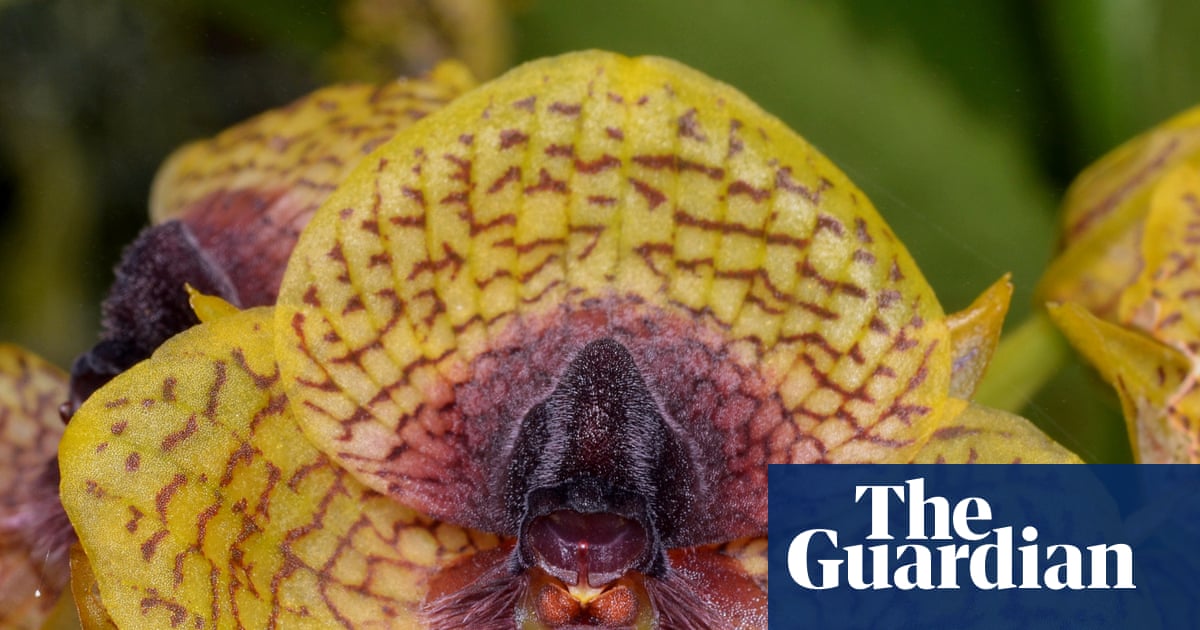
The Royal Botanic Gardens (RBG), Kew, along with their international partners, compiled a list of 10 “weird and wonderful” new species. They named 125 new plant species last year, which includes an orchid with bloodstained flowers that attract certain flies, and a striking snowdrop that had been unnoticed in UK gardens.
Unique Additions
Other fascinating finds include a fruit-growing plant from Papua New Guinea that tastes like a blend of banana and guava, as well as a graceful Christmas palm native to the Philippines.
Global Biodiversity Concerns
Scientists estimate there are approximately 100,000 unknown plant species and 2-3 million fungi species worldwide. On average, around 2,500 new plants are named annually. However, many undiscovered species face threats due to human activity, with up to three-quarters of them already at risk of extinction due to habitat destruction, pollution, and climate change.
Importance of Taxonomy and Conservation
“Human activities are rapidly eroding nature, jeopardizing our ability to keep up with extinction rates,” remarked Dr. Martin Cheek from RBG Kew. “Identifying new species is crucial, as it’s challenging to protect what is unknown.” He emphasized the necessity of investing in taxonomy and conservation efforts to maintain the ecosystems that support life on Earth.
Intriguing Find: The Zombie Fungus
The newly identified zombie fungus, Purpureocillium atlanticum, is found in Brazil’s Atlantic rainforest. It infects trapdoor spiders that Conceal themselves in burrows, encapsulating them in mycelium and eventually sprouting from their remains to release spores.
Remarkable Flora from South America
Named after the fire demon, the new 3-meter shrub, Aphelandra calciferi, showcases bright orange-red flowers. An orchid found in Ecuador, which mimics flies to attract pollinators, faces extinction due to habitat loss from mining and agriculture. Meanwhile, a newly identified snowdrop species, initially miscategorized, has connections to the grasslands of Mount Korab and is critically endangered due to its small population and horticultural collecting.
