



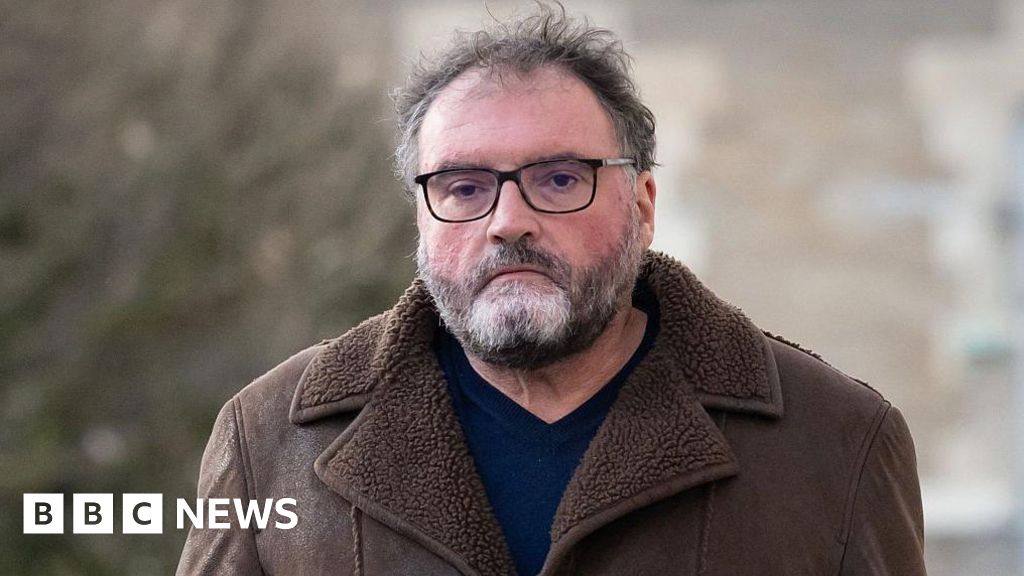
Former Anaesthetist Sentenced for Patient Poisoning
A former anaesthetist has been sentenced to life in prison for deliberately poisoning 30 patients, 12 of whom died. Frédéric Péchier, aged 53, was found guilty on Friday after a four-month trial in Besançon, eastern France.
This case is one of the largest medical malpractice incidents in France’s history, as Péchier was discovered to have injected chemicals such as potassium chloride and adrenaline into patients’ infusion bags. His youngest victim was a four-year-old child who survived two cardiac arrests during a routine tonsillectomy in 2016, while the oldest was 89 years old.
Prosecutors branded Péchier “Doctor Death,” accusing him of turning a clinic into a “graveyard” and emphasizing the shame he brought to the medical profession. The chemicals he administered resulted in cardiac arrest or severe bleeding, requiring immediate emergency care, which he often provided, allowing him to appear as the patient’s rescuer.
In 12 instances, however, he was unable to intervene in time to save the patients. The prosecution suggested that Péchier’s motives were to tarnish the reputations of colleagues with whom he had grievances, as he usually was not the primary anaesthetist in these surgeries.
Investigations into Péchier began eight years ago when he was suspected of poisoning patients at two clinics from 2008 to 2017. The alarm was raised in 2017 after an excessive amount of potassium chloride was discovered in an infusion bag belonging to a woman who had a heart attack during back surgery. A pattern of “serious adverse events” was noted in the clinic, with the incidence of fatal heart attacks significantly higher than the national average.
Throughout the trial, Péchier occasionally acknowledged the possibility that some patients might have been poisoned, though he consistently denied any wrongdoing. He claimed to uphold the Hippocratic oath, asserting, “I am not a poisoner.” Now, he faces a minimum of 22 years in prison after having remained free during the trial.
As survivors expressed relief, one stated, “It’s the end of a nightmare.” Another remarked that they could enjoy a simpler Christmas now, highlighting the emotional aftermath of this devastating case.
