



2025’s Cinematic Landscape in India: A Return to Masculinity
For the Indian film industry, 2025 marked a return to traditional themes. Following a year when narratives led by women gained global recognition, 2025 saw Bollywood dominated by male-centric action thrillers that heavily focused on violence and machismo.
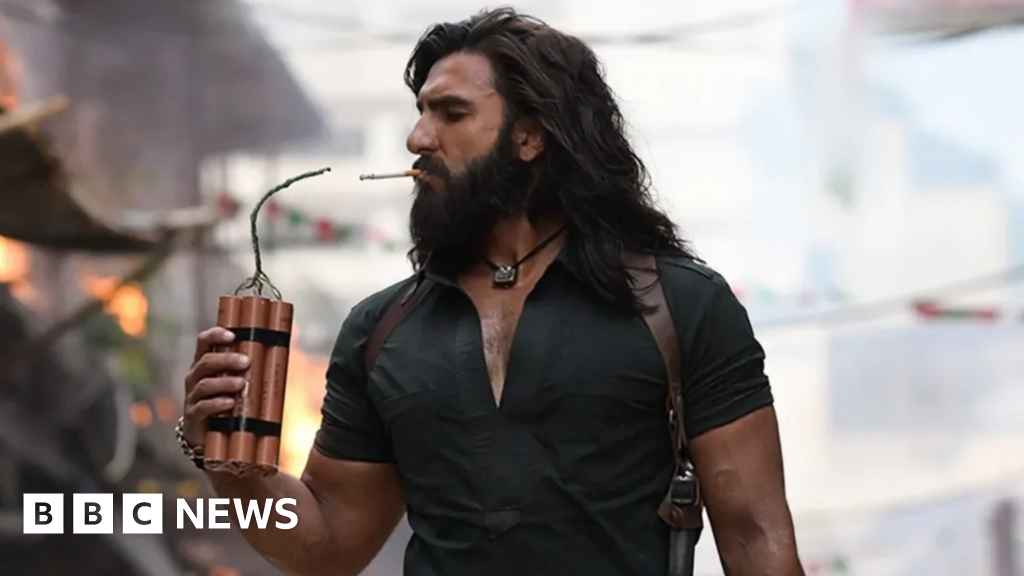
As 2025 came to a close, discussions on Indian social media revolved around one major film: Dhurandhar, an espionage thriller set against the backdrop of India-Pakistan tensions. This movie, characterized by its graphic violence and gang politics, emerged as a significant cultural phenomenon for the year.
This stark shift contrasted to 2024, which saw successful films from female directors like Payal Kapadia’s All We Imagine As Light and Kiran Rao’s Laapataa Ladies, receiving both critical acclaim and global attention. Critics like Mayank Shekhar emphasized that these filmmakers represented a truth rather than a fleeting trend.
Despite hopes for an increase in compelling women-centric narratives, the top box-office hits of 2025 were dominated by larger-than-life male heroes, including titles such as Chhaava and War 2. The only film on the list featuring a female lead was the Malayalam superhero film Lokah.
Even romantic dramas like Saiyaara showcased male heroes at their center, further illustrating the industry’s tendency to prioritize male narratives. The year’s prominent films centered on themes of pain, power, and vengeance, all delivered through male characters.
While some attribute this trend to audience demands, analysts argue that it reflects longstanding patriarchal narratives within Indian cinema. Despite a handful of female-centric classics, prevailing gender biases still result in inequities in casting, pay, and opportunities for women.
Despite the focus on hypermasculine films, there are encouraging signs. Smaller film industries and independent filmmakers are emerging with compelling narratives that challenge traditional tropes. Films like The Girlfriend and Bad Girl illustrate the potential for creating more inclusive storytelling, hinting at a quieter but resilient movement away from mainstream male-centric narratives.
