



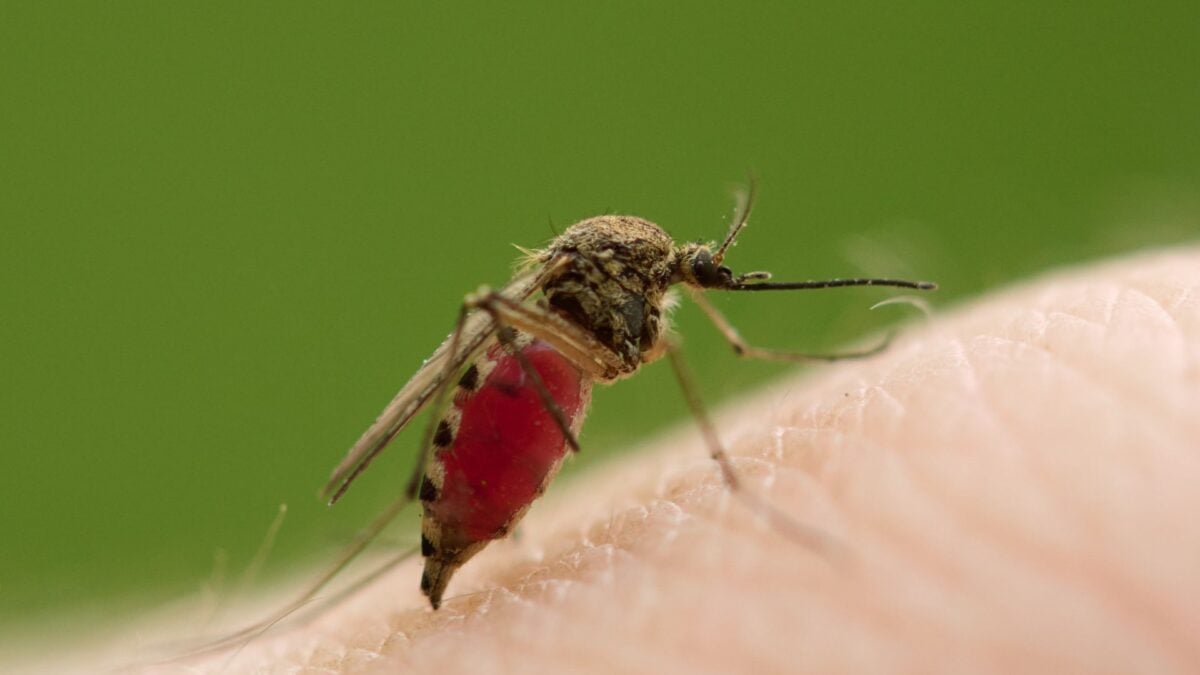
The issue of mosquitoes might be even more serious than previously believed. Recent intriguing research reveals that it’s not just female mosquitoes that can suck our blood—males appear to be capable of doing so as well.
Researchers from Pennsylvania State University and other institutions presented their findings in a preprint released last week on bioRxiv. Through various experiments, they found that some male mosquitoes will consistently feed on blood under specific conditions. This challenges long-standing views on the threats these insects pose to humans, although further study is required for a deeper understanding.
An Unforeseen Discovery
Traditionally, male adult mosquitoes are understood to nourish themselves primarily from nectar and sugary sources, while females often feed on blood. The researchers, led by Rasgon, did not initially set out to scrutinize these conventional beliefs.
However, a few years ago, a graduate student observed male mosquitoes feeding on blood during lab experiments. Rasgon remembered a 2016 study that showed male Culex quinquefasciatus could be lured into feeding on blood, which proved toxic. Curious, he decided to see if a different species would exhibit similar behavior. Surprisingly, the males that fed on blood survived just as long as those that consumed sugar.
Continuing the Research
Initially, Rasgon viewed this finding as a minor scientific detail, but he and his team continued their research with limited resources. They discovered that dehydrated males from specific species would consistently feed on blood from an artificial source, similar to females. They also created CRISPR-edited mosquitoes that could not detect humidity, which did not feed on blood, indicating dehydration plays a crucial role in male blood-feeding behavior.
As the project evolved, collaboration with other scientists led to discovering wild male mosquitoes from Texas and Mallorca that tested positive for vertebrate DNA, confirming their blood-feeding behavior. Furthermore, the experiments revealed that some male mosquitoes could harbor the West Nile virus, posing a potential risk for disease transmission if they bite other hosts.
Moving Forward
Despite the novelty of these findings, the researchers emphasize that many questions remain unanswered. They suggest that male blood-feeding is contingent on specific factors like dehydration, which may occur infrequently in nature. However, harsh environmental conditions might lead many males to attempt blood-feeding.
An essential question still to be answered is whether male mosquitoes actively transmit diseases. Several of the species investigated are known vectors for germs that affect humans. Even if males play a minor role in disease transmission, their impact could be significant enough to deserve further investigation. With the use of sterile male mosquitoes to combat diseases like malaria, this new understanding could complicate existing strategies.
Rasgon and his team have submitted their findings for peer review, an essential step in validating research. They hope these discoveries will spark further exploration of the blood-feeding habits of male mosquitoes. “We need to conduct this with scientific rigor and secure proper funding for serious fieldwork,” Rasgon noted, expressing optimism for future research opportunities.
