



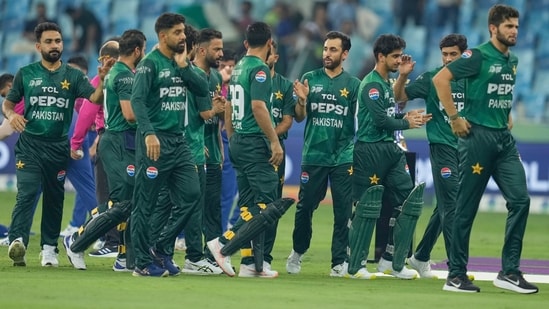
When Pakistan discusses the possibility of boycotting an ICC event, it conveys more than just a sporting threat; it asserts a business position. If excluded, the ICC’s tournament economics could falter. However, the issue lies in the fact that the ICC’s financial structure indicates that while Pakistan can cause disruption, it cannot dictate the course of events.
The ICC as an Events Business
The ICC’s audited financial accounts reveal its strengths and weaknesses: global tournaments. For the fiscal year ending December 2024, the ICC reported total revenue of $777.9 million, with event revenue at $728.5 million and a net surplus of $474 million. For 2023, total revenue was $904.4 million, while event revenue stood at $839.2 million with a net surplus of $596 million. This is significant because any threats of a boycott are only impactful if they jeopardize the ICC’s primary revenue source: its events’ value and marketability.
Pakistan’s Stake in the ICC
Pakistan’s proportional revenue share is notable but not dominant. In the 2024-27 funding cycle, Pakistan’s share is reported to be 5.75%, contrasted with India’s 38.5%. It is estimated that India generates around 80% of ICC’s revenue, with media rights for the 2024-27 cycle sold for $3 billion.
These figures serve two purposes: they highlight that Pakistan is not a marginal player—5.75% is considerable in a global federation—but they also emphasize the constraints on Pakistan’s economic influence, as the ICC’s commercial focus remains outside of Pakistan.
Pakistan’s Contribution to the ICC
Pakistan is a vital broadcast market for the ICC, which has confirmed partnerships with Pakistan Television Corporation and Myco for broadcast rights through 2027. However, the ICC has not disclosed the deal’s financial details. Without this information, assertions that Pakistan could significantly disrupt the ICC’s annual revenue remain unverified.
A more compelling argument is that Pakistan’s participation facilitates the highly marketable India-Pakistan match-ups, which are among the most attractive fixtures for broadcasters and advertisers alike.
Impact of Pakistan’s Potential Boycott
If Pakistan chooses to boycott the World Cup, the ICC would encounter three distinct impacts:
1. Competition and Perception
Without Pakistan, the tournament would lack competitiveness and face political noise, resulting in significant branding consequences.
2. Loss of Key Matches
The removal of the India-Pakistan match would provide a major commercial blow, as this match typically attracts premium advertising and high viewership.
3. Reality of Contracts
The ICC’s primary rights agreements are usually comprehensive bundles. A boycott could diminish match-level value and cause dissatisfaction among broadcasters and sponsors, but without explicit contractual triggers, signed agreements remain intact. The more substantial long-term risk involves cautious bidding behavior and potentially downgraded sponsor packages in future cycles.
The Asymmetry of Power
Boycotts can also be costly for the boycotting side. Pakistan would experience rising costs due to lost match participation, diminished global exposure, and potential strain on its own financial health. The ICC’s revenue structure remains heavily centered around India, affecting everything from revenue projections to event pricing.
Conclusion: Scope of Pakistan’s Influence
While Pakistan possesses some leverage due to its role in enhancing the ICC’s marketable match inventory, the revenue distribution figures set clear boundaries on that influence. With Pakistan’s revenue share at 5.75% compared to India’s 38.5% and considering India’s substantial $3 billion rights cycle, Pakistan’s boycott threat serves more as a method to induce discomfort and create negotiation leverage than as a means to assert control.
