


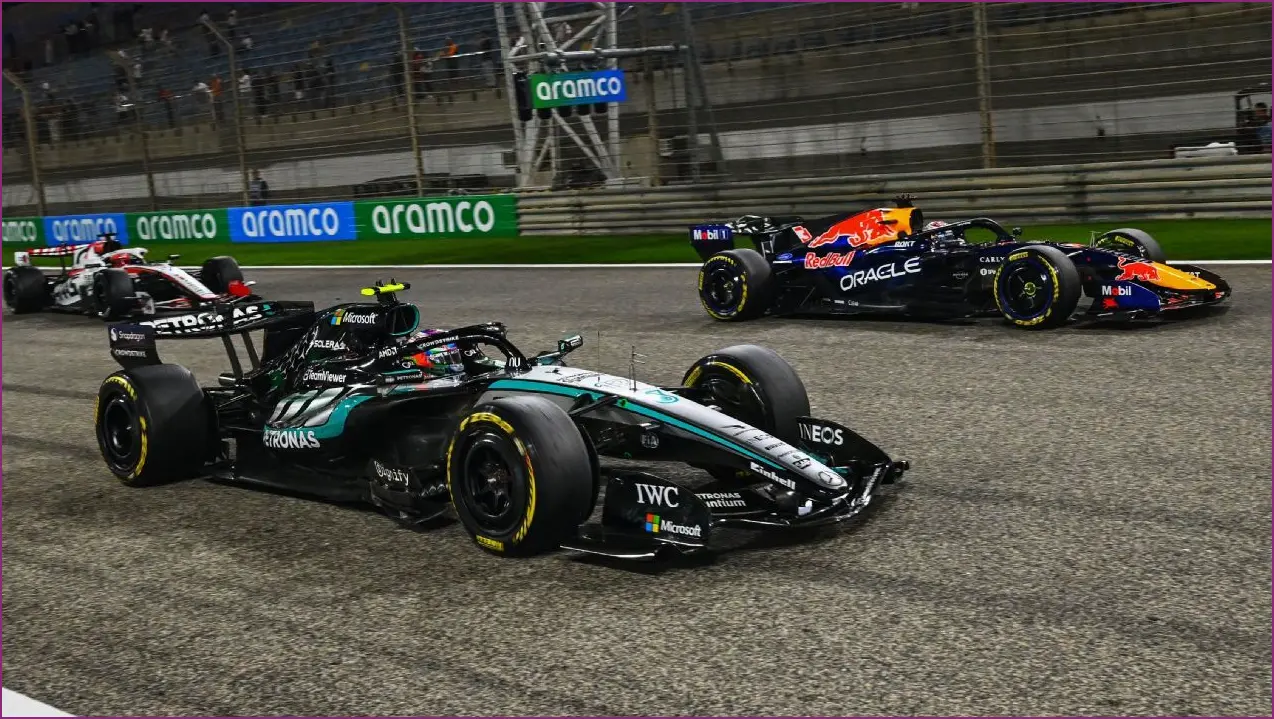
Overview of Significant Regulations Changes for F1 2026
Formula 1 is undergoing its most extensive regulation overhaul in history as it prepares for the 2026 season, implementing new rules that affect car design, power units, aerodynamics, tires, and fuel. Understanding these changes could be daunting, especially if you haven’t followed F1 closely since Lando Norris claimed the championship last year.
Power Unit Transformations
What changed? The 2026 guidelines focus on establishing cars that run on a combination of 50% sustainable fuels and 50% electric power, significantly altering aerodynamics and tire regulations. These adaptations are so extensive that former Red Bull team principal Christian Horner described the new vehicles as “Frankenstein” creations. The hybrid power units use increased electrical power from the energy recovery systems, with the maximum capability of the MGU-K increasing from 120kW to 350kW, while the internal combustion engine (ICE) output is reduced to around 400kW.
Car Weight and Dimensions
What changed? The new “Nimble Car Concept” brings smaller and lighter cars with reductions in overall weight and dimensions. The maximum wheelbase has been shortened, and the weight limit has decreased by 30kg, marking the first significant step towards lighter designs in years. The aim is to improve maneuverability, which drivers have noted during preseason testing.
Active Aerodynamics & New Overtake Mode
What changed? The cars now feature dual wing settings optimized for both straight-line speed and cornering. This mode, activated from the cockpit, is limited to specific zones designated by the FIA and aims to maximize efficiency without compromising downforce. Additionally, the overtake mode replaces the old DRS system, granting drivers enhanced electrical power at higher speeds, facilitating overtaking under strict conditions.
Tire Modifications and Reduced Downforce
What changed? Pirelli’s tires are now narrower but maintain their 18-inch size, focused on reducing drag and weight. A strategic reduction of downforce by 30% aims to allow cars to follow each other more easily and improve overtaking opportunities. The overhaul includes a return to flat-bottomed designs, leading to enhanced drivability and stability.
Introduction of Sustainable Fuels
What changed? Formula 1 is transitioning to advanced sustainable fuels that do not contribute to atmospheric carbon levels. This shift is part of a larger move toward net-zero emissions by 2030, promising a more sustainable racing future. The challenge lies in making these fuels competitive while ensuring they are viable for existing internal combustion engines.
Conclusion
This major shift in regulations represents a pivotal moment for Formula 1, highlighting a commitment to sustainability while attempting to enhance the competitive nature of the sport. While the changes are extensive, they promise to influence not only how races are run but also the future of motorsport technology.
