


AP
Legacy of Country Joe McDonald
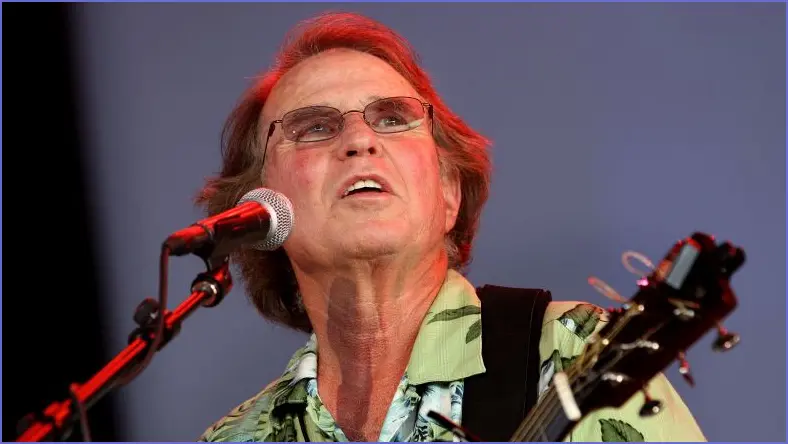
“Country” Joe McDonald, a prominent figure in 1960s counterculture, passed away at 84 on Sunday. He was renowned for his anti-Vietnam War song, “I-Feel-Like-I’m-Fixin’-To-Die Rag,” which became an anthem for protesters and a standout performance at Woodstock.
Early Life and Career
McDonald, who co-founded the band Country Joe and the Fish, died in Berkeley, California, due to complications from Parkinson’s disease, as shared by his wife, Kathy McDonald. He had a significant influence in the Bay Area music scene alongside legends like the Grateful Dead and Janis Joplin, creating a plethora of songs that ranged from psychedelic rock to soulful tunes.
The Anthem Against War
Known for his wit and political commentary, McDonald’s “I-Feel-Like-I’m-Fixin’-To-Die Rag” was crafted in just under an hour in 1965 amidst the escalation of U.S. military involvement in Vietnam. The song parodied war with its biting lyrics and a memorable chant that encouraged audience participation.
Impact and Controversies
The song catapulted him to fame, but not without consequences. In 1968, Ed Sullivan canceled his appearance on his show due to the controversial chant, and after Woodstock, McDonald faced arrest for the same reason at a performance in Massachusetts. His political activism led him to testify at the “Chicago Eight” trials, where he attempted to perform the song in court, only to be stopped by the judge.
Continued Influence and Activism
Despite his lingering legacy from the 1960s, McDonald continued to tour and create music, expressing nostalgia for that era in works like “Bring Back the Sixties, Man.” His discography includes titles such as “Country” and “Save the Whales,” and he maintained his activism by contributing to the Vietnam Veterans Memorial project in Berkeley.
Personal Life and Relationships
McDonald was married four times, with Kathy McDonald being his last spouse. His relationship with Janis Joplin in the 1960s was significant, inspiring him to write the poignant ballad “Janis.” Their connection reflected the tumultuous nature of their lives as artists during a turbulent time.
