


Raw Power Prevails
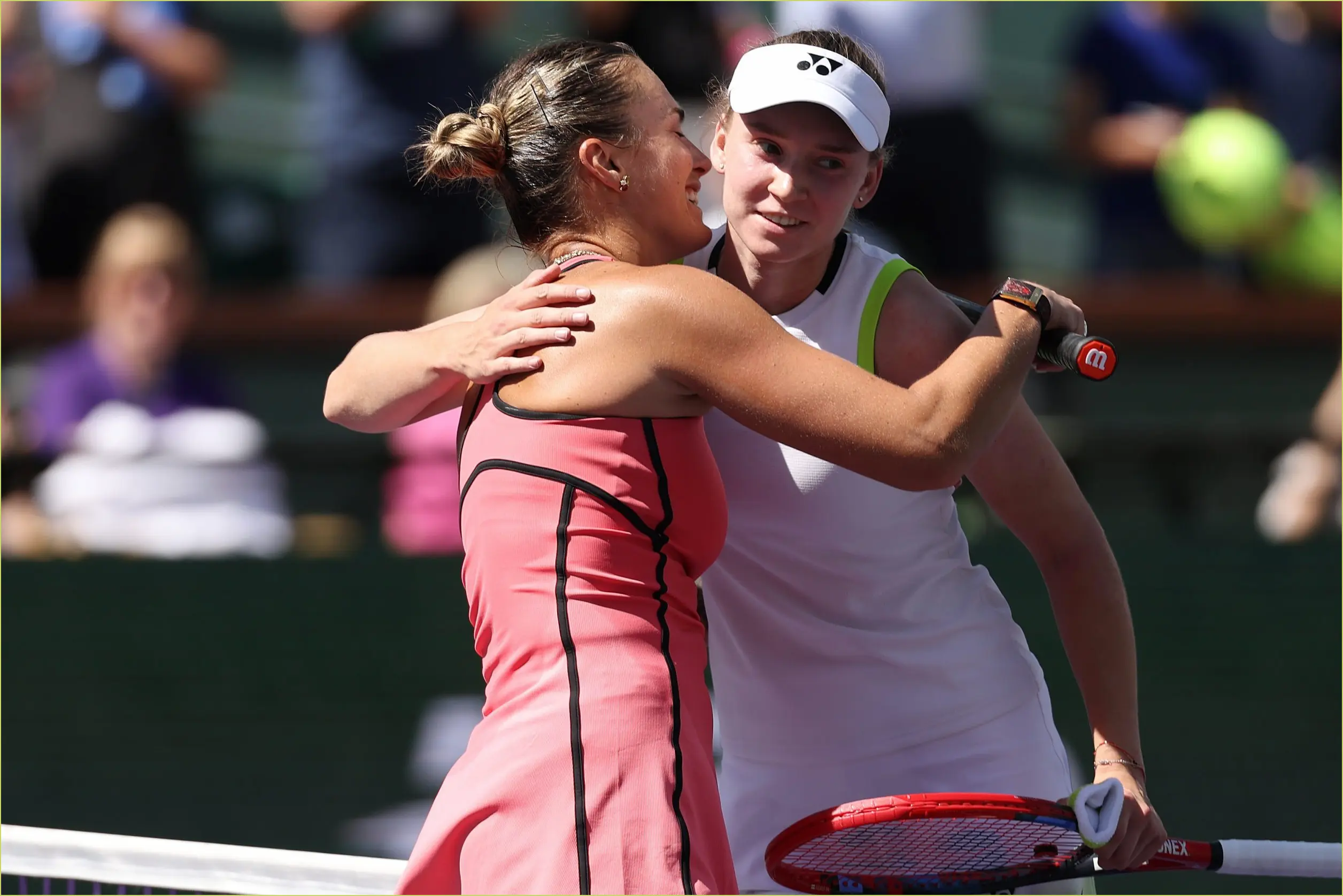
These days, raw power in tennis is taking center stage. One of the joys of the sport is witnessing the clash of different playing styles, but for now, I’ve set aside those subtleties. The focus shifts to two players with a shared goal: to hit winners as quickly as possible. We’re not interested in lengthy rallies or defensive play but in the swift race to land a decisive strike. In the 16th match of this rivalry, Aryna Sabalenka saved a match point against Elena Rybakina during the final tiebreak and secured her first title at Indian Wells.
Narrative Weight for Sabalenka
Sabalenka entered the final with significant backstory. Despite being recognized as the top player on tour, having held the No. 1 ranking for 81 weeks straight, her title count doesn’t match expectations. From the start of the 2025 season to the 2026 Indian Wells final, she played in 11 finals but won only five. Among those losses were two significant defeats to Rybakina, who triumphed at the 2025 WTA Finals and the 2026 Australian Open. Rybakina has outperformed top-10 players consistently, winning 12 consecutive matches, a feat that Sabalenka hadn’t achieved despite her ranking dominance.
The Volatile Nature of Sabalenka’s Game
Even at her peak, Sabalenka’s game is an unpredictable blend. A couple of poorly timed errors could lead to a swift downturn. While she possesses unmatched power, which is among the best in WTA history, it can be double-edged: she’s primarily responsible for finishing rallies. Against Coco Gauff, this dynamic becomes evident as Sabalenka repeatedly faces the challenge of hitting just one more shot, leading to self-doubt that disrupts her technique and results in unforced errors.
Symmetric Warfare: Sabalenka vs. Rybakina
When Sabalenka faces Rybakina, the match turns into a balanced contest. Both thrive on hard courts, making their individual strengths largely interchangeable: Rybakina’s powerful serve contrasts with Sabalenka’s superior movement and returning skills. Their matches typically hinge on hitting winners, devoid of complex strategic shifts. However, their encounters have been closely contested; with 10 out of their 16 matches going to three sets and several decided by just a single break of serve. Sabalenka held a narrow 8-7 lead in their head-to-head.
The Psychological Battle
With such minimal tactical distinctions, psychological management becomes crucial. Sabalenka has struggled to maintain leads, evident from her Australian Open loss after leading 3-0 in the third set. At Indian Wells, she struggled again, despite leading the final set and missing a chance to serve for the match at 5-4. Yet, in an intense tiebreak, Rybakina faced a match point on her serve. However, Sabalenka anticipated it well, returned deep, and followed up with a brilliant crosscourt backhand winner, a moment destined for her career highlights.
A New Ranking Dynamic
This week saw Iga Swiatek lose some ranking ground, allowing Sabalenka and Rybakina to become No. 1 and No. 2 globally. This change reinforces the current reality: they represent the best matchup on tour, with each meeting contributing to the ongoing debate over who is the premier power player of this generation. If their rivalry continues at this level, I would gladly welcome their presence in every tournament final for the next five years.
