


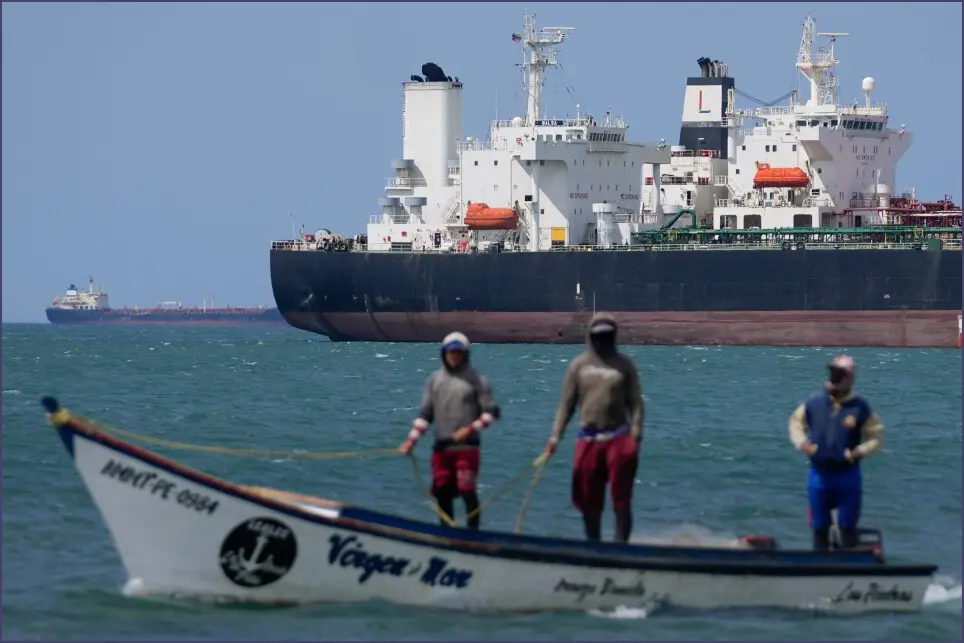
U.S. Companies Can Engage with Venezuela’s Oil Sector
As of Wednesday, the U.S. Treasury Department has relaxed sanctions, enabling American firms to engage with Venezuela’s state-owned oil and gas company, with certain restrictions in place. This decision comes as the Trump administration seeks to increase global oil supplies amid conflict with Iran.
Broad Authorization for PDVSA
The Treasury’s new authorization permits Petróleos de Venezuela S.A. (PDVSA) to sell Venezuelan oil directly to U.S. companies and on international markets, marking a significant policy shift after years of U.S. restrictions on dealings with the Venezuelan government and its oil sector.
Temporary Waiver of Jones Act Requirements
In a related announcement, President Donald Trump has temporarily waived the Jones Act for 60 days, allowing goods shipped between U.S. ports to be transported on non-U.S. flagged vessels. This 1920s legislation was aimed at protecting American shipbuilding but has often contributed to higher gasoline prices.
Rising Oil Prices Prompt Action
The measures indicate that the Republican administration is responding to the rising oil prices as the U.S. collaborates with Israel against Iran. Global oil prices have surged as Iran has succeeded in halting traffic through the Strait of Hormuz, through which 20% of the world’s oil commonly flows.
Impact on Consumer Prices
Currently, U.S. drivers are facing the highest gasoline prices in about 2.5 years, with the national average for a gallon of regular gasoline surpassing $3.84. This increase raises concerns for voters as high fuel costs contribute to broader worries about living expenses amidst an election season.
Incentives for Investment in Venezuelan Energy
The Treasury’s license aims to stimulate investment in Venezuela’s energy sector, ultimately benefiting both nations and contributing to global oil supply, as described by a Treasury official who requested anonymity. While the license provides some relief from sanctions, it does not fully lift them, meaning specific payments must still go through a special U.S.-controlled account and avoid certain sanctioned entities.
Cautious Optimism and Criticism
Despite the potential for increased oil supplies, experts caution that significant changes to U.S. gasoline prices may take 12 to 18 months. Critics argue that easing sanctions could solidify the power of the Maduro regime while public sector workers survive on minimal wages amidst rampant inflation. Analysts suggest that while temporary measures may provide some relief, they do not counteract the long-term issues facing Venezuela’s economy.
