


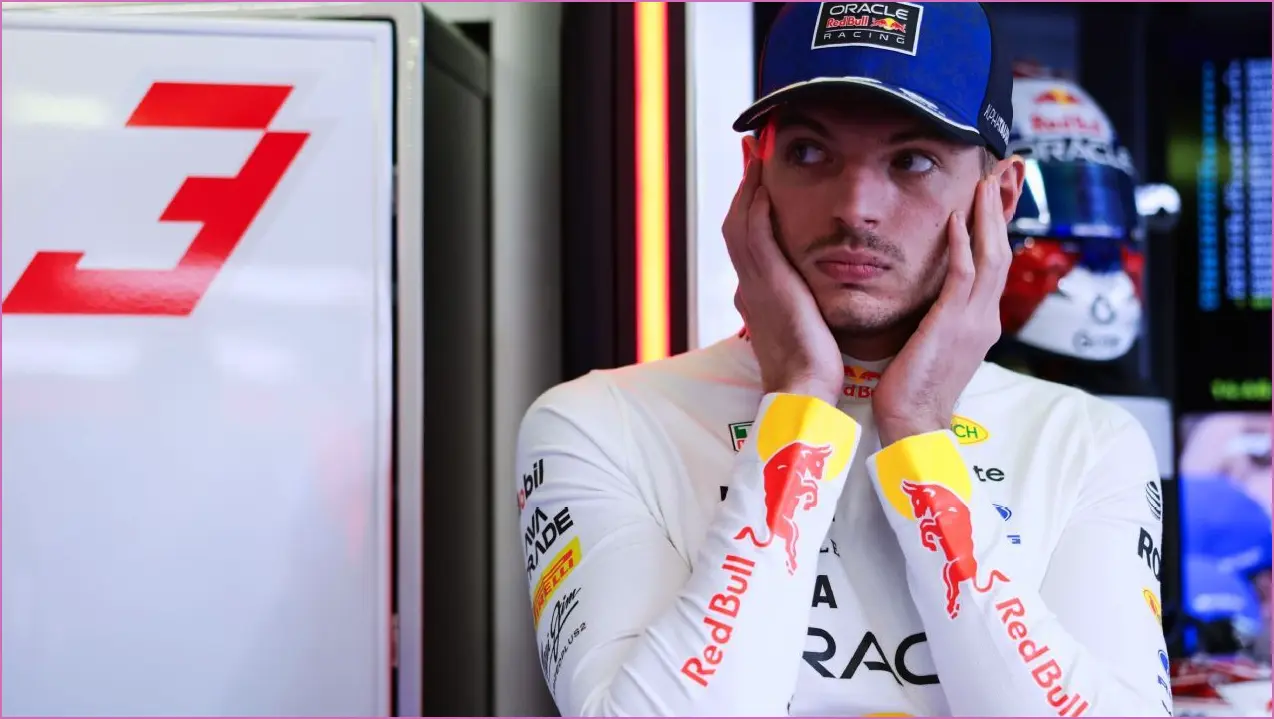
Max Verstappen has emerged as a leading voice against the electrification trend in Formula 1, being the most outspoken critic of the sport’s new hybrid cars.
The recent hybrid engines in F1 showcase a balanced mix of combustion and electric power, drawing significant attention during the initial races of 2026 to energy management and battery utilization—an unprecedented focus for the sport. The new vehicles are equipped with systems that allow drivers to activate power boosts at will during a lap.
Opinions on the new cars are divided. Verstappen, a four-time world champion and often cited as the top driver in F1 today, has consistently voiced his criticism, garnering media attention. While some of his peers have expressed similar dissatisfaction, especially concerning single-lap performance, Verstappen has remained firmly negative about the new regulations even after racing resumed at the Australian Grand Prix.
This criticism has created an interesting dilemma. Following the Chinese Grand Prix, Lewis Hamilton, regarded as the most accomplished driver on the grid, praised the new cars, claiming they provided some of the best racing experiences of his career.
Verstappen’s Initial Reactions to the Cars
His Comments
“Not a lot of fun, to be honest. The right word is management. It doesn’t feel very Formula 1-like, more like Formula E on steroids.”
The Context
Verstappen’s reservations about F1’s new regulations were apparent from the preseason, where he first criticized the cars during a media session at Bahrain, after having tested them during private events.
Our Take
Describing the new hybrid engines as “Formula E on steroids” effectively captures the essence of these changes. Since the introduction of electric racing back in 2014, Formula E has focused primarily on battery power, and F1 seems to have shifted toward this narrative as well, with extensive coverage on energy management, affecting both qualifying and race dynamics.
Authenticity of Racing?
The Quotes
In preseason discussions, Verstappen remarked: “The car looks good, but everything else is anti-racing.” After the Chinese Grand Prix, he added: “It’s like playing Mario Kart. This isn’t racing. You boost past, then run out of battery; then they boost past you again—it’s just a joke.”
The Context
Verstappen’s harshest criticism suggests the recent races lack authenticity, missed by those who enjoy the new format. This viewpoint seems to resonate with traditional fans who’ve appreciated classic racing styles.
Our Analysis
While Verstappen is entitled to his views, it raises questions about what constitutes “real racing,” a subjective matter. The shifting dynamics—energy management over traditional racecraft—can make what many view as exhilarating seem less thrilling to others.
Is There True Competitiveness?
The Comments
“It’s just Kimi or George that’s winning. It’s not really competitive; it’s just Ferrari sometimes getting good starts.”
The Context
Most praise for the new cars stems from on-track battles between Mercedes and Ferrari drivers. However, Verstappen noted the competitive landscape hasn’t felt balanced, often highlighting how Ferrari starts strong and then fades as Mercedes’ strategies come into play.
Our Verdict
While Verstappen’s observations have merit, the excitement of recent races may not fully represent the long-term competitiveness of this season. Future races without great launches could impact the dynamics significantly.
Will Verstappen Walk Away?
His Thoughts
“I don’t want to leave. I wish it was more enjoyable, but I’ve found other fun distractions, such as racing at Nordschleife.”
The Context
His comments hint that while he is not currently looking to exit, the ongoing challenges with the new cars are creating a dilemma for him.
Our Verdict
F1 must be wary of Verstappen potentially stepping back from racing, as he may not envision a long career in the sport. His future in F1 could hinge on whether the new regulations evolve to feel more like the racing he loved, raising a concern that one of the sport’s greatest talents might depart due to dissatisfaction with the current format.
