


Scotts Valley Tribe Secures Approval for Temporary Gaming Facility in Vallejo
The Scotts Valley Band of Pomo Indians has received approval from the city for a temporary gaming facility as part of its ongoing initiative to establish gaming operations in Vallejo, California. This move comes despite a larger casino plan still under federal evaluation.
City Council Agreement
This week, the Vallejo City Council ratified a memorandum of understanding with the tribe, which outlines the terms related to police, fire, and water services for the temporary Class II gaming facility situated on tribal trust land.
Opposition from Other Tribes
Competing tribes argue that the city should have delayed action until the Department of the Interior resolves the eligibility of the project for gaming activities.
Financial Contributions
The agreement specifies that Scotts Valley will contribute $402,000 annually to the city for public safety and administrative expenses, alongside a one-time activation fee of $100,000. The tribe has also committed to donating at least $100,000 each year to local nonprofits.
Facility Details
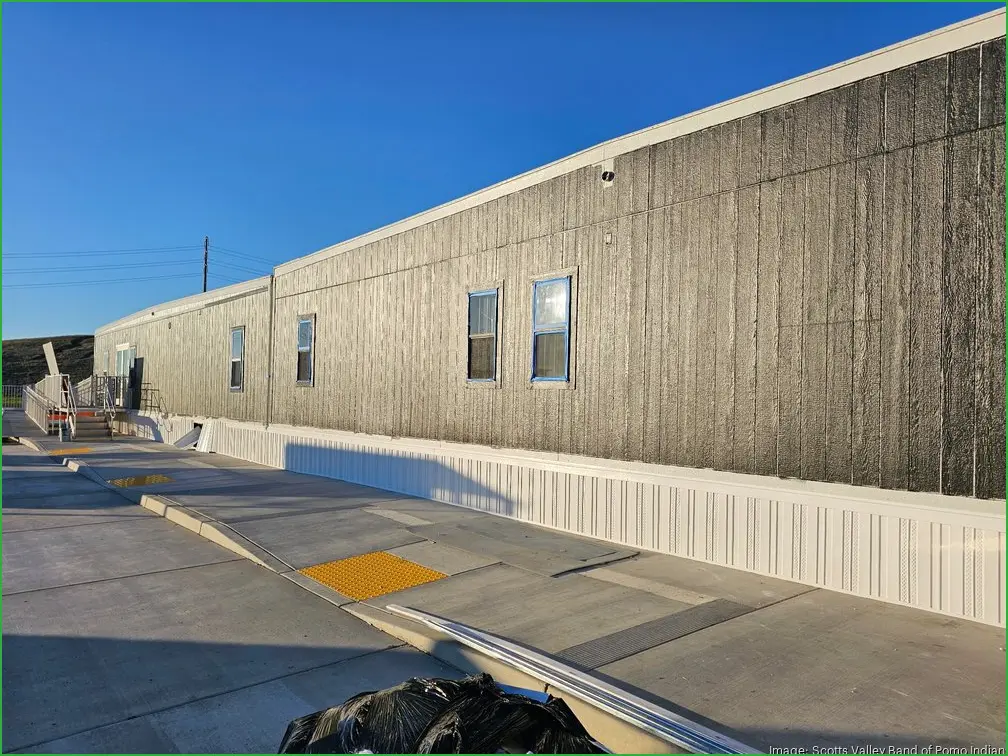
The proposed temporary facility is relatively modest compared to the $700 million casino project the tribe envisions. It will consist of two modular buildings totaling approximately 5,400 square feet and feature up to 100 Class II gaming positions, with a third building allocated for tribal offices. The facility will operate during limited hours and utilize food trucks and prepackaged food instead of a full kitchen.
Impact and Safety Measures
An impact study by consultant AP Triton estimates around 801 vehicle trips daily and forecasts initial public safety costs to be about $766,000 for the first year, decreasing to around $524,000 in subsequent years. The MOU aims to alleviate financial burdens on local taxpayers by making Scotts Valley responsible for police and fire services related to the facility. Additionally, the tribe will provide 24-hour security, install surveillance systems, and ensure compliance with fire safety regulations.
Future Considerations
The memorandum does not pertain to the tribe’s larger Class III casino proposal, which necessitates a different intergovernmental agreement and further environmental assessments based on a pending decision from the Department of the Interior. Despite initial federal approval in January 2025, a determination regarding the project was rescinded shortly after due to challenges from neighboring tribes regarding historical connections to the area. The ongoing review process remains contentious, with opposing tribes expressing concerns over the city’s decision to advance with the MOU before federal clarity is achieved.
