


Future Direction of F1 Power Units
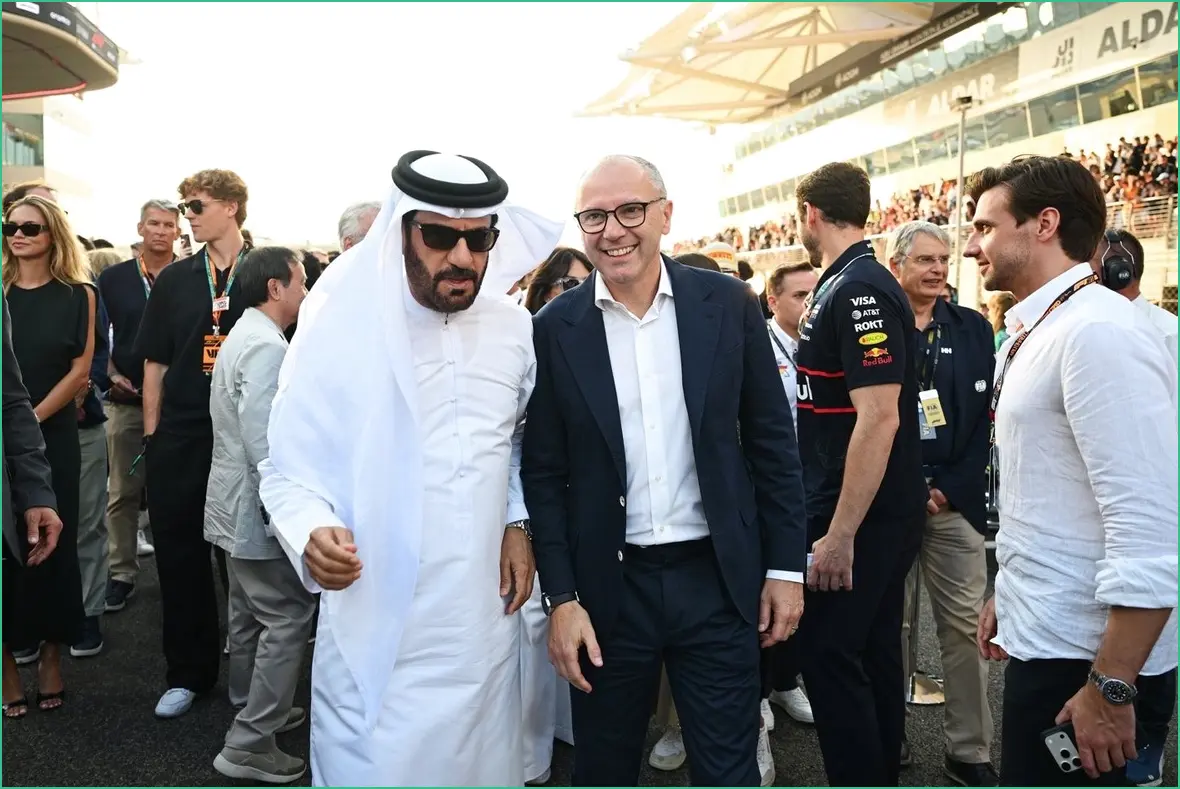
Stefano Domenicali, the chief of Formula 1, recently echoed sentiments about the expectation of developing a lighter and smaller power unit for 2031. This concept might ring familiar as discussions about F1’s future engine configurations evolve.
Current Regulatory Focus
While navigating through the contentious 2026 regulations, the prospect of returning to high-revving V8 engines with minimal electric elements is appealing to fans and insiders. Mohammed Ben Sulayem initially proposed this idea at the season’s start, which subsequently initiated meetings on power units.
Manufacturers’ Feedback
However, after new manufacturers like Audi showed little enthusiasm for expediting the next generation of engines, those discussions were shelved, and the focus shifted back to the existing regulations. The issues identified during the first three Grand Prix weekends support the wisdom in this decision, prompting further refinements for upcoming races.
Shifts in Consensus
Domenicali noted in an exclusive Autosport interview that there seems to be a broader agreement regarding the future path of the series. He stated, “I personally see a sustainable fuel at the center of the future, balanced with strong internal combustion engines.” This direction aims to create lighter cars that enhance pure racing experiences.
Improved Relations Between Entities
The relationship between F1’s commercial rights holder and the FIA appears to be healthier now, with both entities working towards a common goal. While the initial dynamics between Ben Sulayem and F1 were rocky, recent insider reports suggest improved communication and collaboration, allowing for more effective management of the sport.
Strengthening the Governance Structure
Domenicali acknowledged the necessity for robust officiating in F1, highlighting that the recent Concorde Agreement offers the FIA increased resources to enhance its operations. Ben Sulayem mentioned the importance of modernizing regulatory and operational capacities to ensure that the sport remains at the forefront of technological advances.
Conclusion: Shared Vision for the Future
Despite ongoing challenges, both parties share a common vision of sustainable growth for F1. As Domenicali summarized, fostering a relationship built on trust is essential for maintaining the integrity and credibility of the sport, especially as F1 continues to expand.
