


Debate Over a Salary Cap in Baseball
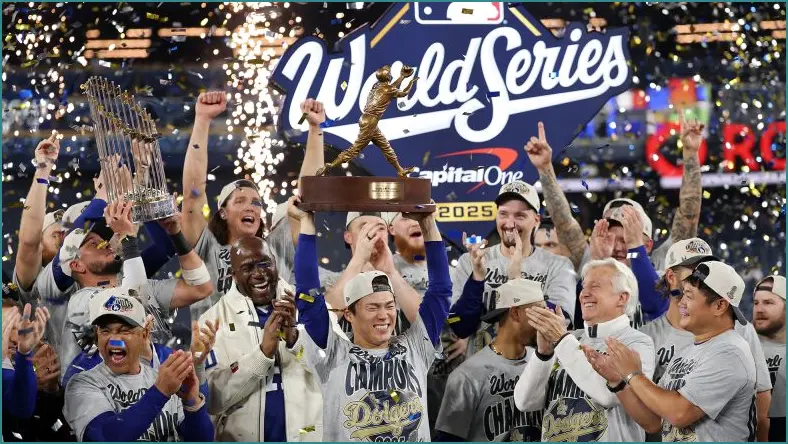
Observers might easily point to the Los Angeles Dodgers’ unprecedented payroll and consecutive World Series victories, theorizing that the sport of baseball urgently requires a salary cap.
The Dodgers’ payroll stands at $350 million, approximately double the league’s average, and a staggering $84 million above the previous peak for a championship-winning team, which the Dodgers set just a year prior.
There are signs indicating that team owners may advocate for a salary cap in the upcoming labor negotiations next year, coinciding with the expiration of the current agreement between Major League Baseball (MLB) and the MLB Players Association (MLBPA), which represents almost 8,000 players across all levels.
“Nobody claims that the Kansas City Chiefs are destroying football despite their dominance because they didn’t buy a championship, while the Dodgers are perceived to have done just that,” noted Victor Matheson, an economics professor and sports business expert. “This perception arises from the fact that the Dodgers spend about $100 million more on their roster than the second-place Toronto Blue Jays.”
However, the notion that financial muscle alone dictates success in baseball is misleading. Money doesn’t guarantee triumph; the sport features much more competitive balance than it might seem.
If the Blue Jays had defeated the Dodgers in the recent match, it would have marked the tenth different champion in twelve years, a stark contrast to the NFL, which has seen only six different teams win the Super Bowl during the same timeframe, despite having a salary cap.
Matheson explains that the disparity between successful and less successful teams in baseball is only about 10% attributable to payroll differences. “Many uncontrollable factors come into play, such as injuries and player performance at critical moments,” he added.
