


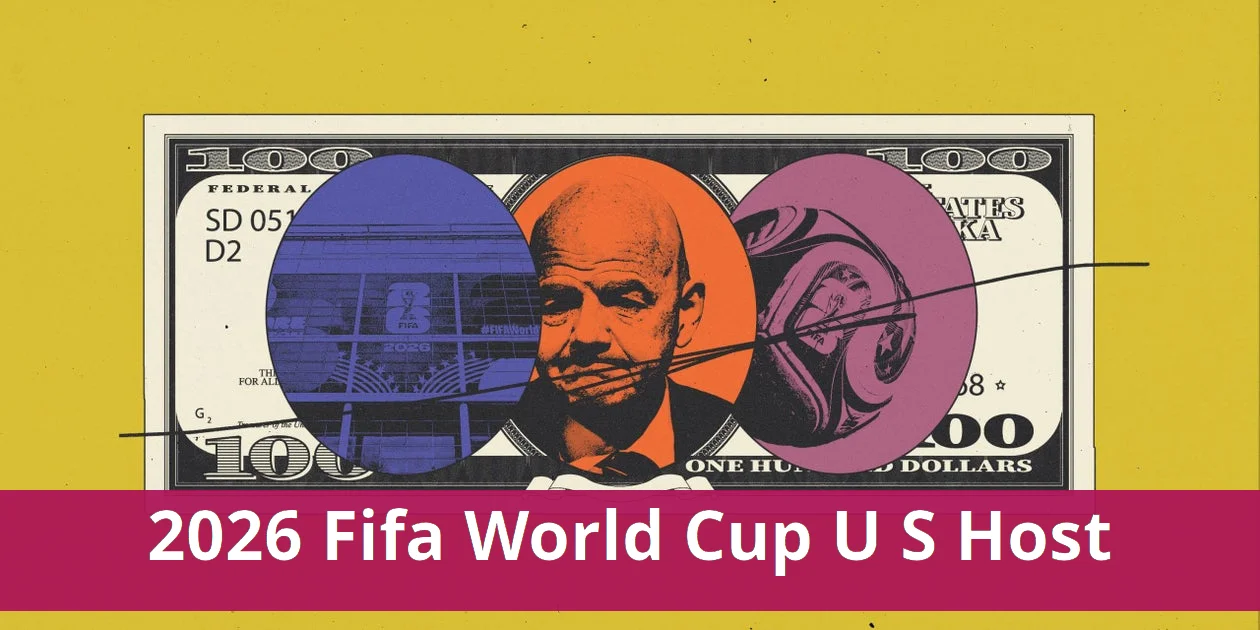
FIFA executives have structured hosting agreements for the 2026 World Cup in a way that places the financial burden largely on the U.S. host cities, according to The Athletic.
What happened
In the fall of 2021, FIFA officials visited 23 North American cities vying to host matches in the 2026 men’s World Cup. After several rounds, 11 U.S. cities were confirmed as hosts. These cities are now grappling with costs associated with transportation, safety, and security. FIFA retains the majority of the revenue from ticket sales, media rights, sponsors, and concessions.[2]
During a meeting at SoFi Stadium, one FIFA executive told attendees that hosting the tournament would “put your city on the map.” This remark left some local leaders incredulous, as the cities are already renowned for cultural events, including the Oscars and Super Bowls. The ongoing relationship between FIFA and the host cities has become strained as municipalities seek clarity on what benefits they will receive.
FIFA is expected to generate over $11 billion in revenue with an operating budget of $2.7 billion for the tournament. However, cities question the claims of substantial economic impact, with a report estimating $30.5 billion for the U.S. economy now viewed with skepticism. Increased costs are already evident in preparations, prompting some cities to reconsider their involvement.[3]
Why it matters
The stakes are high for the host cities, which face rising costs amid growing frustration over FIFA’s demands. The imposition of financial burdens has raised concerns about the long-term value of hosting such a massive event. Cities are expected to cover expenses without seeing a significant return on investment, leading to questions about future bids, such as the 2031 Women’s World Cup.
Background
On May 27, 2018, the joint bid by the U.S., Mexico, and Canada secured hosting rights for the World Cup. Initially, 23 cities were candidates, but this number was reduced to 16, ultimately settling on 11 U.S. host cities. The selection process raised concerns about revenues and operational costs that would fall to local taxpayers.[1]
What’s next
Representatives from multiple host cities have signed a letter expressing their hesitance to partner with FIFA for the upcoming 2031 Women’s World Cup unless key terms are negotiated, indicating potential challenges for future events. An announcement regarding this bid is expected later this year.
