


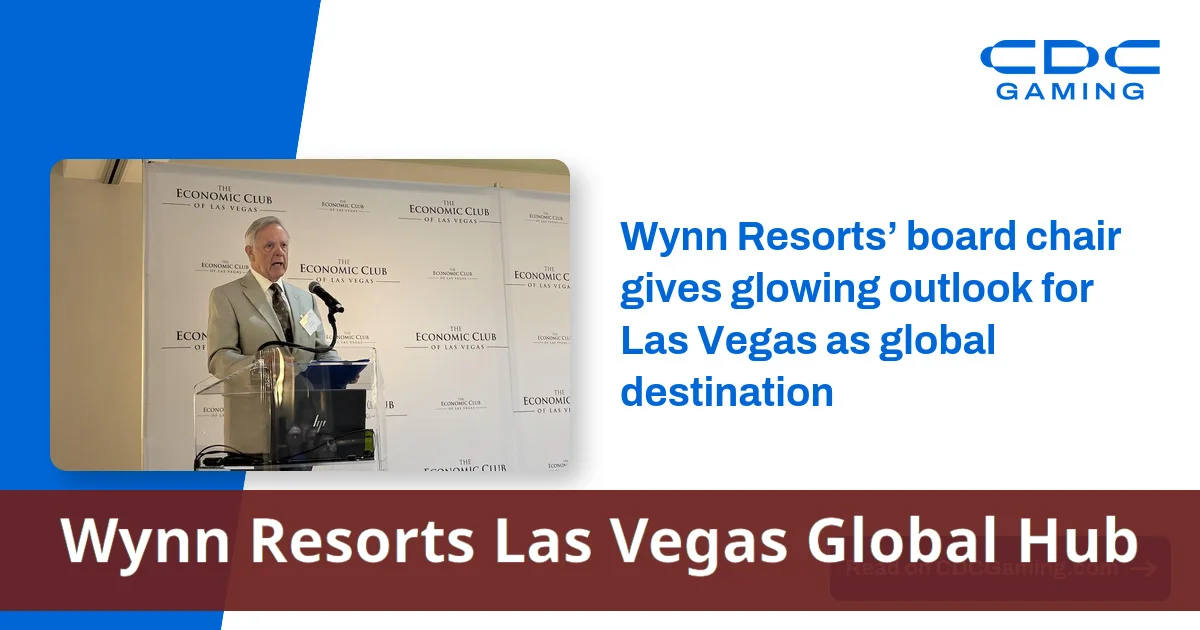
Phil Satre, chair of Wynn Resorts, expressed optimism about Las Vegas’ future as a global tourism hub, but warned against the risks of casino property sales and leasebacks, according to CDC Gaming.
What happened
During a recent address to the Economic Club of Las Vegas, Phil Satre highlighted challenges posed by the sale and leaseback model in the casino industry. Satre stated that separating ownership from operations can hinder reinvestment crucial for attracting international guests. He stressed, “If you have a softening of revenue… you don’t have any choice but to pay the rent first.”
Satre also commented on the recent bids for Caesars and MGM by prominent billionaires, asserting, “I think in both of those cases, the financial capacity is there to reinvest in the assets.” However, he cautioned about potential impacts from high rent payments, stating, “That has a potentially significant impact on competitiveness.”
Why it matters
The casino industry is undergoing significant changes, emphasizing the need for continual investment to maintain competitiveness. As gaming revenues drop to 35% from 90% in the 1970s, Las Vegas aims to diversify its attractions to appeal to a broader audience. Sustaining reinvestment is essential for the city to retain its status as a premier global destination.
Background
On May 20, 2026, Satre discussed the evolution of Las Vegas as a tourism magnet, noting that its focus on non-gaming attractions has reshaped its appeal. With projects like Allegiant Stadium and the upcoming $2 billion Major League Baseball stadium, the city has successfully diversified its offerings.
What’s next
Wynn Resorts plans to open a $5 billion resort in 2027, focusing on unique visitor experiences that integrate artificial intelligence for improved service customization. This project aims to enhance Las Vegas’ competitive edge in the global tourism market.
