


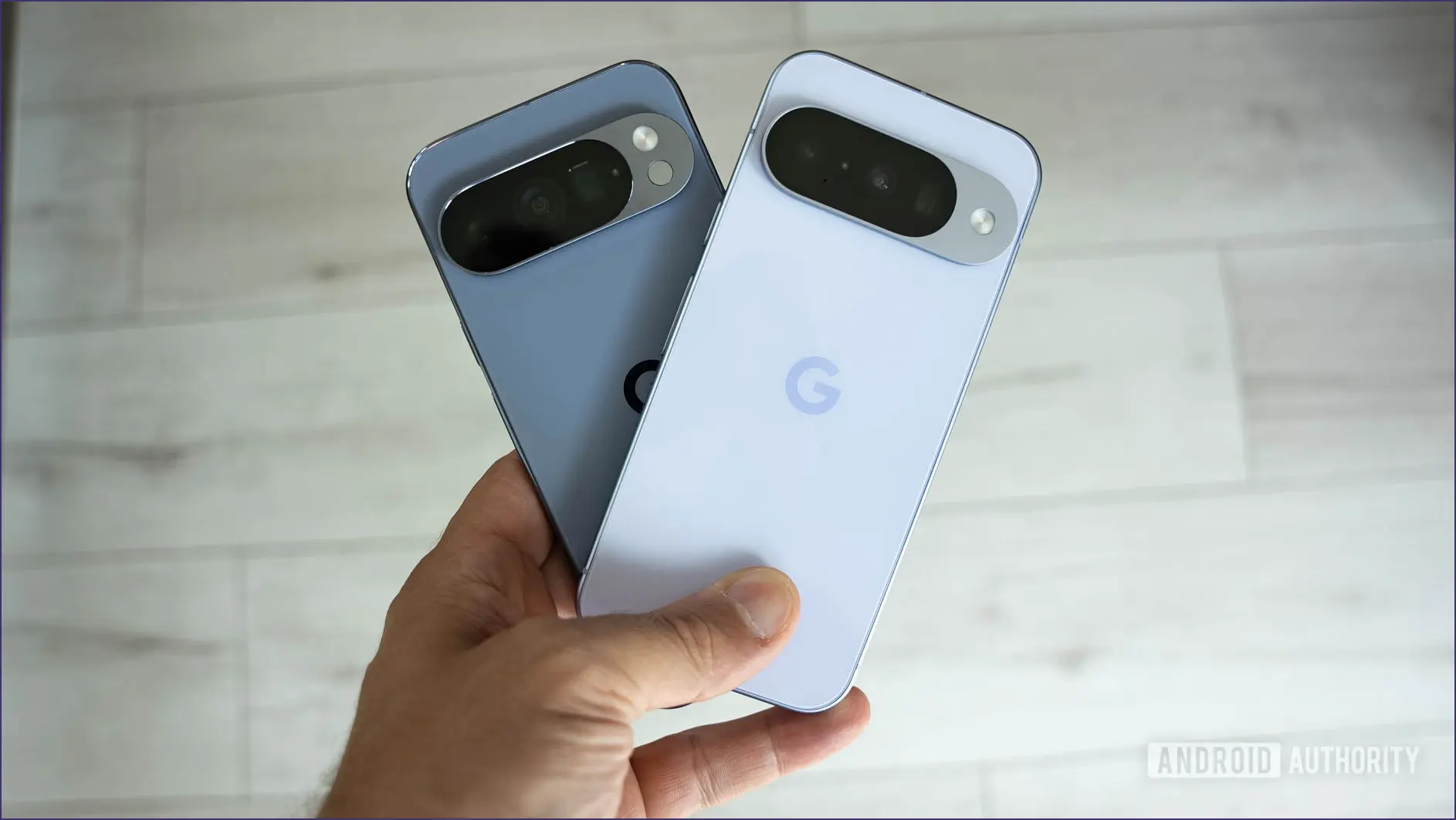
Concerns Over Google’s Smartphone Strategy
While I appreciate increased competition in the Android smartphone market, my initial enthusiasm for Google has shifted to concern. I once anticipated that Google’s presence would enhance stock Android offerings, but now I find myself wishing they would step back from the hardware arena.
Pixel-Specific Features and Market Dynamics
In recent years, various Android manufacturers have prioritized software differentiation over hardware. This approach encourages consumers to continuously upgrade to new models, despite ongoing support for older devices. For instance, Samsung often restricts certain features to newer models, even when older devices could support them. Google, too, has demonstrated a similar tendency, introducing exclusive features for its Pixel line that may not be available on standard Android.
Exclusivity and its Implications
Several features exclusive to Pixel devices should ideally be part of the broader Android ecosystem. For example, the advanced voice typing feature in Gboard, while available on Pixels, could enhance accessibility across all Android devices.
Commitment to Open Source Concerns
With Google’s role as a smartphone manufacturer, there is less motivation to actively support the Android Open Source Project (AOSP). Despite assurances that AOSP will continue, concerns persist regarding Google’s investment in this initiative. Recent delays, such as that of the Android 16 QPR1 source code, have sparked worries about the company’s dedication to open-source principles.
Regional Access Issues
Some may argue that to enjoy Pixel-exclusive features, one should simply buy Google’s hardware. However, Google’s hardware is not available in all regions. This limitation affects access to devices like Pixel smartphones and Home products. In places like South Africa, for example, the Google Store isn’t accessible, leading many to rely on third-party manufacturers to obtain Google features.
The Growing Divide in Feature Accessibility
As Google increasingly emphasizes Pixel-specific features while distancing itself from a genuine commitment to open-source Android, users in underrepresented markets may find it harder to access useful functionalities. The existing disparities could become even more pronounced with time, raising concerns over the equitable distribution of essential features.
The Impact on Android’s Future
While competitive forces in the smartphone market are generally beneficial, Google’s smartphone sales potentially hinder the future of Android. It was predictable that Google would tighten its grip on the platform after achieving significant market share, but this move contributes to a divide in access to vital Android features.
This paraphrase retains the core ideas while restructuring the text into a more concise format.
