


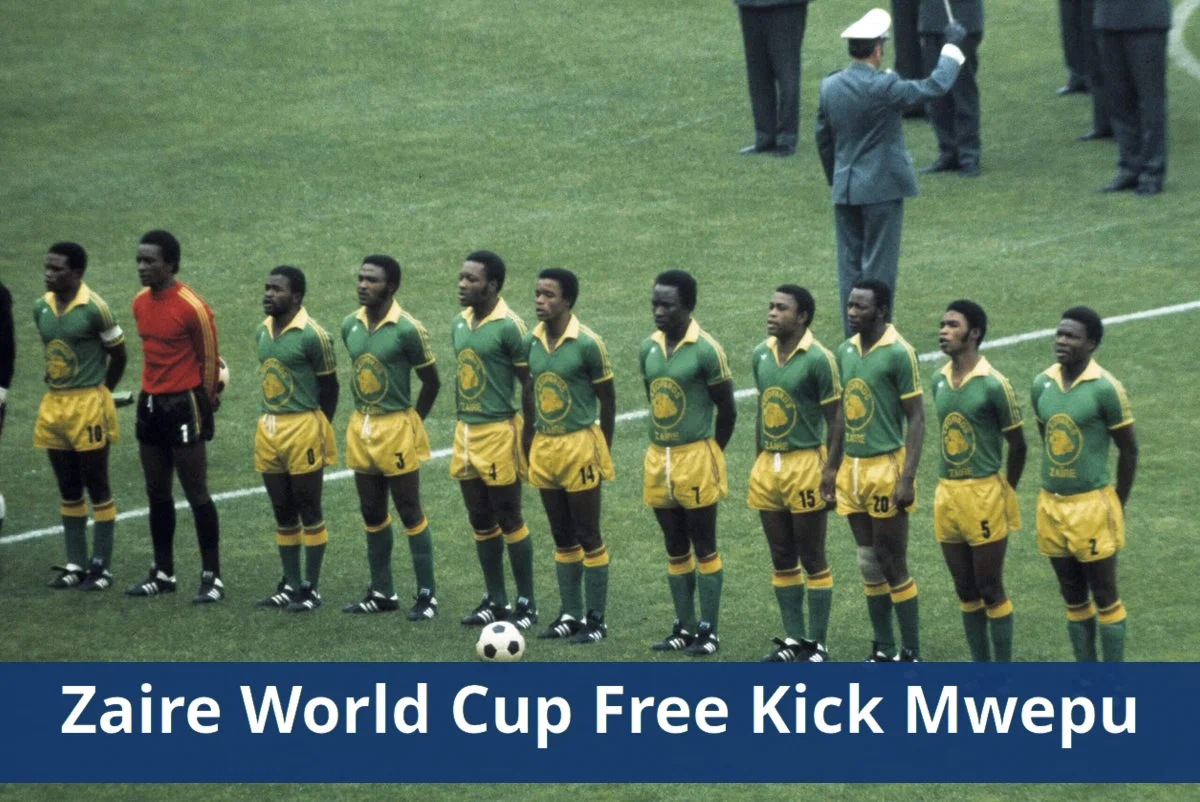
DR Congo played in the World Cup for the first time since 1974, according to The Athletic.
What happened
During a World Cup match between Zaire and Brazil in 1974, defender Mwepu Ilunga famously kicked the ball away before a free kick, leading to confusion. Referee Nicolae Rainea issued Ilunga a yellow card, baffling players and commentators alike. John Motson later described it as a “bizarre moment of African ignorance.”[1]
“I knew the rules very well,” Ilunga stated in a 2010 BBC interview. “I did that deliberately.”
Considered a blunder for decades, Ilunga’s actions reflected the deep-rooted complexities surrounding Zaire’s football team, under a dictatorship led by Mobutu Sese Seko. The incident overshadowed the team’s struggles during the tournament, following a harrowing campaign plagued by mismanagement and oppression.[3]
Why it matters
The episode highlights the historical context of Zaire’s participation in the World Cup. It reveals not only the personal struggles of players like Ilunga but also the broader implications of colonial attitudes that colored perceptions of African teams in international competitions. Such misunderstandings can perpetuate harmful stereotypes.
Background
On March 27, 1974, Zaire secured its place as the first sub-Saharan African nation in the World Cup by winning the Africa Cup of Nations. After a grand reception with Mobutu, the team faced immense pressure and conflicting promises regarding financial support.[2]
As Zaire prepared for the tournament in West Germany, morale plummeted. Players realized that the promised resources had dissipated due to the greed of officials, resulting in a disjointed and poorly motivated squad.
What’s next
As DR Congo advances to the knockout stages of the World Cup for the first time since that historical moment, they face ongoing challenges in redefining their football legacy. The team’s performance in upcoming matches will shape the narrative surrounding their reintegration into international competition.
