


Turmoil in China’s Military Leadership
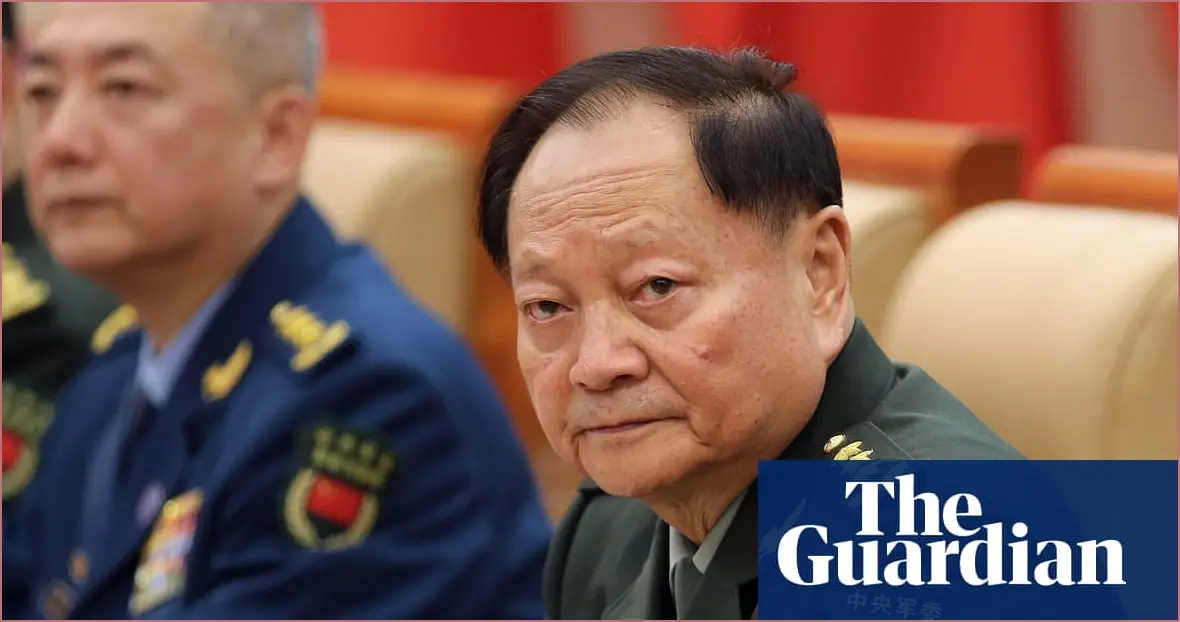
China’s military leadership is currently experiencing upheaval following the investigation of its highest-ranking general, Zhang Youxia, a close ally of Xi Jinping, for “suspected serious violations of discipline and law.”
Zhang Youxia’s Position
Zhang Youxia serves as the joint vice-chairperson of the Central Military Commission (CMC), the governing body of the People’s Liberation Army (PLA). Notably positioned as Xi’s closest military ally, Zhang has held significant authority within the military command structure.
Investigations Announced
On Saturday, the defense ministry declared that both Zhang and Liu Zhenli, the chief of staff of the CMC’s joint staff department, are under investigation. An editorial from the army publication, Liberation Army Daily, criticized them for “seriously betraying the trust and expectations” of the Communist Party and creating issues that threaten its leadership over the military.
Allegations of Corruption
According to a report from The Wall Street Journal, Zhang is accused of leaking information pertaining to China’s nuclear weapons program to the U.S. and accepting bribes for official decisions, including promoting an officer to defense minister.
Context of Purges and Political Stability
This move against such a senior figure as Zhang intensifies concerns regarding the stability of China’s military leadership, especially as there is ongoing scrutiny about its capabilities to act aggressively, particularly regarding Taiwan. Experts note that this purge may indicate larger issues of political stability within a rising nuclear superpower.
Continued Military Operations
Despite the turmoil, some security scholars assert that military operations will likely continue unaffected. China’s military modernization goals for 2035 and 2049 will persist, as advancements in capabilities remain a priority.
Zhang’s Military Background
Zhang, who joined the army in 1968 and rose through the ranks, has a history of combat experience, notably participating in the brief but intense Vietnam War in 1979. He has been recognized for his excellent performance in battle, reflecting his belief in modernizing military tactics and enhancing training for a better-equipped force.
