



The year 2015 was a challenging time for the Tales franchise. The release of Tales of Zestiria disappointed many gamers, despite its exciting combat mechanics. The plot felt lackluster, and the characters failed to leave a lasting impression for me.
In contrast, the 2017 follow-up, Tales of Berseria, serves as a story of redemption. Set a millennium before Zestiria, it features a revenge-driven narrative and a group of intriguing characters. The recently released Tales of Berseria Remastered brings a multitude of improvements that enhance the gameplay experience on the Switch, making it a worthwhile revisit even for returning players. However, fans expecting significant graphical upgrades may find themselves underwhelmed.
The narrative centers around Velvet Crowe, whose life is shattered when her younger brother, Laphicet, is sacrificed by the exorcist Artorius Collbrande in a cruel ritual. This tragic event sets Velvet on a path of vengeance against him, as she aims to stop his misguided efforts to eliminate daemons from the world.

Velvet’s antihero persona is a refreshing departure from the typical altruistic protagonists seen in previous Tales games, especially when compared to Zestiria’s goody-two-shoes hero, Sorey. [Editor’s note: The following sections discuss character arcs; skip two paragraphs if you want to avoid spoilers.]
Berseria boasts one of the strongest character lineups in the series, with deep and evolving relationships amongst the crew. Velvet encounters Laphicet, a boy whose emotions are suppressed by a curse from Artorious’s religious order, the Abbey. As she adopts him as her older sister, she aids in his emotional recovery while healing herself. This dynamic adds depth to both characters.
Another standout character is Eleanor, initially a devoted follower of the Abbey. Her journey of disillusionment and subsequent alignment with Velvet reveals her strong character development, making each character’s growth feel authentic by the time the credits roll.
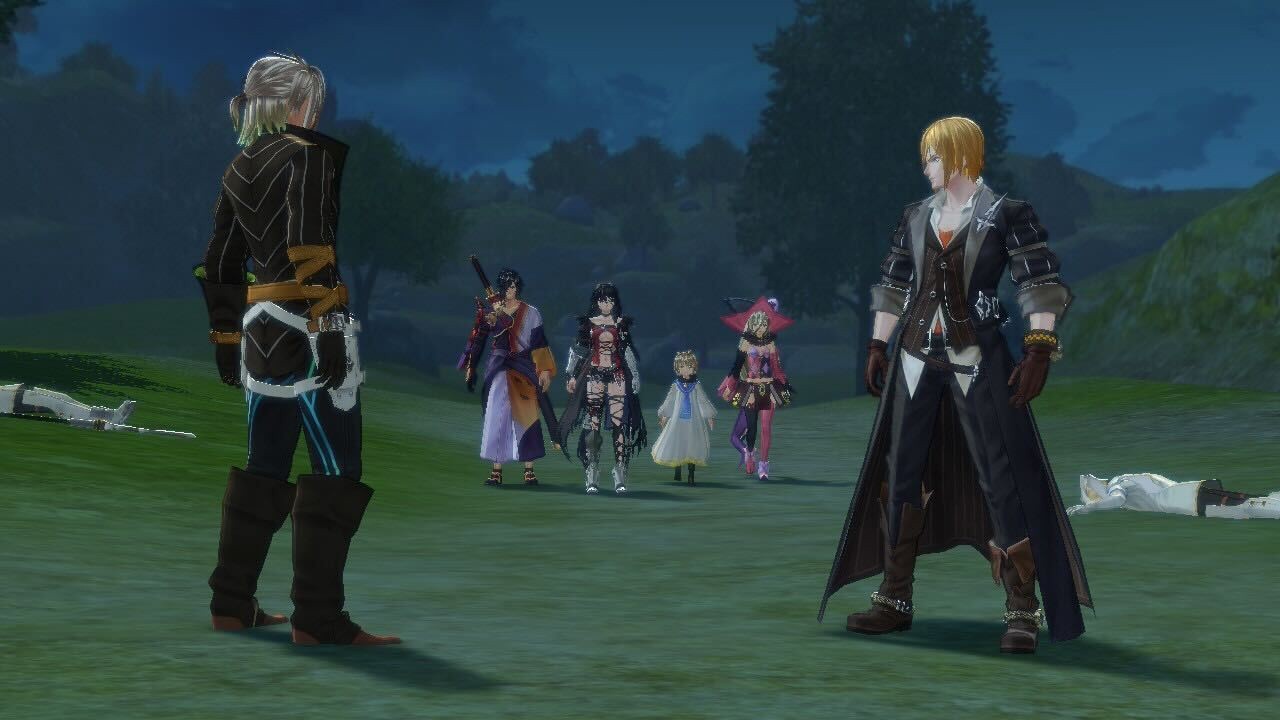
In addition to the main story scenes, optional skits provide further insight into character interactions and events, enhanced by excellent voice acting that brings these moments to life. The real-time action combat in Berseria is one of the series’ best implementations, featuring a Soul Gauge system that adds strategic depth to battles.
Conserving your Soul Gauge allows for powerful Break Soul attacks, delivering exhilarating cinematic moments amidst the chaos of combat. While the gameplay encourages a mix of offense and defense, the flexibility in crafting combos from the Arte Tree allows for creativity in combat. However, the original version suffered from excessive backtracking, diminishing the pacing of the game.
Fortunately, Berseria Remastered addresses these issues. Players can now obtain bottomless consumables early in the game, and running speed has improved by 20%, significantly enhancing the overall pacing. Additionally, the Grade Shop becomes accessible right at the start, offering returning players a chance to modify their experience for New Game Plus.
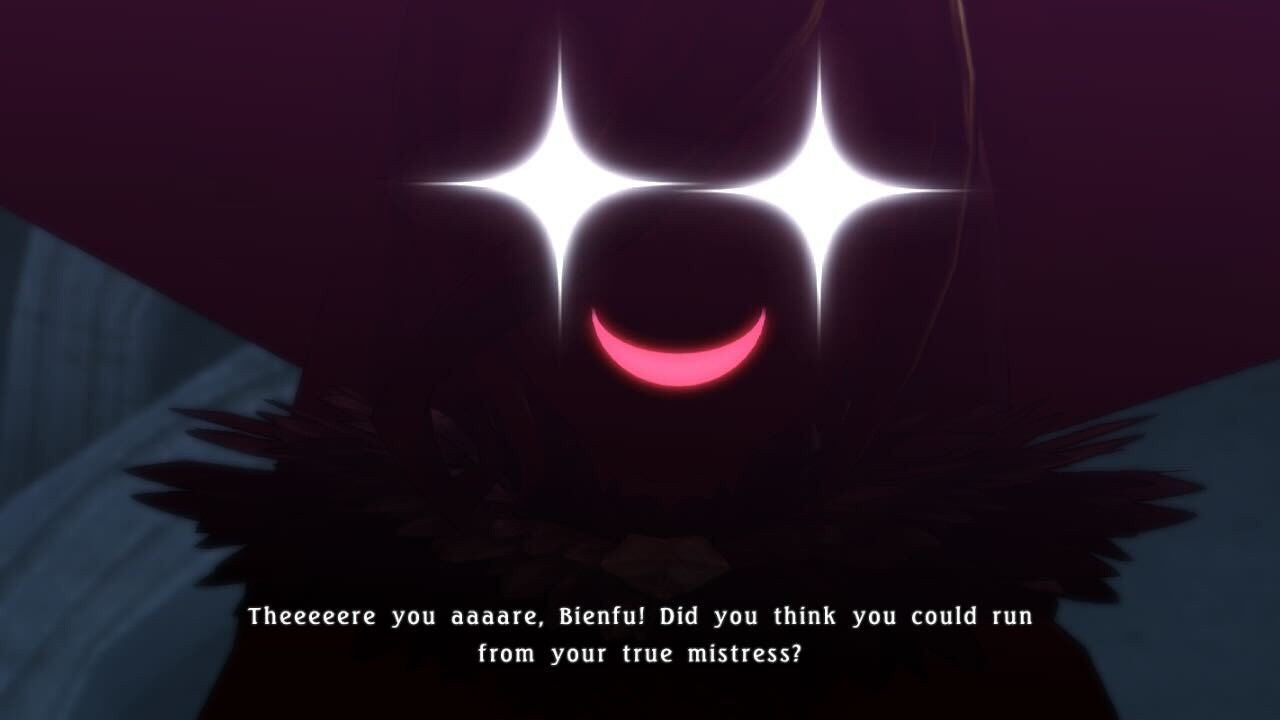
Despite being a solid Switch port, some technical issues persist, such as a frame rate capped at 30fps and frequent texture pop-ins noticed during gameplay on the Switch 2. While the performance remains generally acceptable, these drawbacks may be disappointing for players expecting a flawless experience.
Conclusion
Tales of Berseria stands as one of my favorites in the franchise, notable for its captivating narrative and engaging character roster. The gameplay continues to be enjoyable and has aged gracefully since its initial release nearly a decade ago.
This remaster enriches the game for veterans and offers newcomers plenty of fresh content. Although the port may not break new ground in terms of technical improvements, it remains a fantastic option for those wanting to embark on this journey on the go.
