


Conclusion of the Melbourne Grand Prix
The Melbourne Formula 1 Grand Prix has concluded for the year, prompting businesses and government officials in Victoria to consider ways to boost revenue as F1’s popularity rises. Event organizers will review their preparations, while F1 teams will conduct assessments post-race.
Shared Learning Between F1 and Military Organizations
Both Formula 1 and military entities are engaged in an intellectual struggle to adapt to a shifting landscape in their respective fields. The Australian Defence Force could particularly benefit from insights gained from F1, as survival—financially for F1 and literally for the military—depends on swift learning and adaptation.
Technological and Intellectual Learning
Learning within both sectors involves a blend of technology and intellectual effort. The interaction of advanced technology with human decision-making is key; while technology enhances the process, human creativity and initiative are essential for effective learning and adaptation. Creating incentives and improving training methodologies is critical.
Need for Rapid Adaptation
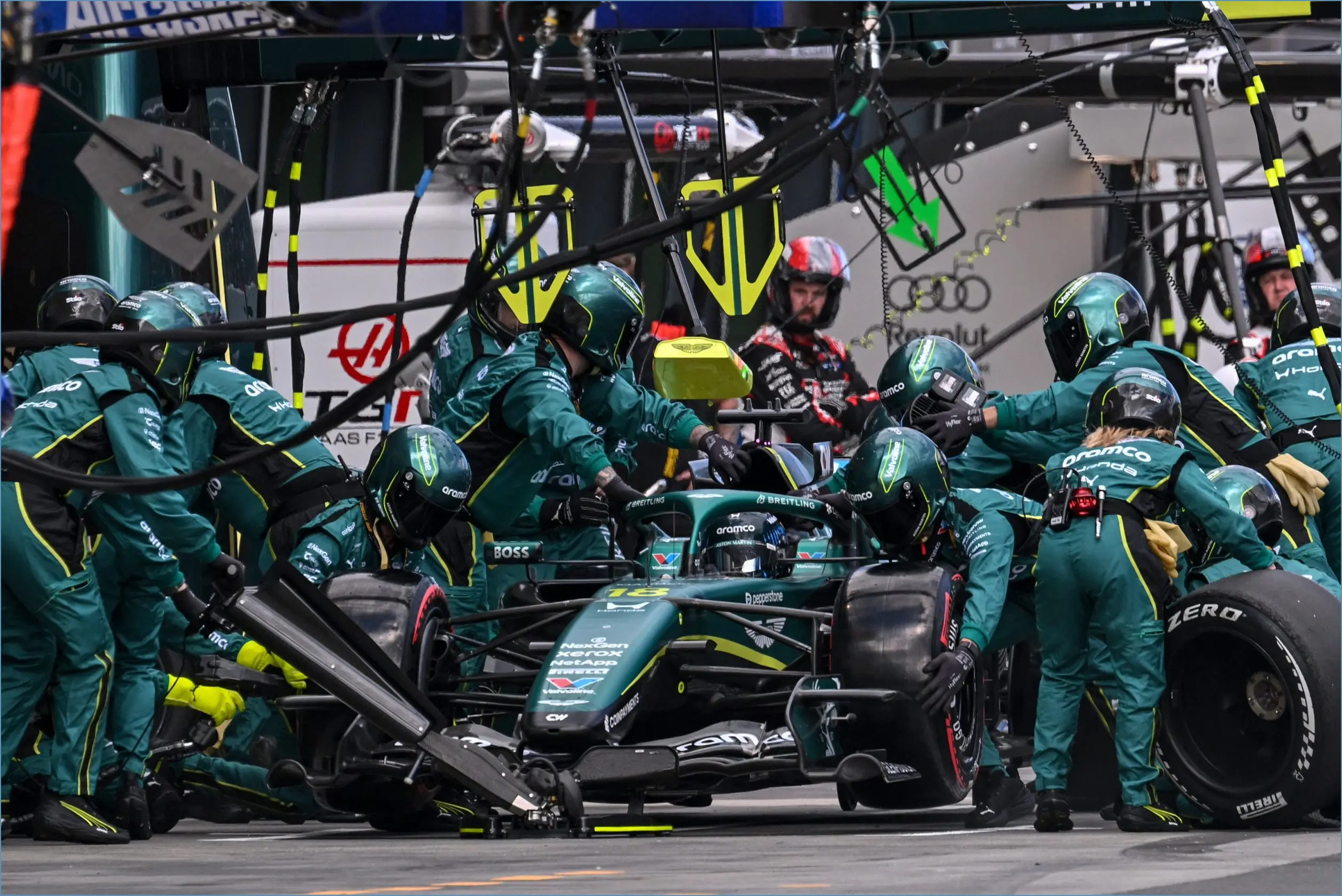
Both military and F1 organizations require quick learning and lesson-sharing. In warfare, the capacity to adapt faster than an enemy can be vital for survival. Similarly, in F1, the urgency to learn increases against 11 competing teams in tight timelines, especially as AI becomes more prevalent in both sectors.
Concurrent Learning Across Levels
In the military, it is essential that tactical, operational, and strategic learning occur simultaneously. Interaction among these levels is crucial. F1, too, engages in multi-level learning, from tactical adjustments on the track to operational conduct over race weekends and strategic updates throughout the season.
Imperfections of Insight
Both military and F1 teams face challenges in understanding their adversaries. In combat, enemies work to conceal their strategies, much like F1 teams continuously seek competitive advantages while obscuring their own tactics.
Opportunities for Collaboration
Despite being an unlikely pairing, F1 and military organizations possess valuable insights into learning and adaptation systems. Both are navigating technological disruptions and transformations in their operations. Collaborations could focus on data analysis with AI and strategic decision-making, particularly in high-pressure situations. Both realms stand to gain significantly from shared practices in training, adaptability, and technological advancement.
