


Budapest, Hungary
—
Changing Alliances in Hungary
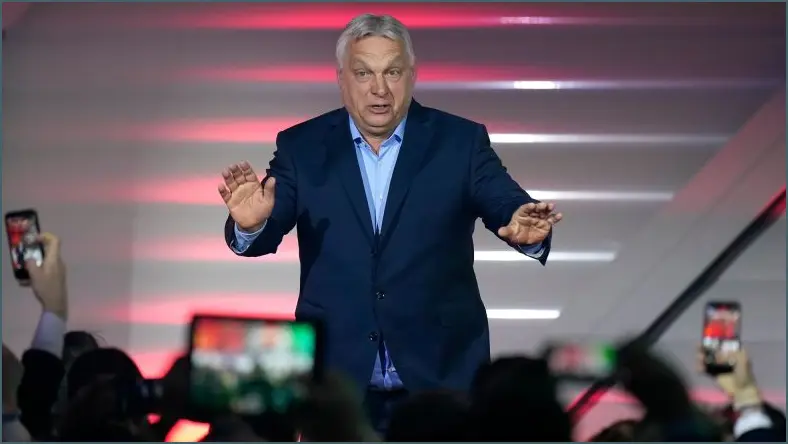
In the last few decades, the United States and Russia have seldom supported the same candidates in foreign elections, with Hungary’s Viktor Orbán being a notable exception. However, both powers misjudged their allegiance as Orbán ended up losing the election.
The Significance of Orbán
Orbán, a prominent figure among right-wing populists, was perceived by the White House as pivotal for promoting a nationalist agenda in Europe, while the Kremlin viewed him as a significant obstacle to the EU’s plans to support Ukraine and decrease reliance on Russian energy.
A Turning Point for Hungary
Following a significant defeat for Orbán’s Fidesz government, voters rallied behind Péter Magyar and the opposition Tisza party, leading to record voter turnout. Magyar’s campaign criticized the corruption associated with Orbán’s long tenure and advocated for better relations with the EU.
International Reactions
Magyar expressed urgency in addressing Hungary’s issues, stating, “Our country has no time to lose. Hungary is in trouble.” His victory not only represents a setback for Trump and Putin but also brings relief to European leaders who see a potential shift toward more collaboration with the EU.
Challenges Ahead
As Hungary’s new parliament convenes, Magyar faces substantial challenges, including revitalizing the economy and reducing Fidesz’s influence over media and judicial systems. Additionally, he will need to navigate the competing interests of the US, Russia, and the EU which have become deeply involved in Hungarian affairs.
Future Relations with Russia
While Magyar acknowledges Hungary’s reliance on Russian energy resources, he is determined to shift the country away from Orbán’s pro-Kremlin stance. He described Moscow as a threat and emphasized the need for Hungary to diversify its energy sources, although he hinted that current geographic realities would make complete independence challenging.
Conclusion
Overall, Magyar’s leadership is seen as a more pro-EU stance that may unify Hungary within the EU framework, contrasting sharply with Orbán’s tendency to align with Russian interests. This election result significantly reshapes Hungary’s international engagement, especially concerning its relationships with both Western powers and Moscow.
