


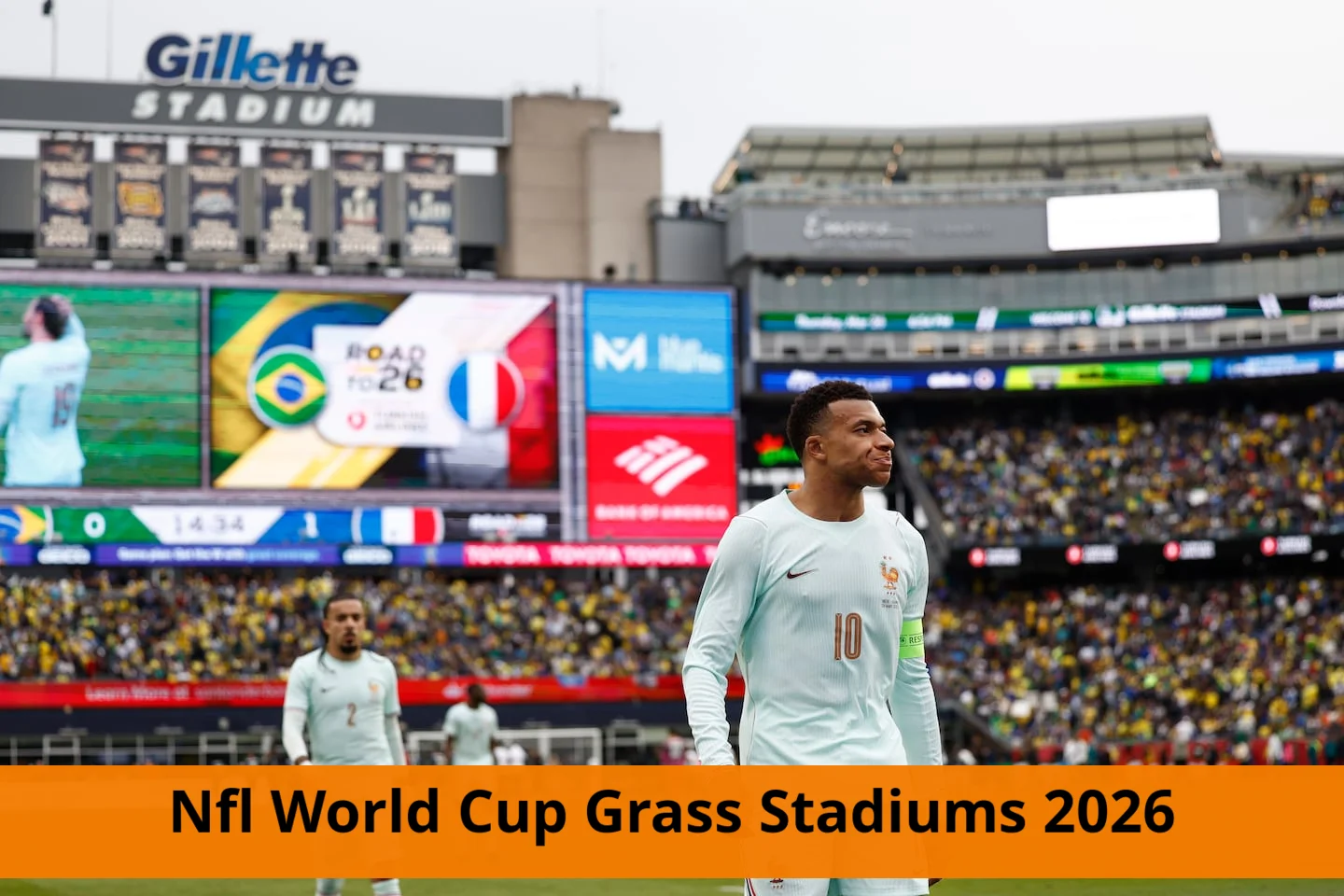
FIFA demands natural grass surfaces for the 2026 World Cup, according to the Boston Globe.
What happened
FIFA mandated that all 16 venues across the United States, Canada, and Mexico install natural grass fields for the 2026 World Cup. The grassroots efforts include a hybrid surface enhanced with synthetic fibers, similar to that used at Lambeau Field, recognized as one of the best.
The turf requirements have been standard in recent World Cups. NFL stadiums, including those in Miami, San Francisco, Kansas City, and Philadelphia, have already implemented natural grass. However, venues in New York, Atlanta, Houston, Dallas, Los Angeles, and Seattle required conversion this spring. FIFA also necessitated the addition of underground irrigation, ventilation, and drainage systems.[2]
Each venue faces unique challenges influenced by its location and environment. For instance, matches in Miami and Kansas City will experience heat and humidity, whereas indoor venues in Dallas and Houston present distinct hurdles for grass growth. An official in Dallas noted that their field transformation utilized 45,000 man hours and 15,000 tons of materials.[3]
Why it matters
The transition from artificial to natural grass is both costly and labor-intensive. The stakes are high for maintaining the quality of the playing surface throughout the World Cup. FIFA requires these stadiums to remain exclusive to the tournament, prohibiting other events to ensure that grass remains pristine.[1]
Failure to meet FIFA’s requirements could compromise the tournament’s integrity and risk damaging the grass before matches, which Pappas, an NFL turf expert, highlighted as a significant concern. He stated, “Once the grass goes inside, it’s really hard to make the grass better than the day it went in.”
Background
On May 27, 2026, the World Cup tournament begins, with a comprehensive focus on natural grass surfaces being a significant aspect of its preparation. The requirement for natural grass has evolved over the past several tournaments, affecting hosting capabilities and costs.
Preparations for transforming the stadiums were underway during the spring, ensuring that venues could host multiple matches across the tournament calendar and maintain the grass in top condition.
What’s next
Dallas is set to host nine matches from June 14 to July 14, while Atlanta will hold eight matches between June 15 and July 15. Challenges remain as each venue strives to keep the grass healthy for the duration of the tournament.
