


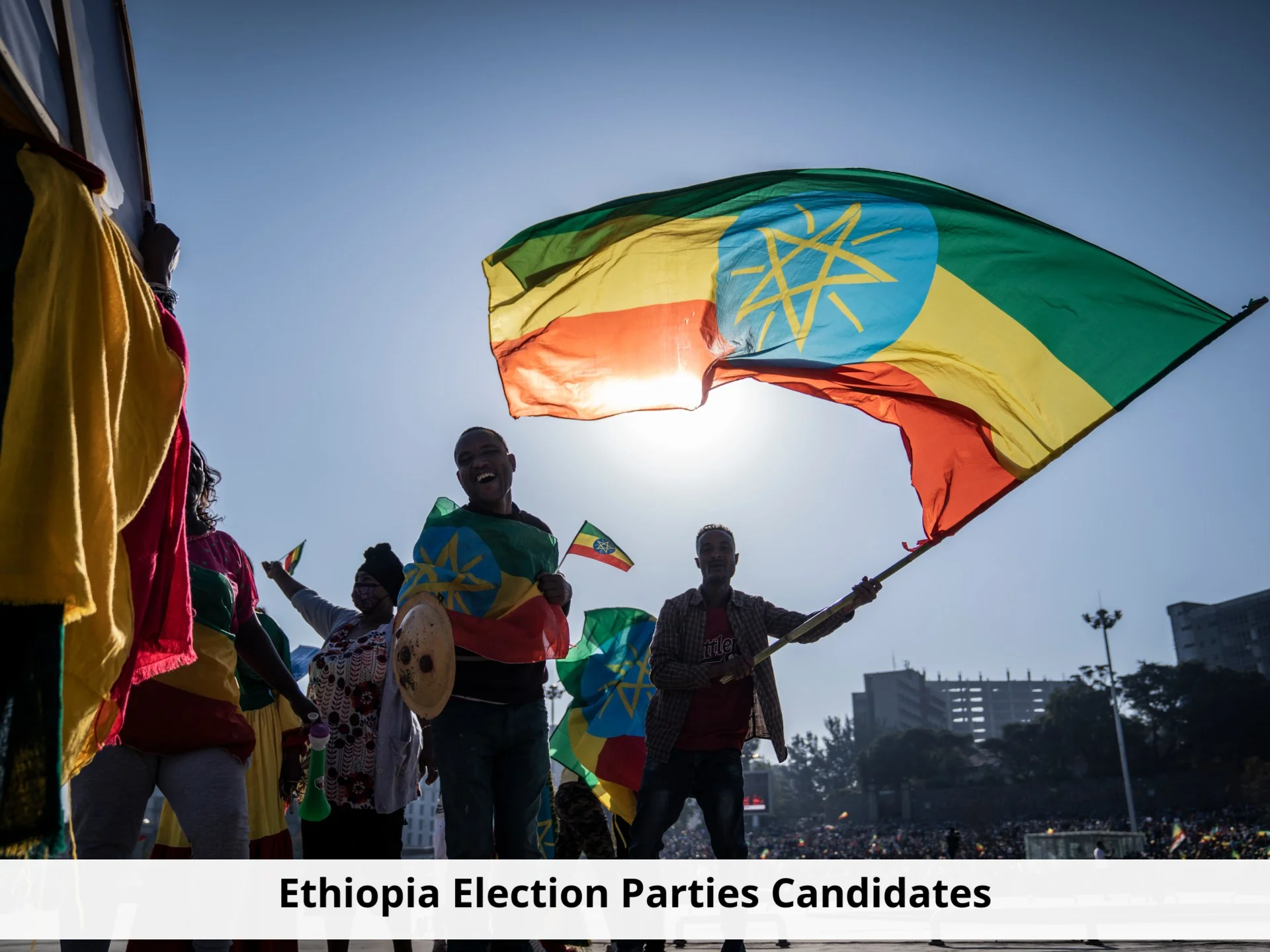
Ethiopians vote on Monday in a general election to choose members of parliament, according to News. This election will determine the federal government’s structure and the selection of the next prime minister in Addis Ababa, Ethiopia.
What happened
The National Election Board of Ethiopia (NEBE) reported that 47 political parties and over 10,900 candidates are contesting the election, including 2,198 for the federal parliament and more than 8,700 for regional and city councils. More than 50 million voters are registered, with women constituting approximately half of the electorate. The NEBE indicated that young Ethiopians, with a median age of about 19, form a significant segment of this voting population.[2]
The election includes ruling, opposition, regional, and independent candidates. The ruling Prosperity Party, led by Prime Minister Abiy Ahmed, is aiming to secure its position after previously holding a parliamentary majority. According to the party’s statements, it emphasizes national unity, economic reform, and state-led development.[1]
Why it matters
This election will define Ethiopia’s federal government composition and which party or coalition will exercise control over parliament. The elected members of parliament (MPs) will be responsible for choosing the prime minister, shaping governance at both federal and regional levels. The results will significantly influence the distribution of power within Ethiopia’s constitutional framework.[3]
Background
On May 23, 2021, the last general elections were conducted under Ethiopia’s federal parliamentary system, leading to the formation of the current government. The Prosperity Party emerged as the ruling party following these elections, bringing together various regional parties under a single political umbrella.
What’s next
Results from the Monday election will be closely monitored, as they will determine the new composition of parliament and the selection of Ethiopia’s next prime minister. NEBE will oversee the announcement of election outcomes in the following weeks.
