


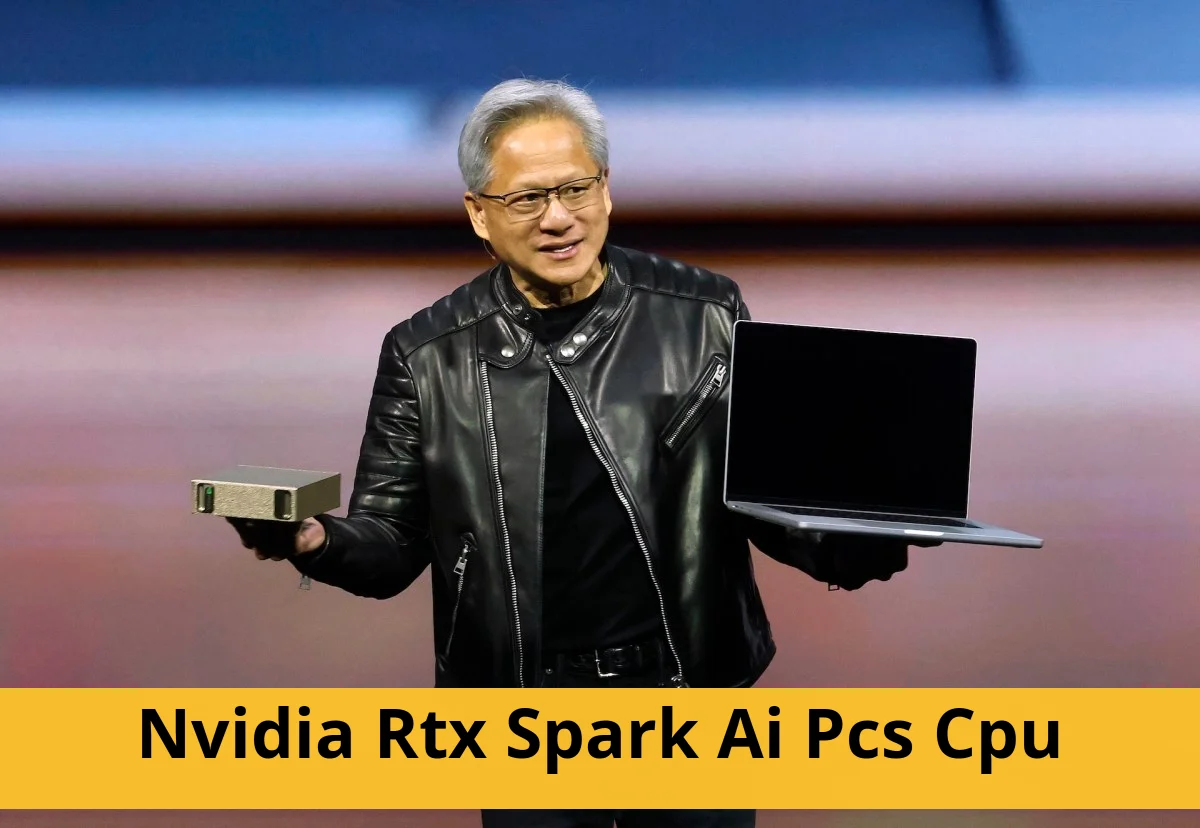
Nvidia unveiled a new PC CPU called the RTX Spark at the Computex trade show in Taipei on May 27, 2026, according to TechCrunch. This ‘superchip’ will power AI PCs designed for creators and gamers, with major brands like Dell and HP expected to launch these models this fall.
What happened
Nvidia’s RTX Spark is a 1-petaflop chip built to operate AI agents such as OpenClaw and Hermes Agent securely. The chipmaker announced that AI PCs running the RTX Spark will be available from several manufacturers, including ASUS, Dell, HP, Lenovo, Microsoft Surface, and MSI by fall 2026. Additional models from Acer and Gigabyte are also anticipated.
The PCs are equipped with secure sandboxes, developed in collaboration with Microsoft, providing secure operation for AI agents. According to Nvidia, the RTX technology promises enhanced performance for AI, improved image quality, and supports AI features across over 1,000 games and applications.
“With RTX Spark and Microsoft Windows, you ask — and the PC does the work,” said Nvidia founder and CEO Jensen Huang.
Why it matters
This launch positions Nvidia to tap into a projected $200 billion market for CPU sales in AI. Traditionally focused on GPUs, the company’s new strategy indicates a shift towards the CPU market, emphasizing the need for powerful computing solutions as AI integration expands across various industries.
Upgrading capabilities for AI content creation could reshape workflows for professionals, providing more efficient tools to enhance productivity. The success of these new PCs depends on their pricing and performance relative to existing options in the market.
Background
On May 20, 2026, during an earnings call, Huang indicated that Nvidia intends to support billions of AI agents, each requiring advanced tools like PCs, illustrating an expansive vision for AI technology’s role in daily operations. The RTX Spark builds on the momentum of Nvidia’s recent record-setting financial performance, which includes $20 billion in sales of its high-end server CPU, Vera, released earlier this year.
Previous attempts to introduce Nvidia ARM-based Windows devices, such as the Surface RT in 2013, resulted in significant losses for Microsoft, which wrote off $900 million. However, Nvidia’s advancements in chip technology may provide a more promising foundation for its current ambitions.
What’s next
Nvidia plans to launch RTX Spark-powered PCs this fall, following announcements from various manufacturers regarding their specific models and pricing details. This will help gauge whether these products will effectively compete with more affordable alternatives like the Mac Mini.
