


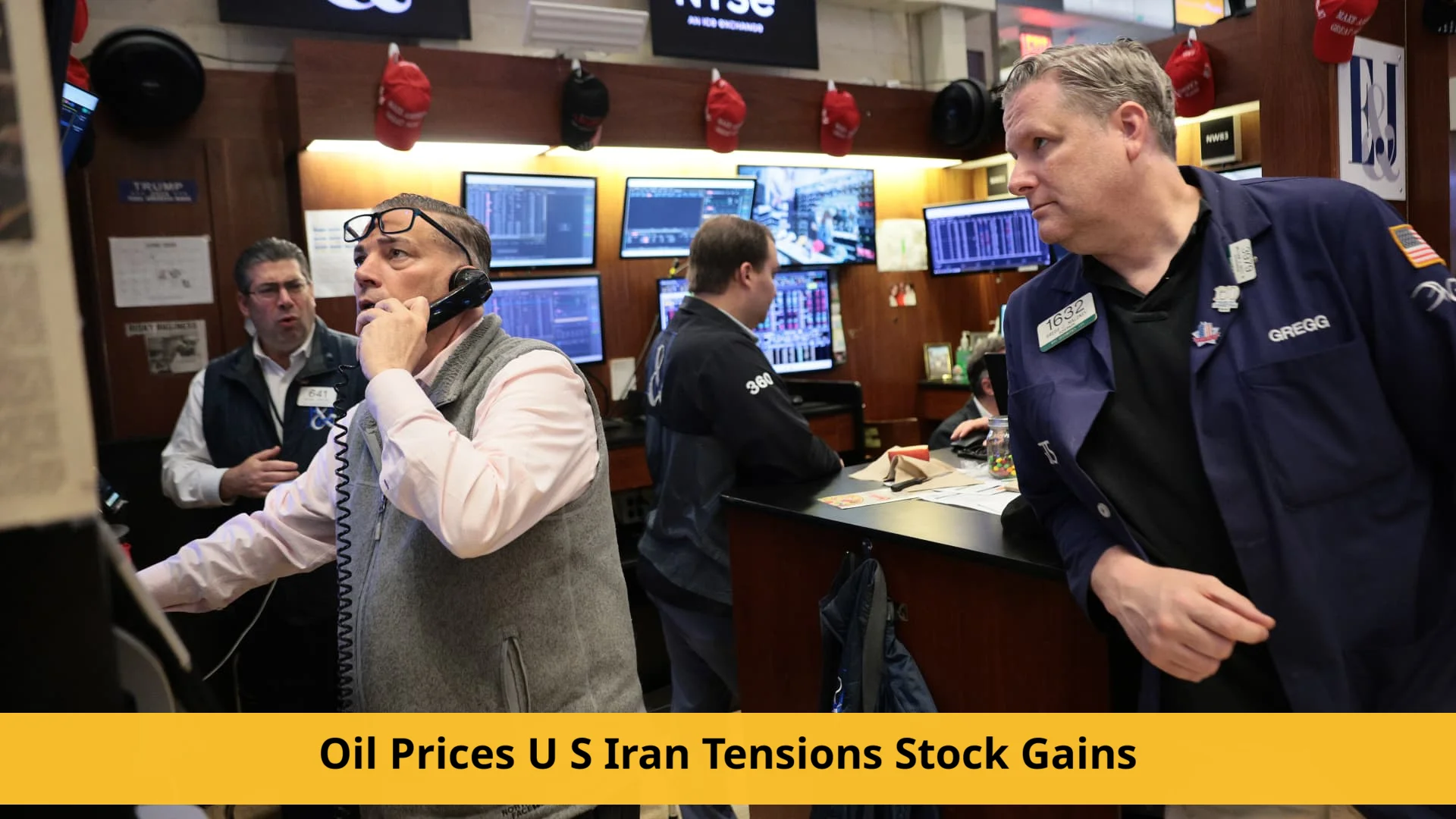
U.S. equities gained on June 10, 2026, following a rebound in chip stocks, according to CNBC. However, the advance was limited due to rising oil prices amid escalating U.S.-Iran tensions.
What happened
U.S. stocks rose on Thursday, driven by a recovery in chip stocks after earlier declines. The S&P 500 increased by 0.4%, the Nasdaq Composite climbed 0.5%, and the Dow Jones Industrial Average gained 248 points, or 0.5%. However, oil prices increased, influenced by U.S.-Iran hostilities.
West Texas Intermediate crude futures traded around $89 a barrel after President Donald Trump announced the U.S. would “attack Iran ‘VERY HARD TONIGHT.'” He also stated that the U.S. intends to “take Kharg Island, and other oil infrastructure points, and assume total control of their Oil and Gas Markets.”[2]
The U.S. Central Command executed various “self-defense strikes” against Iran, reportedly at Trump’s direction, according to a post on social media platform X. Amid these tensions, shares of Micron Technology, Advanced Micro Devices, and Intel saw gains, while the iShares Semiconductor ETF increased by 3%.
Why it matters
The fluctuations in U.S. equities and oil prices underscore the market’s sensitivity to geopolitical developments. Investors are keenly monitoring how tensions with Iran may impact oil supply and, consequently, inflation rates. Rising oil prices could heighten concerns about future economic stability.[1]
Background
On June 7, 2026, U.S. markets experienced a significant drop, with the Dow tumbling 953.33 points, or 1.87%. This decline came as tensions in the Middle East intensified. The tech sector, particularly chip stocks, had also faced pressure due to a previous 10% decrease.
On May 27, 2026, the U.S. Central Command had already increased military activity in the region amidst growing concerns about Iran’s influence and actions, setting the stage for the latest round of escalations.
What’s next
Investors will look forward to the release of next week’s economic data, including consumer price indices and employment statistics, which could further influence market dynamics amid ongoing geopolitical concerns.
