


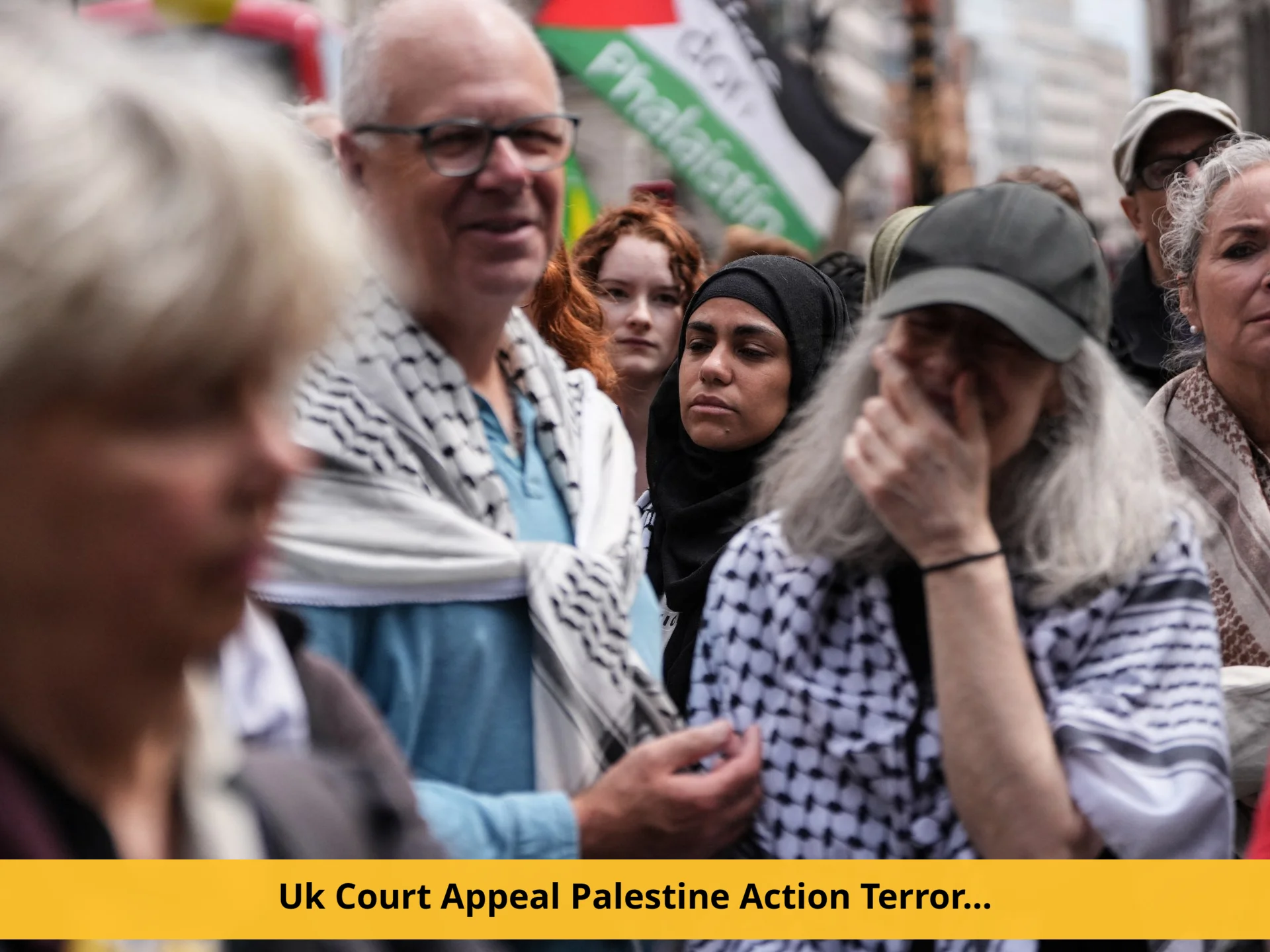
Britain’s Court of Appeal has upheld the government’s ban on the activist group Palestine Action as a “terrorist” organization, according to Al Jazeera. The ruling, delivered on June 15, 2026, reversed a previous decision by a lower court that deemed the ban unlawful and disproportionate.
What happened
The Court of Appeal ruled that the government’s proscription of Palestine Action was lawful and justified. The ruling followed an appeal by the government against a High Court decision made in February that found the ban imposed under the Terrorism Act 2000 was unlawful. Chief Justice Sue Carr stated, “We concluded that the proscription decision struck a fair balance,” allowing the home secretary’s appeal against the Divisional Court’s earlier ruling.
In response to the ruling, Huda Ammori, co-founder of Palestine Action, expressed determination to contest the decision, stating, “I will fight proscription all the way” to higher courts, including the Supreme Court and the European Court of Human Rights. Since the ban was enacted on July 5, 2025, over 3,000 arrests associated with support for the group have been reported.
Why it matters
The court’s decision holds significant implications for freedom of expression and the right to protest in the UK. By labeling Palestine Action as a terrorist organization, the government has the authority to impose severe penalties, potentially up to 14 years in prison for membership or support. Critics argue that the ban represents a troubling trend in government attempts to suppress dissent and restrict civil liberties.
Background
On July 5, 2025, the UK government officially banned Palestine Action, citing concerns over its direct-action tactics and alleged promotion of violence. The decision sparked widespread protests and significant public opposition. In February 2026, a High Court ruling declared the ban unlawful, asserting that it did not meet necessary legal standards, prompting the government’s subsequent appeal.
