


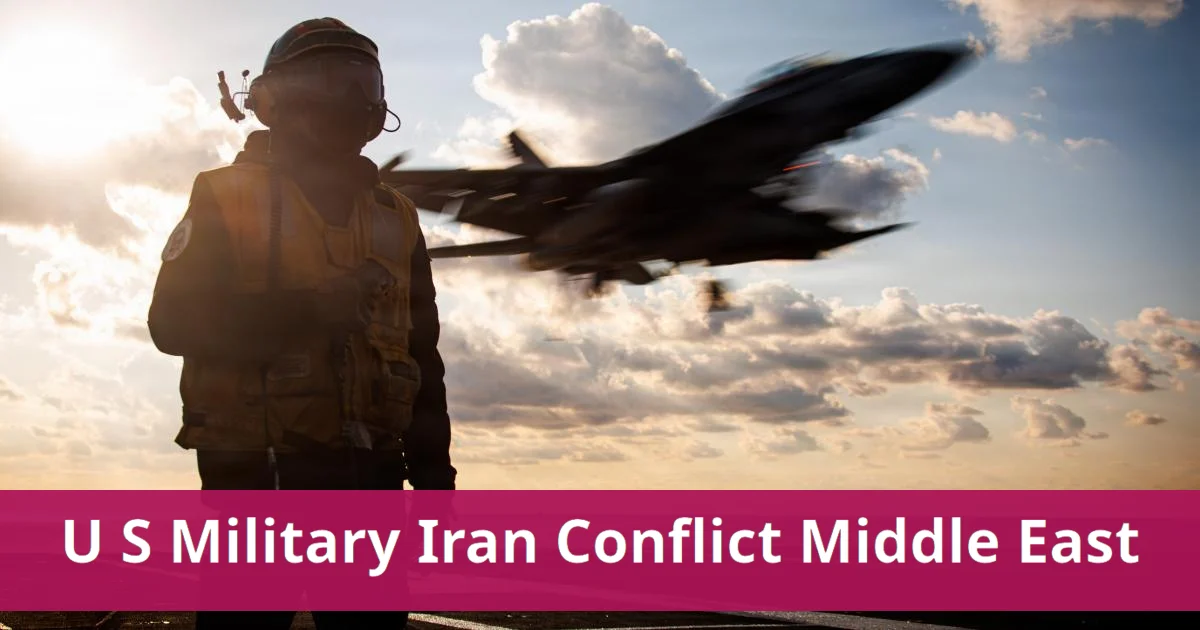
The United States military has demonstrated unmatched operational capabilities against Iran during the ongoing conflict, according to CR Today. Since the commencement of Operation Epic Fury, the U.S. has flown over 10,000 air sorties and targeted more than 130,000 sites in Iran, achieving significant tactical successes.
What happened
Throughout the U.S.-Israeli war against Iran, Washington showcased its conventional military superiority, executing significant tactical operations. President Donald Trump’s administration reported that prior to the April 8 cease-fire, the U.S. alone conducted over 10,000 air sorties, targeted more than 130,000 positions, and intercepted 1,700 Iranian missiles and drones. According to U.S. Central Command, the campaign resulted in the destruction of over 85 percent of Iran’s missile facilities and 70 percent of its launch infrastructure.[2]
However, Trump’s broader strategic goals—such as the complete surrender of the Iranian regime and the elimination of its regional influence—have yet to materialize. The Iranian government has shown resilience, adapting its strategy to maintain a formidable presence. The Pentagon’s operations, while successful tactically, exposed systemic flaws in U.S. foreign policy, particularly in securing international consensus against Iran’s asymmetric military tactics.
“The nature of Iran’s threat has changed in ways Washington was not fully prepared to counter,” experts noted.
The trust deficit between the U.S. and its Gulf partners has also widened, jeopardizing long-term strategic goals. A lack of clear security commitments from Washington has left Gulf states questioning the reliability of U.S. support, especially as they face increasing Iranian threats.
Why it matters
The ongoing conflict highlights the limitations of U.S. military strategies in the region. Although operational successes were achieved, the inability to translate these into strategic victories poses a significant challenge. The conflict has weakened the U.S.’s role as the primary security guarantor in the Middle East, as stakeholders seek assurances amid rising tensions with Iran.[3]
Additionally, the U.S.’s involvement in the conflict has drained its military resources, raising concerns about its capacity to engage in future conflicts effectively. The escalating situation threatens U.S. partnerships in other regions and encourages adversaries, further complicating global security dynamics.
Background
On May 20, 2026, U.S. forces initiated Operation Epic Fury, aiming to dismantle Iran’s military capabilities in response to escalating tensions. Previous military engagements in the region, such as the wars in Iraq and Afghanistan, laid the groundwork for the current posture. As Washington became increasingly aware of Iran’s military advancements, strategic adjustments were made, including the establishment of the Western Access Network for more agile U.S. presence.[1]
The 2020 Abraham Accords had opened avenues for military collaboration between the U.S. and its Middle Eastern allies. However, despite this framework, the failure to form a robust coalition before the war proved detrimental, complicating U.S. efforts to counter Iranian tactics.
What’s next
Moving forward, the U.S. is expected to revise its military strategies and enhance partnerships with Gulf allies, seeking to solidify a collective defense framework. Plans are in motion to formalize multilateral security cooperation, aiming to adapt to the evolving threats posed by Iran. Specific discussions are anticipated at the upcoming military summit scheduled for June 15, 2026.
