


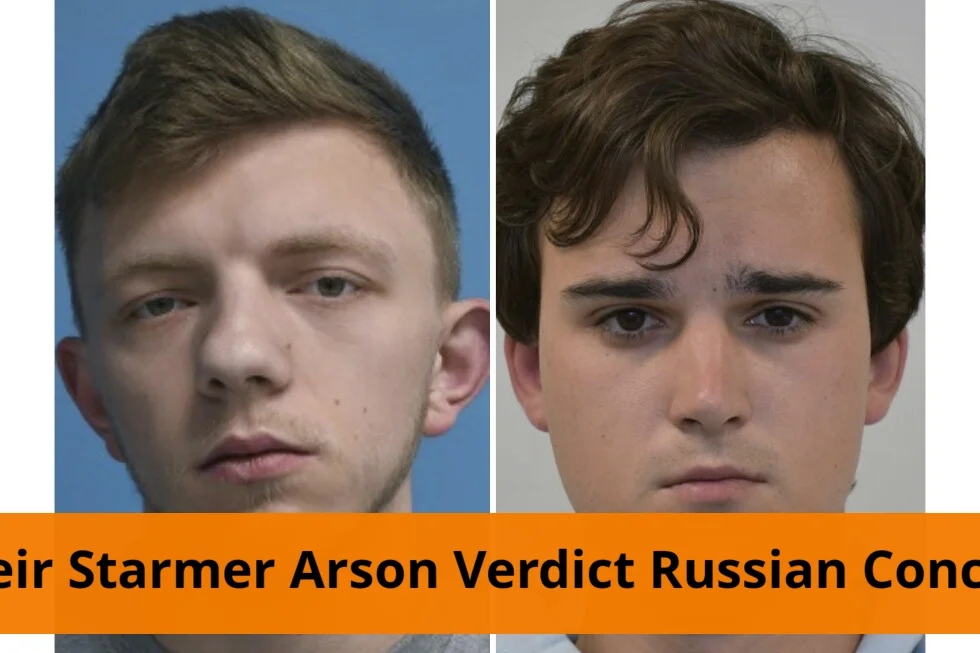
A recent arson verdict in London has amplified concerns regarding Russian-backed activities in Europe, according to the Associated Press.
What happened
On May 27, 2026, Roman Lavrynovych was found guilty of arson after targeting properties linked to British Prime Minister Keir Starmer. The attacks, described as part of a broader pattern of sabotage, involved attempts to set fire to Starmer’s former car and two homes associated with him. His accomplice remains unnamed.
“It must be a bit of a frustration that no part of this case has really looked into the devil in the background,” said Lavrynovych’s lawyer.
Experts, including Cmdr. Dominic Murphy, believe the incidents align with Russian state-backed sabotage. However, the lack of solid evidence linking the Russian state to these specific acts makes accountability challenging. Commanders note, “There is a difference between proving something in court and assessing attacks in the context of classified intelligence.”
Why it matters
The implications of these attacks extend beyond the immediate threat of violence. Analysts argue that such acts undermine public confidence in governmental institutions and can provoke broader social unrest. European officials indicate that Russia is exploiting vulnerabilities in Western countries, especially those supportive of Ukraine.[2]
Background
On May 20, 2025, Lavrynovych commenced the attacks under the guidance of a handler identified as “El Money,” a figure believed to be linked to Russian intelligence. The initial investigation, overseen by Murphy, highlighted a series of similar incidents across Europe since the 2022 invasion of Ukraine, totaling at least 192 documented attacks involving arson and cyberattacks.[3]
What’s next
Further investigations into the connections between these incidents and Russian state activities are ongoing, with counterterrorism police expected to release more findings in the coming months.
