


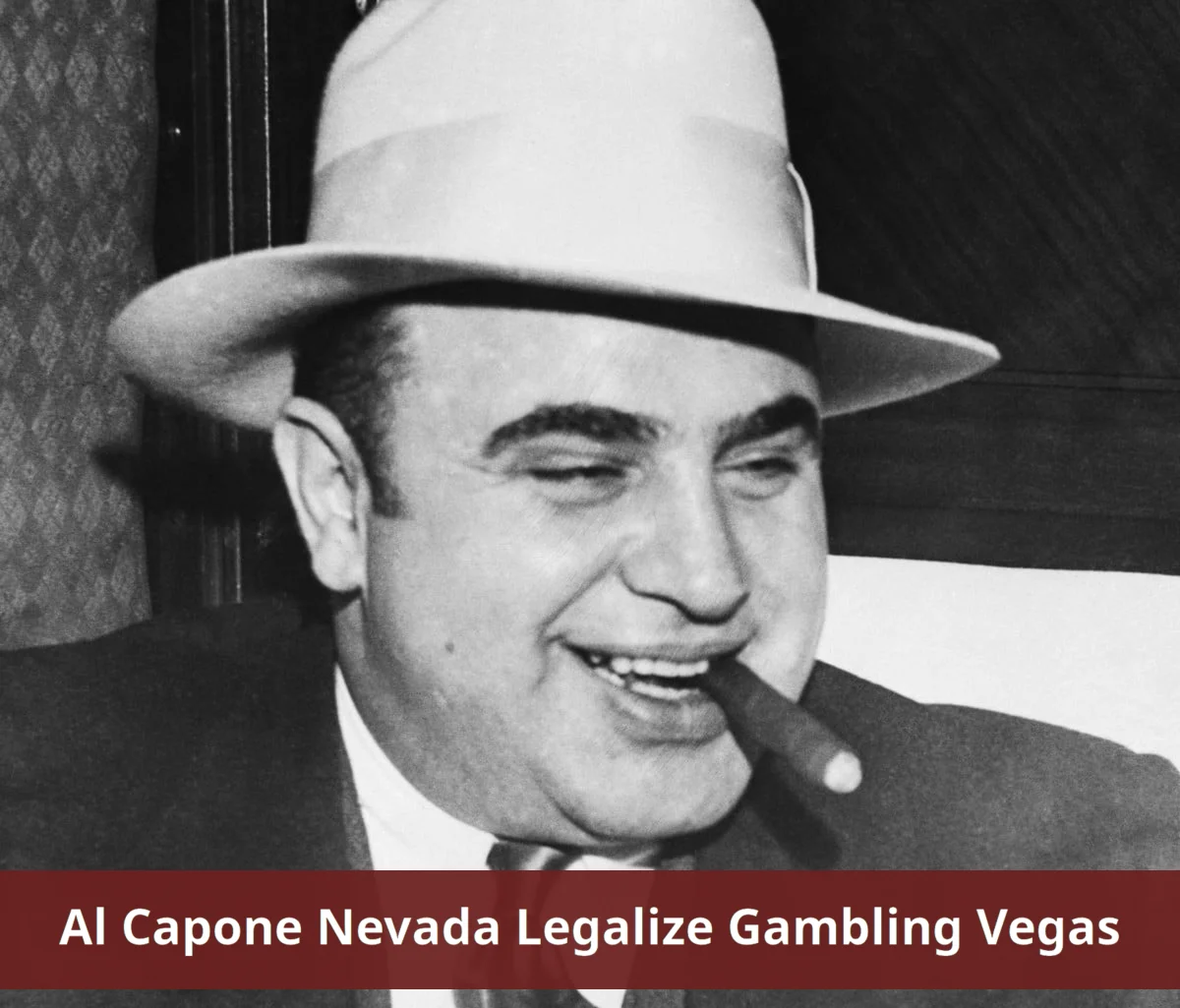
The claim that Chicago crime boss Al Capone bribed Nevada lawmakers to legalize gambling is unfounded, according to Casino.org. The assertion has circulated widely but lacks credible evidence, with historical records remaining silent on the matter.
What happened
The idea that Al Capone influenced Nevada’s gambling legalization is frequently cited; however, an investigation reveals no substantial proof backing this claim. “There isn’t any,” said a recent report. Apart from a self-published book by Capone’s grandniece, no documents or credible accounts support the assertion.
Capone would have likely attracted attention if he had bribed officials in Carson City, the state capital, during a time when the political landscape was small. “The historical record is completely silent on this story,” the report noted. Nevada legalized gambling on March 19, 1931, primarily due to its financial struggles amid the Great Depression.
Why it matters
The proliferation of the Capone bribery myth underscores the challenges of discerning truth in historical narratives. Many family accounts can easily be mistaken for factual history without supporting evidence. Misinterpretations can shape public perception and influence cultural narratives about significant events.
Background
On March 19, 1931, Nevada legalized gambling as a response to a collapsing mining economy. Tax revenue had diminished significantly during the Great Depression, making vice taxation an appealing alternative. Despite various claims, no credible links exist between Capone and Nevada’s decision to legalize gambling.
The claim of Capone’s involvement gained traction due to Dierdre Capone’s 2010 self-published book, which suggests her grandfather’s unverified accounts illustrate Capone’s influence in Las Vegas. However, these claims are not substantiated by credible historians or documents.
What’s next
Future discussions on the subject may address ongoing misconceptions about Las Vegas history and further clarify the events surrounding gambling legalization. Researchers and historians will likely continue to debunk myths surrounding prominent figures like Al Capone.
