


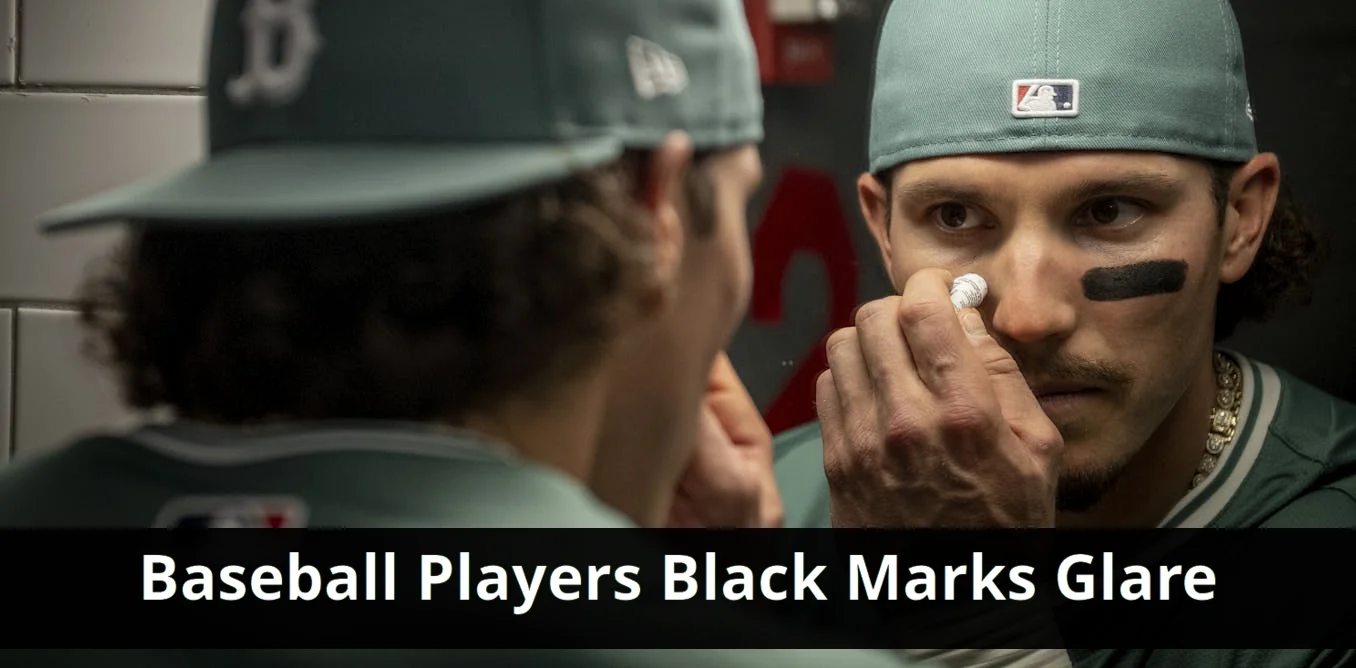
Baseball players apply black marks under their eyes, according to The Conversation. The practice, which aims to reduce glare from sunlight or stadium lights, has become a common sight in outdoor sports, including baseball and football.
What happened
Many athletes use black stripes under their eyes to enhance visibility on the field. This tradition has roots in sports culture and is believed to help players focus better during games, particularly when bright lights and sunlight are present.
Eye black, typically made from grease or stickers, absorbs light instead of reflecting it. The use of eye black is not just for style; it is a response to the practical need for better vision during crucial game moments. As one expert noted, “Baseball players want every advantage they can get” when the stakes are high.
Why it matters
In fast-paced sports like baseball, a slight visual advantage can make a significant difference. Players rely on every tool and method available to them, as even a momentary lapse in sight can impact game outcomes. The continued use of eye black indicates its perceived value among players.
Background
The history of eye black dates back over a century, with early adopters like Babe Ruth reportedly using burned cork. By the mid-1900s, the practice had gained traction among athletes, becoming a staple in outdoor sports.
Studies on the efficacy of eye black have produced mixed results. Some research suggests it can reduce glare and improve contrast sensitivity, while other studies find the benefits to be minimal. Nonetheless, athletes continue to use it, believing that every small advantage counts.
What’s next
As the baseball season progresses, players will likely continue to use eye black as part of their routines, maintaining its place within the culture of the sport. Future studies may further investigate the impact of eye black on performance and visibility in various sports settings.
