


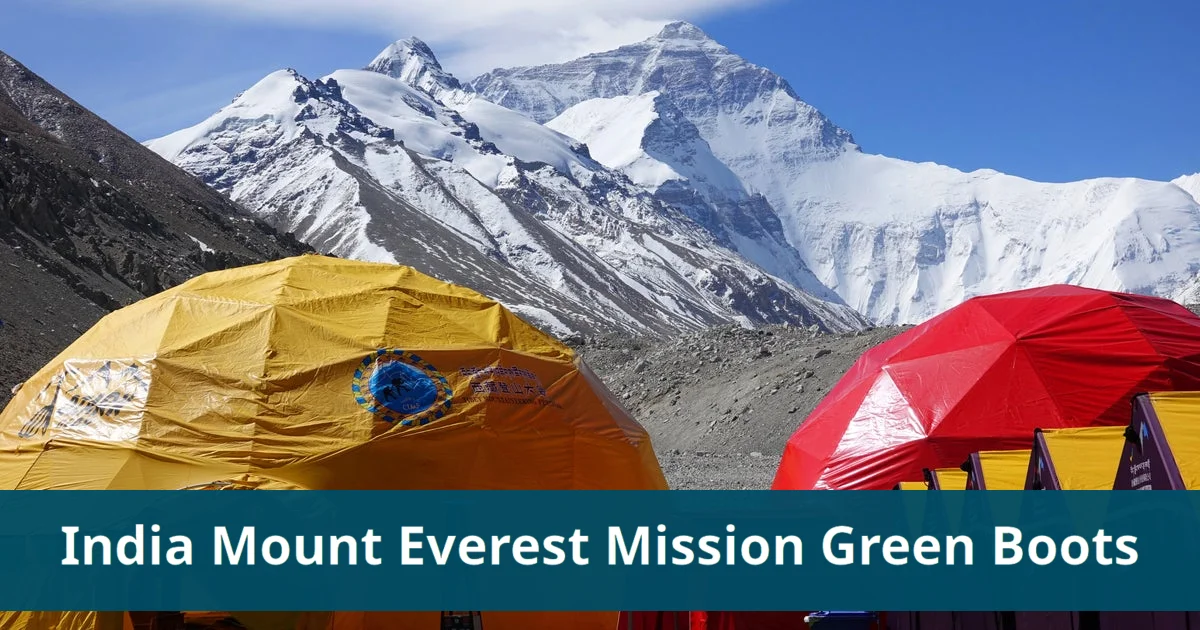
Indian authorities are planning a high-risk operation to recover the frozen body of climber “Green Boots” from Mount Everest, according to CBS News. This mission aims to bring the remains, believed to be on the mountain for nearly 30 years, to Delhi by October 2026.
What happened
The Indo-Tibetan Border Police is soliciting bids from high-altitude recovery agencies for the challenging operation on Everest’s northern slope. A tender document specifies that the contracted team must retrieve the body within a specific timeframe. “For the whole rescue team this is high risk,” said Tshiring Jangbu Sherpa, founder of Everest Sherpa Expedition.
Sherpa, who has successfully reached the Everest summit multiple times, indicated that it might take a highly trained, 10-person team up to a week to complete the recovery. “It would be impossible to even attempt the operation until the spring due to the weather conditions,” he added, raising concerns over the tight June-October timeline outlined in the tender document.[3]
Why it matters
The attempt to recover the remains of “Green Boots” sheds light on the larger debate surrounding the more than 200 bodies believed to remain on Mount Everest. This issue raises ethical considerations about whether the deceased should be retrieved or left on the mountain due to the risks involved in recovery missions.[2]
Some climbers prefer to be left where they died, while others, like Sherpa, argue that recovery efforts are essential for providing closure to the families of the deceased.
Background
On May 10, 1996, a group of climbers, including Tsewang Paljor, faced a sudden storm while attempting to summit Everest. Their ordeal was chronicled in Jon Krakauer’s book “Into Thin Air.” While three climbers from the group continued toward the summit, they did not return, leaving Green Boots as the only identifiable body. Recent documents indicate the remains are attributed to Indian soldier Dorje Morup, confirmed through DNA testing.[1]
What’s next
The Indo-Tibetan Border Police is expected to finalize agreements with recovery teams soon, as the tender requires the operation to be completed by October 2026.
