


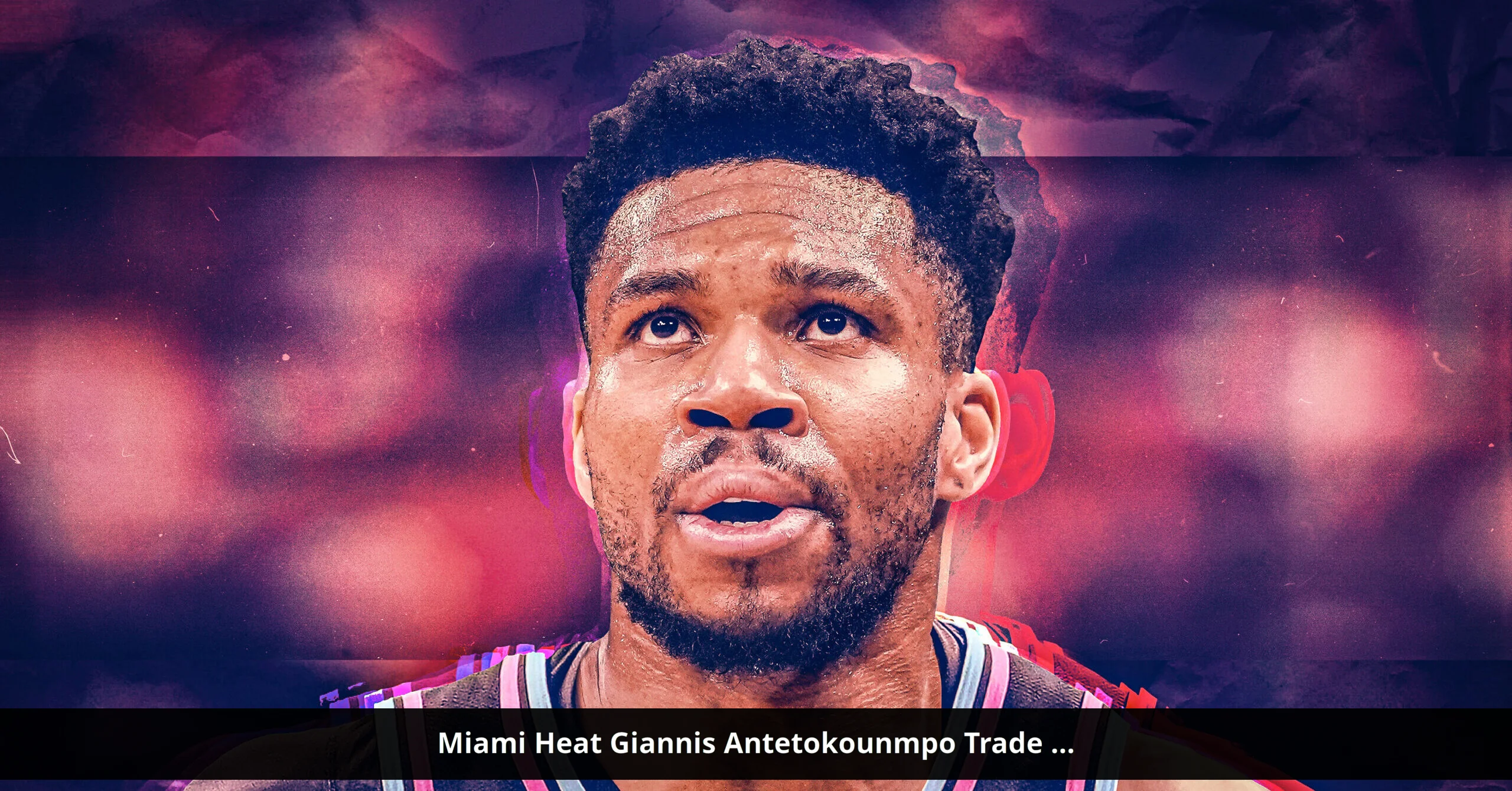
The Miami Heat traded for Giannis Antetokounmpo, boosting their championship aspirations, according to The Ringer. The move comes as part of a bold strategy by Heat president Pat Riley, aiming to reshape the team as they seek another title in the upcoming NBA season.
What happened
The Miami Heat have finalized a significant trade that brings two-time MVP Giannis Antetokounmpo to South Beach. The deal cost the Heat Tyler Herro, Kel’el Ware, Jaime Jaquez Jr., Kasparas Jakucionis, and several draft picks. Riley has built a reputation for acquiring top talent, and this move aligns with previous high-profile trades.[1]
However, the acquisition of Antetokounmpo raises concerns about his age and injury history. At almost 32, his physical capabilities and price tag are points of contention, especially after Miami’s substantial trade package. “The Heat just signed up for a massive overpay,” the report stated, noting the team’s risks amid changing league dynamics.[2]
Why it matters
This trade highlights a growing trend in the NBA: the difficulty in constructing a winning team around aging superstars. Recent playoffs demonstrated that younger teams, such as Oklahoma City and San Antonio, dominate the competition. The balance of talent is shifting, placing pressure on older players to perform at high levels with hefty contracts.[3]
The stakes are high for Miami. With Antetokounmpo’s impending extension eligibility, the Heat face a pivotal decision. If he signs a $275 million extension, it could represent 35 percent of the salary cap by the time he turns 36, potentially detrimental to roster building.
Background
On May 27, 2026, the trade was officially announced, marking a shift in the Heat’s strategy as they look to reclaim their former glory. Earlier this season, Miami had struggled to compete among younger, deeper teams, fueling the urgency for this bold move. Riley’s prior successes have intensified the expectations surrounding this trade.
What’s next
Antetokounmpo is set to become extension eligible during the upcoming season, and his decision will have major implications on the Heat’s cap space and future strategy. The team aims to leverage his talent to attract younger players while maintaining competitive depth in a rapidly evolving league.
