


Controversial Video Assistant Referee (VAR) decisions marred the group stage of the 2026 World Cup, according to Al Jazeera.
What happened
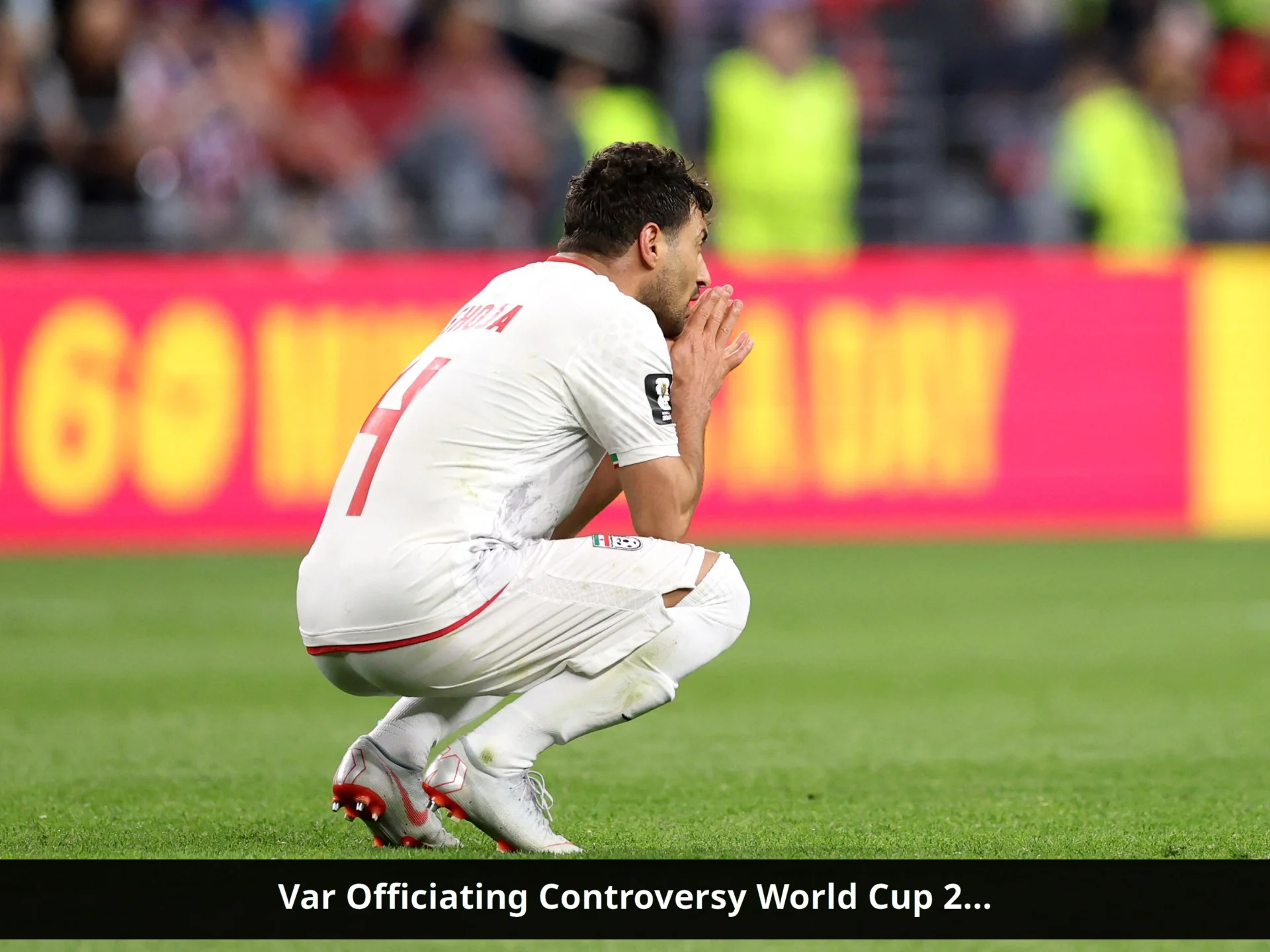
Several officiating controversies arose during the group stage of the 2026 World Cup, impacting teams’ chances for advancement. Notably, in Iran’s match against Egypt, a stunning equalizer by substitute Shoja Khalilzadeh was disallowed after a VAR review ruled him offside by a mere millimeter.[2]
“VAR left Iranian joy quickly turned into heartbreak,” the report noted.
In another match, Colombia felt robbed when Davinson Sanchez’s stoppage-time header against Portugal was disallowed for offside, with replays showing Sanchez off by just a toe. This denied the team a chance to maintain their perfect record in the tournament.
Why it matters
The stakes during the World Cup are high, as such decisions can determine whether teams progress to the knockout stages. Fans and players express frustration over perceived inconsistencies in VAR application. Coaches have begun to publicly question the effectiveness and reliability of the technology.[1]
Background
On June 20, 2026, the group stage commenced with teams vying for advancement through intense matches. Controversies surrounding officiating are not unprecedented; they have historically led to major discussions about the role of technology in football.[3]
What’s next
As the tournament progresses, FIFA is expected to review VAR protocols, aiming to ensure more consistent decision-making in upcoming knockout matches beginning on July 1, 2026.
