


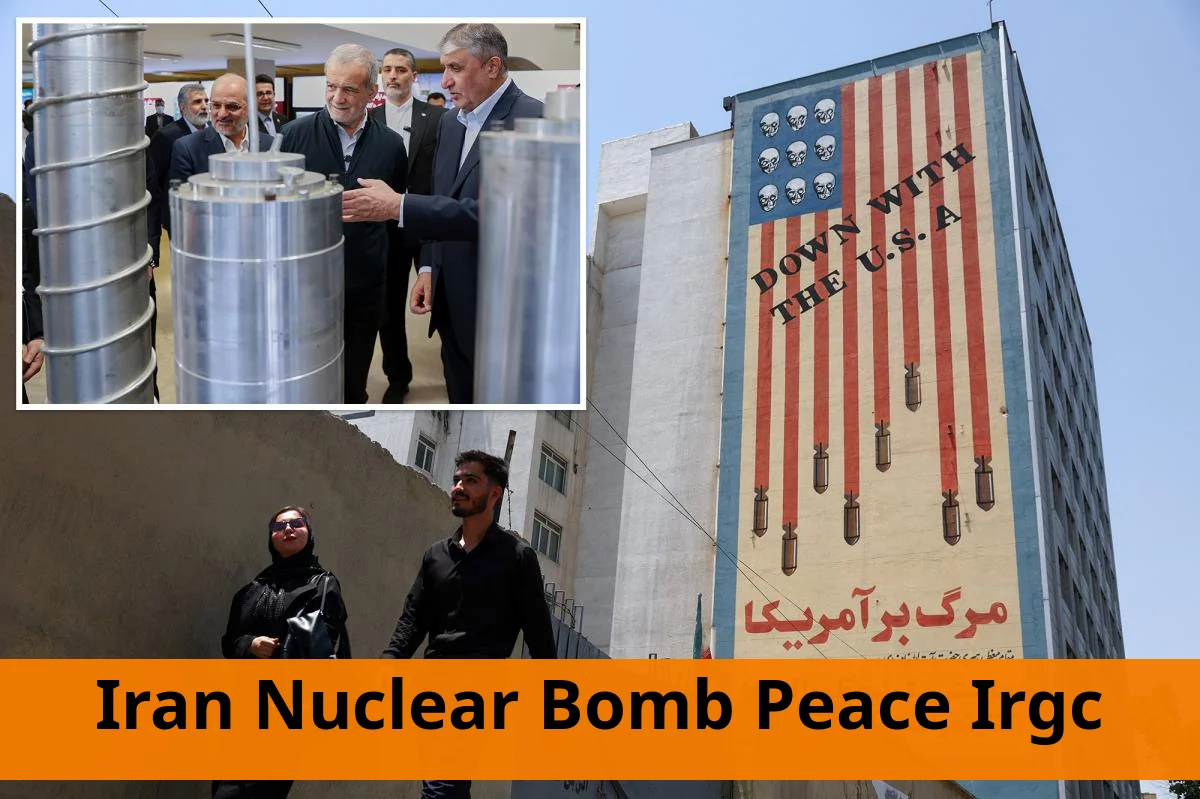
Iran must develop a nuclear bomb to secure “peace and calm,” according to an article published by Iranian state news outlet Fars on June 25, 2026. The report, linked to the Islamic Revolutionary Guard Corps, marks a significant shift despite recent commitments to the United States.
What happened
The article asserts that Iran has “no choice” but to pursue a nuclear weapon, claiming that negotiating from strength is essential. “To achieve the peace and calm that Iran needs, it must absolutely reach nuclear deterrence,” the piece states, suggesting that this would allow for resolution of other issues through negotiation.
It draws parallels between Iran’s current situation and China’s historical negotiations with the U.S. following its nuclear development. The report elaborates, “Nuclear deterrence means that you can reach a balance of power against America and Israel,” arguing that this approach helps to keep conflicts contained.
Why it matters
Iran’s nuclear ambitions are under intense scrutiny, especially in light of commitments made under the recent Memorandum of Understanding with the U.S. This agreement requires Iran to allow International Atomic Energy Agency (IAEA) inspectors access to its nuclear facilities, and prohibits the development of nuclear weapons.
The U.S. expects Iran to comply with the 20-year pause on nuclear enrichment, while concerns about the country’s enriched uranium stocks remain. IAEA Director-General Rafael Grossi emphasized the necessity of a rigorous verification system, stating, “Intention alone is not enough.”
Background
On May 20, 2026, Iran signed a Memorandum of Understanding with the U.S. that included commitments to allow IAEA inspectors back into its nuclear sites. This agreement came after a period of heightened tensions and calls for transparency in Iran’s nuclear activities, which had been suspended since the previous year.
Despite these commitments, the recent Fars article indicates a stark reversal in Iran’s narrative, reinforcing the suggestion that the country is more interested in fortifying its military stance than adhering strictly to diplomatic agreements.
What’s next
IAEA inspectors are expected to return in September to monitor Iran’s nuclear program, but they have yet to gain access to sites bombed by U.S. forces in 2025. The situation will likely develop further in the coming months as both Iran and the U.S. grapple with the implications of these conflicting narratives.
