


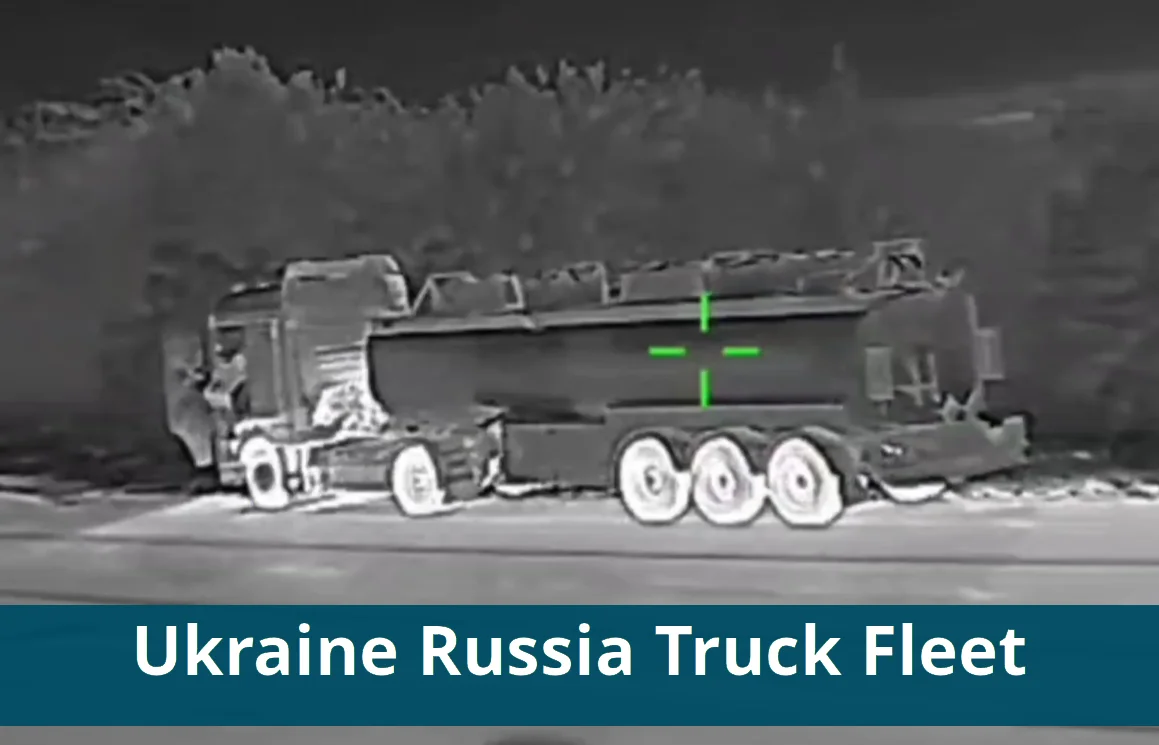
Ukraine is decimating Russia’s truck fleet, according to EUobserver. On June 29, 2026, the Ukrainian military successfully targeted multiple Russian supply vehicles, marking a significant increase in attacks as the war continues to unfold in Eastern Europe.
What happened
Ukrainian forces have reportedly intensified their drone campaign against Russian supply trucks, successfully hitting approximately 784 vehicles, according to French OSINT analyst Clément Molin. This unprecedented attack strategy has become more effective, with the average number of vehicles targeted rising from seven per day in May to 29 per day in late June.
“It shows that while the Russian army had enough time to adapt… it still lagged behind,” Molin noted. The focus of these strikes primarily affects military, cargo, and fuel trucks along critical transportation routes, especially near Melitopol and Mariupol.
“The southern front is essentially frozen for Russia,” Molin stated, indicating the impact of the Ukrainian campaign on Russian operations.
Why it matters
The ongoing drone strikes threaten Russia’s logistical capabilities, which are essential for sustaining military operations. By disrupting supply lines, Ukrainian forces aim to hinder Russia’s ability to mount offensives, potentially altering the balance of power in the conflict.
As of now, however, Russia has not found effective countermeasures. Clément Molin highlighted that, despite some attempts to deploy drones for interception, the vast area of operations makes it challenging to guard against these strikes.
Background
On May 20, 2026, Ukrainian forces launched an intensified campaign targeting Russian logistics. This strategic shift came as Russian military advances significantly slowed, capturing only 29 square kilometers in June, a stark 70 percent decrease compared to the previous year.
By late June, observers noted that Russian response tactics were proving ineffective, as the volume of Ukrainian strikes continued to rise, compounding pressure on Russian troop supplies.
What’s next
In the upcoming weeks, analysts expect continued increases in drone operations, focusing on critical supply routes. The situation remains fluid, with key Russian logistical hubs facing ongoing threats from Ukrainian forces, potentially impacting the broader conflict dynamics.
