


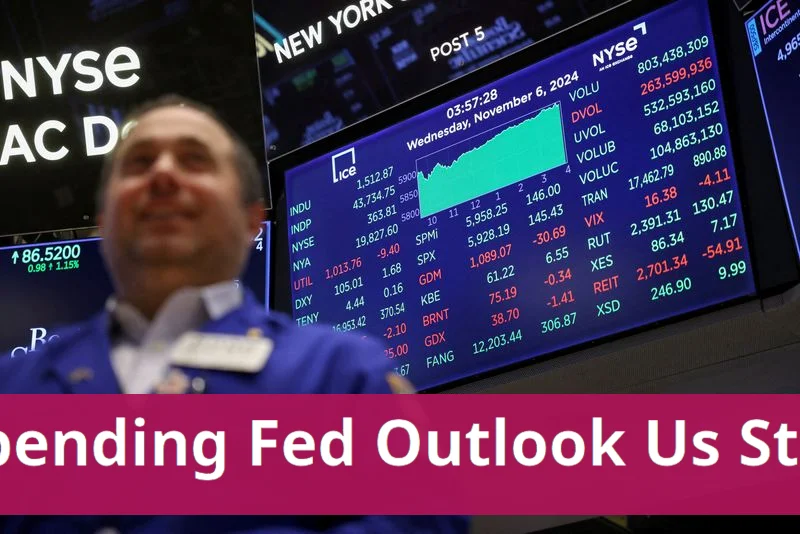
The U.S. stock market faces significant challenges in sustaining its rally during the second half of 2026, according to Reuters. Key factors include the sustainability of AI spending, high corporate earnings expectations, and the outlook under a new Federal Reserve chairman. With the S&P 500 and Nasdaq Composite experiencing recent pullbacks, uncertainty looms ahead.[2]
What happened
The U.S. stock market is under pressure as it navigates a series of challenges, including the viability of AI-related investments and expectations for corporate earnings. The S&P 500 has increased over 8% this year, while the Nasdaq Composite has gained 11%. However, recent signs of investor unease have led to declines in these indexes in June.
JPMorgan reports five major tech companies, including Microsoft and Amazon, expect to spend approximately $730 billion on AI this year. “It is certainly priced in to the market that the level of capex that we’re seeing will continue for the foreseeable future,” said Nicolas Janvier, head of North American equities at Columbia Threadneedle Investments.[3]
“The risk from the market’s perspective is the technicals are so crowded within those trades that anything that starts to sow some seeds of doubt in the narrative…,” said Garrett Melson, portfolio strategist with Natixis Investment Managers Solutions.
Why it matters
The stakes are high as investors seek to understand whether companies can meet strong profit expectations amidst significant market volatility. U.S. corporate earnings are projected to rise over 26% in 2026, according to LSEG IBES, but missing these targets could lead to a market setback. “The main question is delivery of the earnings that are expected out of the S&P 500, but also the tech sector,” noted David Bianco, Americas chief investment officer at DWS.
Background
On May 20, 2026, the market’s optimism surged following solid corporate earnings results from the first quarter, driving equity performance. However, pressure remained as uncertainties regarding interest rates and inflation under a new Federal Reserve chairman emerged. Kevin Warsh’s hawkish stance has raised concerns about future rate hikes.[1]
What’s next
Investors will keep a close eye on upcoming events, including major IPOs from AI companies like Anthropic and OpenAI, expected later this year. The midterm elections in November, which historically impact market volatility, will also be pivotal for investor sentiment.
