


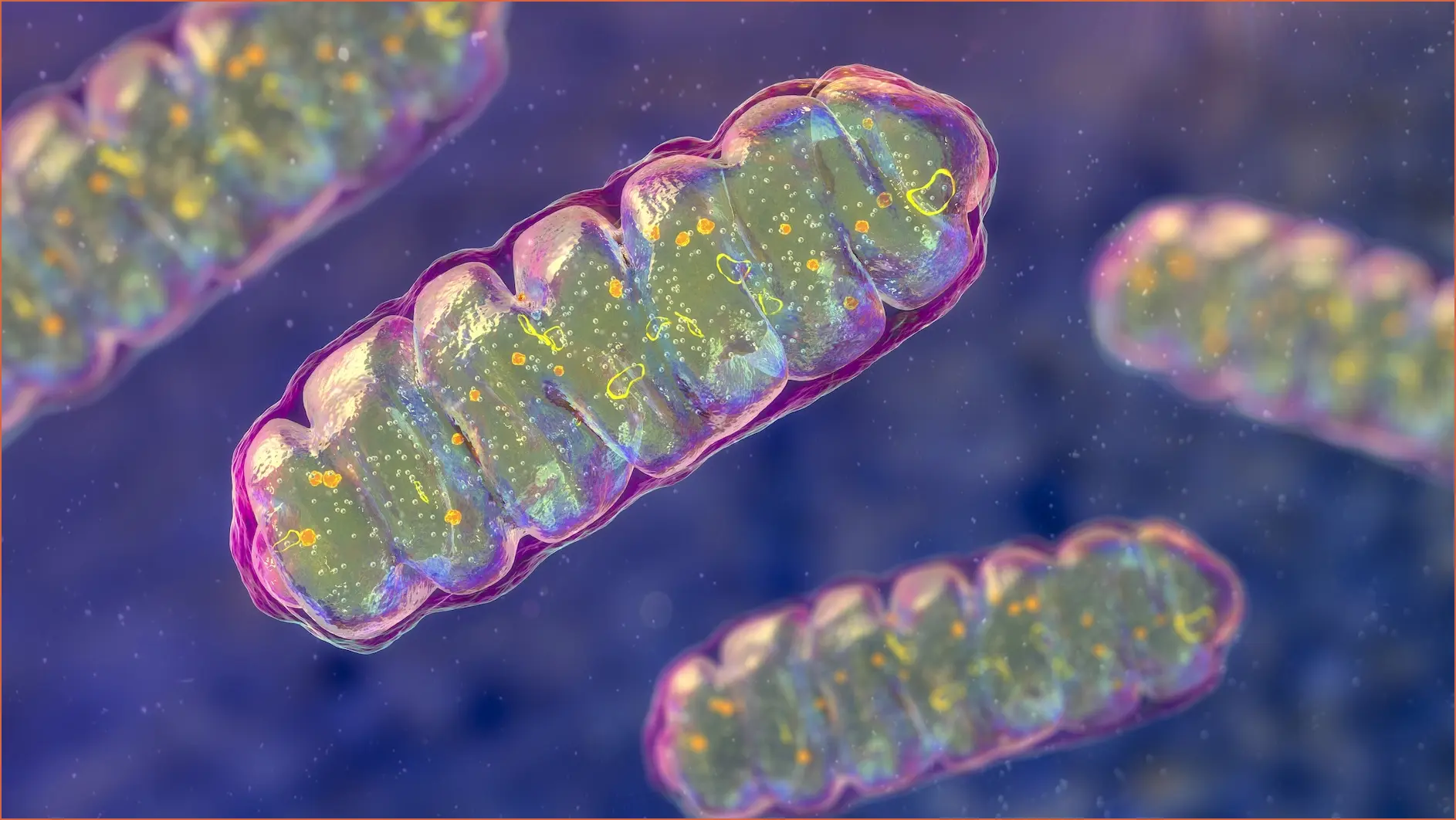
Mitochondria, often described as the cell’s powerhouses, contain distinctive DNA that can undergo mutations linked to various diseases, leading to energy deficiency in cells. Recently, researchers have discovered a groundbreaking molecule capable of reversing the detrimental effects of prevalent mutations associated with these genetic disorders.
“These mutations can lead to a variety of diseases for which we currently lack effective treatments,” noted Carlo Viscomi, an associate professor at the University of Padova’s Department of Biomedical Science and Padua Neuroscience Center in Italy.
“This paper represents a significant breakthrough,” Viscomi remarked, despite not being directly involved in the research. “It opens up incredible possibilities for addressing these conditions.” However, he mentioned a limitation in the study: it did not evaluate the molecule’s effectiveness in living organisms. Following this research, scientists have developed a similar molecule that is now undergoing human trials led by Pretzel Therapeutics, where some paper authors are involved.
Highly Variable Diseases
Published in April in Nature, the study concentrated on polymerase gamma-related diseases, or POLG-related diseases. These rare, genetic conditions affect an estimated 1 in 10,000 individuals globally, stemming from mutations in the POLG gene, essential for mitochondrial function.
The DNA within mitochondria requires replication as new mitochondria form, and it also needs repair due to damage from factors such as oxidative stress. However, approximately 300 different mutations in the POLG gene disrupt this replication and repair process, impairing the associated enzyme: polymerase gamma (POLG).
These mutations lead to the accumulation of harmful alterations in mitochondrial DNA, eventually resulting in various symptoms that differ greatly among individuals. “The variability is immense,” commented Viscomi. Conditions like Alpers-Huttenlocher syndrome, one of the most critical POLG disorders, typically manifests symptoms between ages 2 and 4, leading to severe complications and often resulting in death within four years.
Searching for a Promising Drug
The researchers hypothesized that a drug enhancing healthy POLG activity could also support mutant versions. They screened a library of 270,000 compounds to identify how they influenced healthy POLG activity. This process yielded a candidate molecule, which they chemically modified for improved efficacy, naming the refined version PZL-A.
The study emphasized just four POLG mutations rather than the entire set of 300, focusing on those present in about 70% of affected individuals. Using cryogenic electron microscopy, they detailed how PZL-A interacted with both healthy POLG and the targeted mutations. PZL-A binds in a specific pocket that remains unaffected by common disease-causing mutations, ultimately enhancing protein stability and DNA repair capacity.
Initial experiments demonstrated that cells treated with PZL-A recovered lost mitochondrial DNA significantly faster than untreated cells, occasionally matching the rate of healthy POLG. The research team intends to evaluate additional POLG mutations and is already testing a similar compound in clinical trials.
