


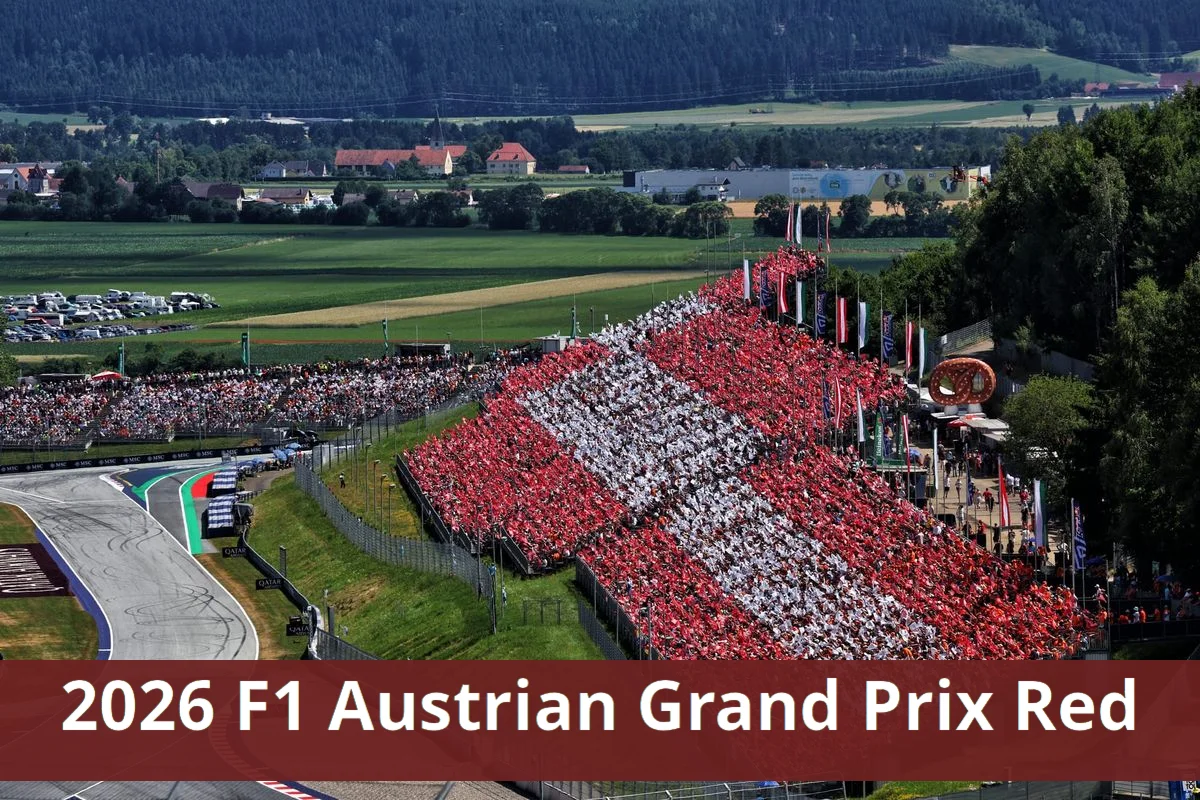
Formula 1’s newest challenge comes to light ahead of the Austrian Grand Prix, according to CR Today.
What happened
This weekend’s Austrian Grand Prix at the Red Bull Ring may see a shift in engine supremacy due to potential upgrades from Ferrari. These changes could play a crucial role in the team’s competition with Mercedes if approved in time. The high-altitude location adds an extra layer of complexity to the race.[2]
Situated at 678 meters above sea level, the Red Bull Ring presents unique challenges for turbo hybrid power units. Air density at this altitude is approximately 92% of sea level conditions, resulting in air that is 7.5-8.5% thinner. This decrease in density forces turbos to work harder, which could lead to increased turbo lag and reliability issues.[3]
“It is the first time the new PUs will be taken to a high altitude,” said Paul Williams, the chief trackside engineer at Williams.
Why it matters
The stakes are high for teams adapting to the demands of the Red Bull Ring. With a limit of just 6MJ usable in qualifying, teams must efficiently manage their energy resources while addressing the turbo challenges. The disappearance of the MGU-H component from 2026 regulations further complicates matters, as it used to assist turbochargers in overcoming lag.
As teams strategize, the balance between battery use and turbo performance may determine their success or failure on race day. The nuances of engine performance could lead to significant shifts in standings both in the front and midfield packs.
Background
On May 20, 2026, Formula 1 teams first previewed the new power units at lower altitude tracks, allowing them to gather initial performance data. However, they have yet to run these units in high-altitude conditions like those presented at the Red Bull Ring. The varying sizes of turbos across manufacturers further complicates the competitive landscape.[1]
Ferrari’s anticipated enhancements come amid ongoing rivalries, making the upcoming race crucial for both points and prestige. Each team faces pressure to maximize performance in unfamiliar terrain.
What’s next
The Austrian Grand Prix is set for May 28, 2026, where teams will face the unique challenges of racing their new power units at the Red Bull Ring, with potentially significant implications for the championship standings.
