


Two Words Reshape the NBA
Two terms have sparked intense discussions in the NBA:
Second apron.
Introduced in the 2023 collective bargaining agreement, the salary cap’s second apron affects high-spending teams by limiting their roster options once they surpass a financial threshold.
This means that teams pouring money into their rosters, acquiring All-Star players through trades or free agency, will face future roster challenges.
Consequences of Second Apron Rules
“The second apron rules prevent a team from gaining advantages in roster building,” remarked an Eastern Conference GM to ESPN. “Adding a high-salaried veteran in a trade reduces your roster flexibility.”
The events of 2023 and the subsequent summer illustrate the significant impact of this rule.
Recent Trades Under New Rules
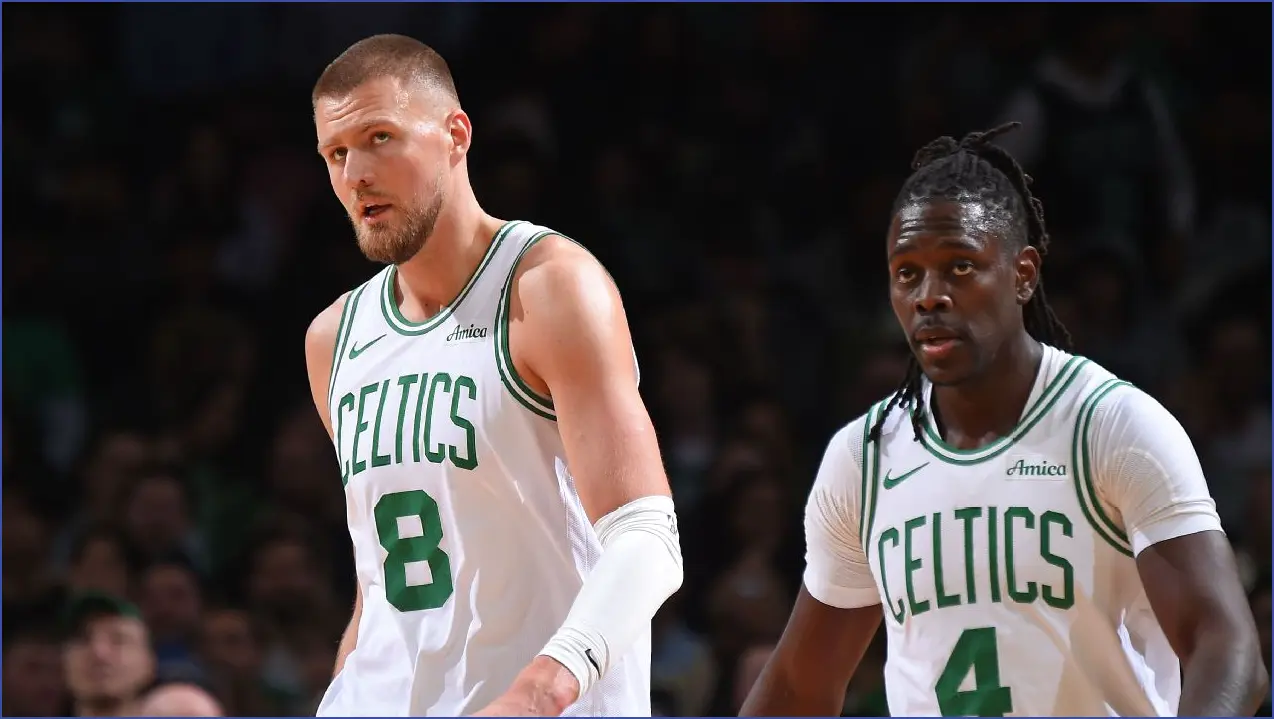
Before the second apron rules became strict, major trades such as those of Kevin Durant and Bradley Beal to the Phoenix Suns were possible. Recently, big names like Kristaps Porzingis and Jrue Holiday were traded to other teams.
However, those six trades would not have been permitted under current rules.
Impact on Team Strategies
Even two years later, teams face tough decisions. For instance, Boston’s management had to be strategic as player contracts such as those for Jayson Tatum and Jaylen Brown loom large, tightening their financial flexibility.
Meanwhile, the Timberwolves had to part ways with key players to avoid further penalties from the second apron.
Cavaliers and Future Outlook
The Cleveland Cavaliers also took a bold approach, re-signing players despite incurring a substantial tax bill, signaling their intent to remain competitive.
As the new season approaches, several franchises will have to reassess and possibly restructure their strategies while navigating the second apron limitations.
