


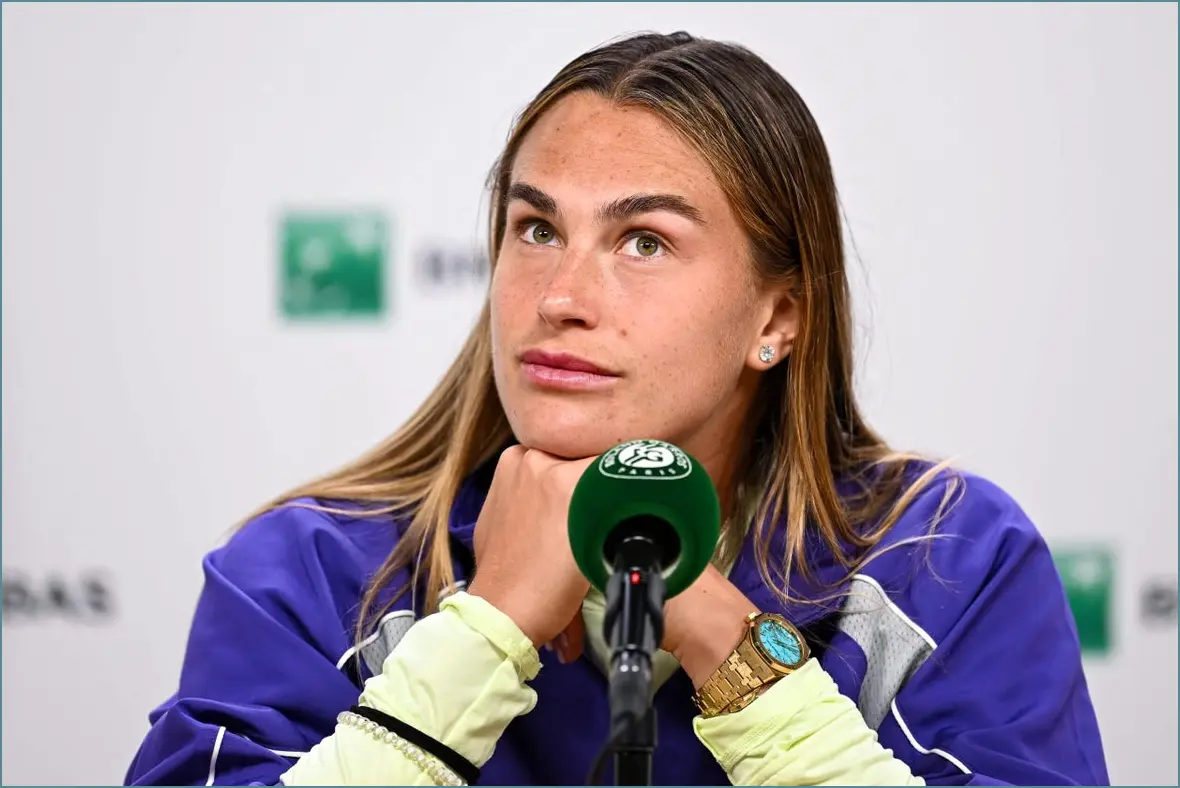
Leading Tennis Players’ Protest at French Open
A group of prominent tennis players is advocating for higher prize money and various reforms at the Grand Slam tournaments. They plan to stage a media protest during the French Open.
At the recent Italian Open, players including Aryna Sabalenka and Coco Gauff hinted at the possibility of boycotting one of tennis’s four major events. While they will not pursue a full boycott at Roland Garros, starting Sunday, May 24, players will leave their pre-tournament press conferences after 15 minutes, according to a source familiar with their plans.
Players will also decline interviews with the French Open media and the tournament’s primary broadcasters, TNT Sports and Eurosport. They will, however, conduct brief interviews after matches to avoid fines, as initially reported by The Guardian.
A spokesperson for the French Tennis Federation (FFT) expressed regret over the players’ decision, stating it affects all tournament stakeholders, including the media, broadcasters, and the broader tennis community. The FFT is willing to engage in direct dialogue about governance changes that would allow players a larger role in decision-making.
Meetings with representatives from Wimbledon and the U.S. Open are also anticipated as the tournament progresses. A spokesperson from the All England Club indicated they are open to constructive discussions with players.
The players advocate for increasing the average revenue allocated to prize money from 15 percent to 22 percent—aligning it with joint ATP and WTA events—citing that other U.S. sports leagues often allocate around 50 percent of their revenues to players. The French Open’s prize pool for 2026 has increased by 9.5 percent, totaling $72.3 million, but still falls below 22 percent of projected revenue.
Significance of Collective Action
Analysis from senior tennis writer Ava Wallace
This organized effort among players indicates that they can act collectively if motivated. Walking out of press events after 15 minutes delivers a strong message, raising awareness about the 15 percent revenue allocation for prize money. Such actions resonate through various media channels and could impact future negotiations.
