


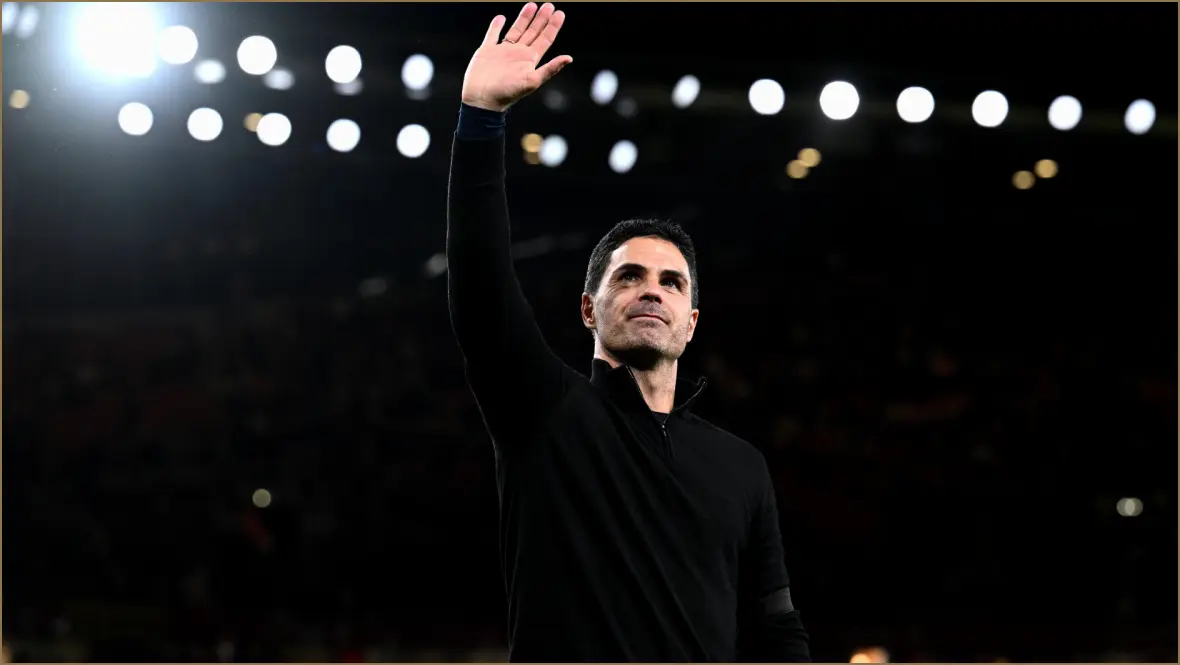
For the first time in a generation, Arsenal has claimed the title of champions in England. When they last lifted the Premier League trophy 22 years earlier, it seemed like the glory days for the Invincibles would never end. Having achieved two doubles in seven years and moving into a new stadium that would ultimately help close the financial gap with their main rival, Manchester United, it felt unimaginable that a generation could pass without major trophies returning to north London.
However, reality struck hard as years went by. Arsenal found themselves 15 years later, further away from success than ever. The club’s structure was disorganized, players were overvalued based on their performances, and the fans had become resigned to disappointment. This was the situation Mikel Arteta, then assistant to Pep Guardiola at Manchester City, confronted just days before he returned to the club where he had ended his playing career. The Emirates Stadium had once again become a fortress, but the memory of Arsenal’s decline was still fresh in Arteta’s mind since he picked them up in December 2019.
Reflections on Decline
“The image and feeling of the stadium, when half of it was empty, really hit me,” Arteta recalled last week. “I realized that without a solid project, we wouldn’t succeed.” His ability to turn things around marks Arteta’s greatest triumph. The Premier League title, won as Manchester City stumbled against Bournemouth on Tuesday, signifies this achievement.
Understanding the Challenge
To grasp the magnitude of Arteta’s success, one must acknowledge the depths from which Arsenal had to rise. In 2019, co-owner Josh Kroenke admitted he had developed a “rhinoceros hide” to handle the criticism directed at him amid the “We Care, Do You” movement, pushing for accountability beyond mere expenditure. After acquiring a controlling stake in Arsenal in 2018, the club faced a difficult decade, with Wenger becoming a polarizing figure and a coach past his prime.
The Rebuilding Process
Despite the challenges, two foundation pieces for the future emerged: Per Mertesacker and Arteta, who helped the club win three FA Cups over four years. Arteta, who previously showed signs of future managerial potential as captain, was handed a challenging situation when he took over. Arsenal sat 11th in the league, closer to relegation than the top four, with a bloated wage bill that exceeded that of successful teams.
Changes Under Arteta
Arteta had a clear vision and faced significant hurdles. His COVID-19 diagnosis in March 2020 marked a turning point for football in the UK. Despite initial struggles and only winning the FA Cup during his first year, management decided to stick with him, emphasizing their unwavering support for his leadership.
New Culture and Recruitment
Transforming the club required substantial financial investment. The Kroenkes supported Arteta’s acquisition of key players like Thomas Partey, contributing to a net spending surpassing $1 billion. Recruitment strategies improved under former sporting director Edu, and Arteta’s personal engagement played a crucial role in attracting talent. This approach allowed Arsenal to navigate significant injuries and maintain their position at the top of the league.
Future Prospects
As Arsenal aims to build on its recent success, winning the Champions League final against Paris Saint-Germain could mark them among the club’s greatest teams. With plans for continued improvement, including potential squad changes and new signings, the stage is set for Arsenal to make their mark in English football once more.
